






A New Orbit for Indian Space
For decades, ISRO has been the sole architect of India's journey to the stars, handling everything from designing and building rockets to launching and operating satellites. Now, a deliberate and significant change is underway. Guided by the Indian Space
Policy 2023, the nation is fostering a dynamic ecosystem where ISRO acts as a mentor and R&D powerhouse, while private companies take the reins of established, routine space operations. This isn't about privatising ISRO, as officials have clarified, but about expanding the entire Indian space economy. The goal is to grow India's share of the global space market from about 2% to a projected 8-10% by 2033, creating a sector estimated to be worth $44 billion. By offloading repetitive tasks, ISRO can dedicate its world-class scientific talent and resources to pushing the boundaries of space exploration.
What Are 'Mature' Technologies?
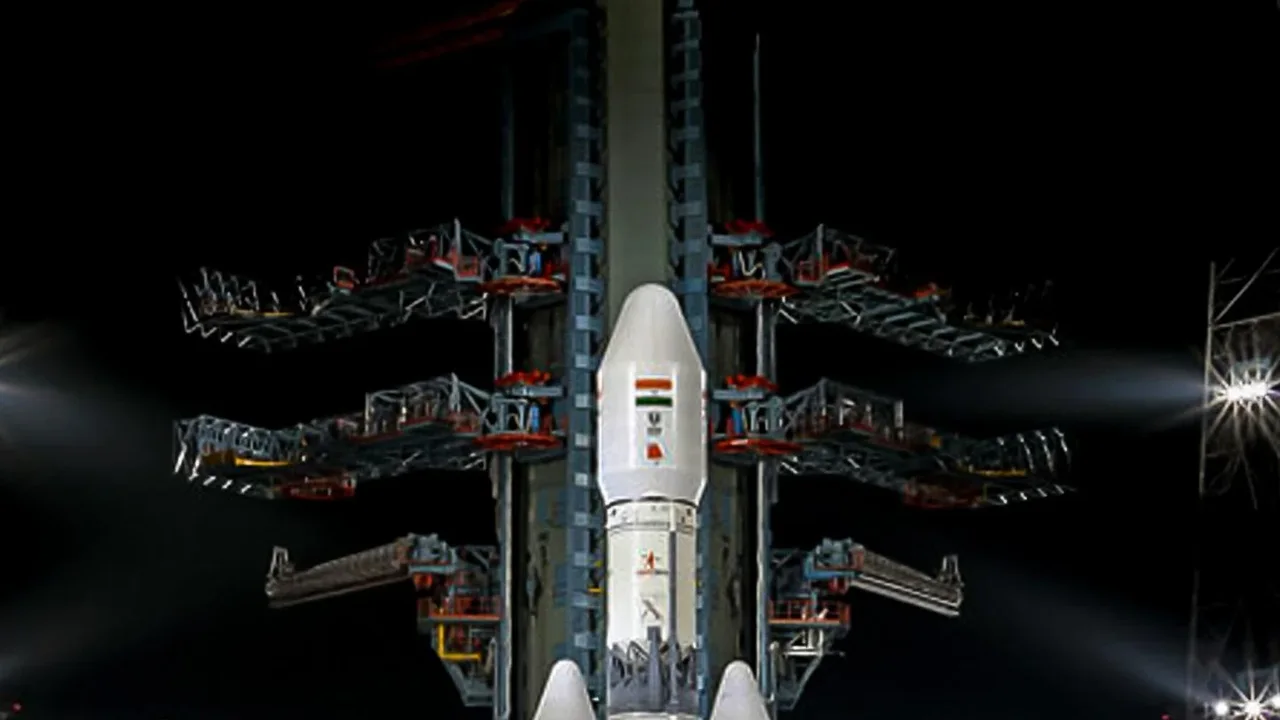
The technologies being transitioned to the private sector are those that ISRO has perfected over years of successful missions. The prime example is the production of the Polar Satellite Launch Vehicle (PSLV), ISRO's reliable workhorse rocket. Instead of ISRO manufacturing every PSLV, industrial consortia, such as one formed by Hindustan Aeronautics Limited (HAL) and Larsen & Toubro (L&T), are now taking over end-to-end production. Similarly, the Small Satellite Launch Vehicle (SSLV) technology has been fully transferred to HAL to manufacture and operate commercially. The plan is for the powerful Launch Vehicle Mark-3 (LVM3), which carried the Chandrayaan-3 mission, to also move to private production. This shift allows for serial production at a commercial pace, helping India meet its ambitious goal of conducting up to 50 launches a year—a target impossible for ISRO to achieve alone. Routine satellite manufacturing and ground station operations are other areas where private firms are stepping in.
Private Sector Steps Up
The liberalisation of the space sector has unleashed a wave of innovation from Indian startups and established engineering firms. Since the reforms began in 2020, over 200 space-tech startups have emerged, attracting significant global investment. Companies like Skyroot Aerospace and Agnikul Cosmos are developing their own launch vehicles, while firms such as Pixxel are building advanced earth observation satellites. This new ecosystem is facilitated by IN-SPACe (Indian National Space Promotion and Authorisation Centre), a single-window agency that promotes, authorises, and guides private space activities. The policy ensures that these companies can access ISRO's state-of-the-art facilities and expertise, creating a collaborative environment that accelerates growth and capability across the board. This surge in private participation is not just about building rockets; it's creating a robust, competitive, and export-oriented space manufacturing supply chain in India.
ISRO's Next Frontier
Freed from the demands of routine production, ISRO is now charting a course for the frontiers of science and exploration. The agency's new agenda is packed with complex, high-risk, high-reward missions. A top priority is the Gaganyaan programme, India's first human spaceflight mission, which aims to send Indian astronauts into orbit. Beyond that, ISRO is planning to build the Bharatiya Antariksh Station (BAS), India's own space station, by 2035. Interplanetary exploration is also a key focus, with upcoming missions to Venus (Shukrayaan) and a lunar polar exploration mission (LUPEX) in collaboration with Japan's space agency, JAXA. Furthermore, ISRO will lead research in next-generation technologies like advanced propulsion systems, space docking capabilities (already demonstrated with SPADEX), and reusable launch vehicles, ensuring India remains at the cutting edge of space technology.