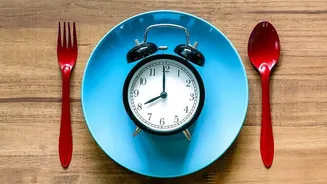








Understanding Your Internal Clock
At the heart of this concept is the circadian rhythm, our body's internal 24-hour clock that governs everything from our sleep-wake cycle to hormone release and metabolism. This master clock, located in the brain, is primarily influenced by light and darkness.
However, our organs, including those in our digestive system, have their own peripheral clocks. These are powerfully influenced by our meal times. When our eating patterns are erratic or out of sync with the natural day-night cycle—like with late-night meals or shift work—it can cause a kind of internal jet lag, disrupting these finely tuned processes.
The Gut's Daily Rhythm
Our digestive system isn't designed to be 'on' 24/7. It also follows a circadian rhythm. Processes like stomach emptying, nutrient absorption, and enzyme production are primed for activity during the day. When we eat, our body releases hormones like insulin to manage blood sugar. Research shows that our insulin sensitivity is highest in the morning and declines throughout the day, being least efficient at night. Eating late forces your digestive system to work overtime when it's naturally winding down for rest and repair, which can lead to issues like indigestion, bloating, and poor nutrient processing.
A Boost for Your Metabolism
Aligning meals with daylight hours can offer significant metabolic advantages. Studies have found that eating later in the day is associated with higher blood sugar levels and reduced fat burning, even when the meal is identical to one eaten earlier. One study noted that late eaters had peak blood sugar levels almost 20% higher and fat burning was reduced by about 10% compared to those who ate dinner earlier. By consuming most of our calories during the day, we allow our body to use that energy efficiently when our metabolism is most active. This approach, known as time-restricted eating, has been linked to better blood sugar control, lower blood pressure, and modest weight loss.
The Science of an Earlier Dinner
The practice of having an early dinner is a key component of circadian-aligned eating. Research suggests that finishing your last meal several hours before bedtime allows the body to complete digestion while your metabolism is still relatively active. This gives your system a long overnight fasting period to switch from burning glucose to burning stored fat. This metabolic switch is believed to contribute to many of the health benefits, including improved insulin sensitivity and reduced inflammation. Studies comparing an early dinner (around 6 p.m.) to a late one (around 9 or 10 p.m.) have consistently shown better metabolic outcomes for the early eaters.
How to Sync Your Meals with the Sun
Adopting this lifestyle doesn't have to be complicated. The goal is to create a consistent eating window that falls primarily within daylight hours. A good starting point is to aim for an eating window of 10 to 12 hours. For example, if you have your first meal at 8 a.m., try to have your last meal by 8 p.m. Try to make breakfast and lunch your larger meals, with a lighter dinner. Most importantly, listen to your body. If a strict schedule isn't feasible, simply shifting your dinner an hour or two earlier can still make a meaningful difference. The key is consistency and avoiding heavy meals or snacks right before you go to sleep.