





A Modern Quest for Authentic Health
The primary driver behind this culinary homecoming is a growing emphasis on health and wellness. As awareness about ultra-processed foods, hidden sugars, and chemical additives increases, many are seeking meals that are both nourishing and clean. Traditional
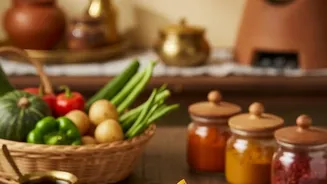
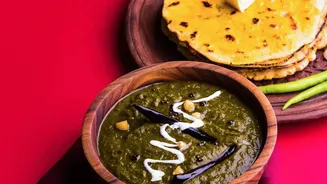
Indian culinary philosophy, with its emphasis on seasonality and balance, naturally aligns with these modern goals. Eating seasonally ensures that fruits and vegetables are consumed at their peak nutritional density, offering more vitamins and minerals than produce that has been transported over long distances or grown in artificial conditions. For instance, winter greens like sarson and methi, and vitamin C-rich fruits like amla and oranges, provide the specific nutrients needed to boost immunity during colder months. This approach is a world away from simply chasing imported 'superfoods', focusing instead on the time-tested benefits of local produce.
The Science of Seasonal Eating
The wisdom of eating with the seasons (Ritucharya in Ayurveda) is backed by science. Seasonal foods are often easier to digest and help the body adapt to climatic changes. Cooling foods with high water content, like watermelon and cucumber, are perfect for summer's heat, while winter brings energy-dense root vegetables and warming spices. This natural cycle also promotes gut health. Eating a varied diet of seasonal produce throughout the year helps to diversify the gut microbiome, which is crucial for a strong immune system. Traditional recipes, often featuring fermented foods like curd, dosa batter, and pickles, further support a healthy gut.
Nostalgia and a Return to Roots
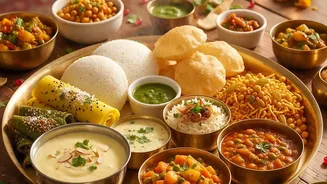
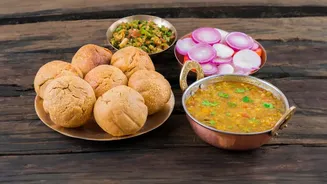
This movement is about more than just physical health; it's a cultural and emotional reconnection. In an increasingly globalised world, there is a powerful desire to reclaim local identity and preserve heritage. Cooking and sharing a family recipe—a grandmother's signature pickle or a festive dish passed down through generations—becomes an act of cultural continuity. These dishes, rooted in specific regions and family histories, offer a sense of comfort, memory, and belonging that mass-produced food cannot replicate. For many, particularly urban Indians navigating fast-paced lives, the slow, intentional act of cooking a traditional meal from scratch has become a form of self-care and a way to de-stress.
The Role of Social Media
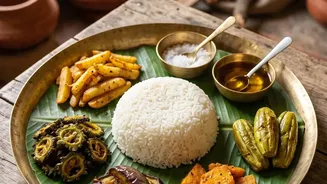
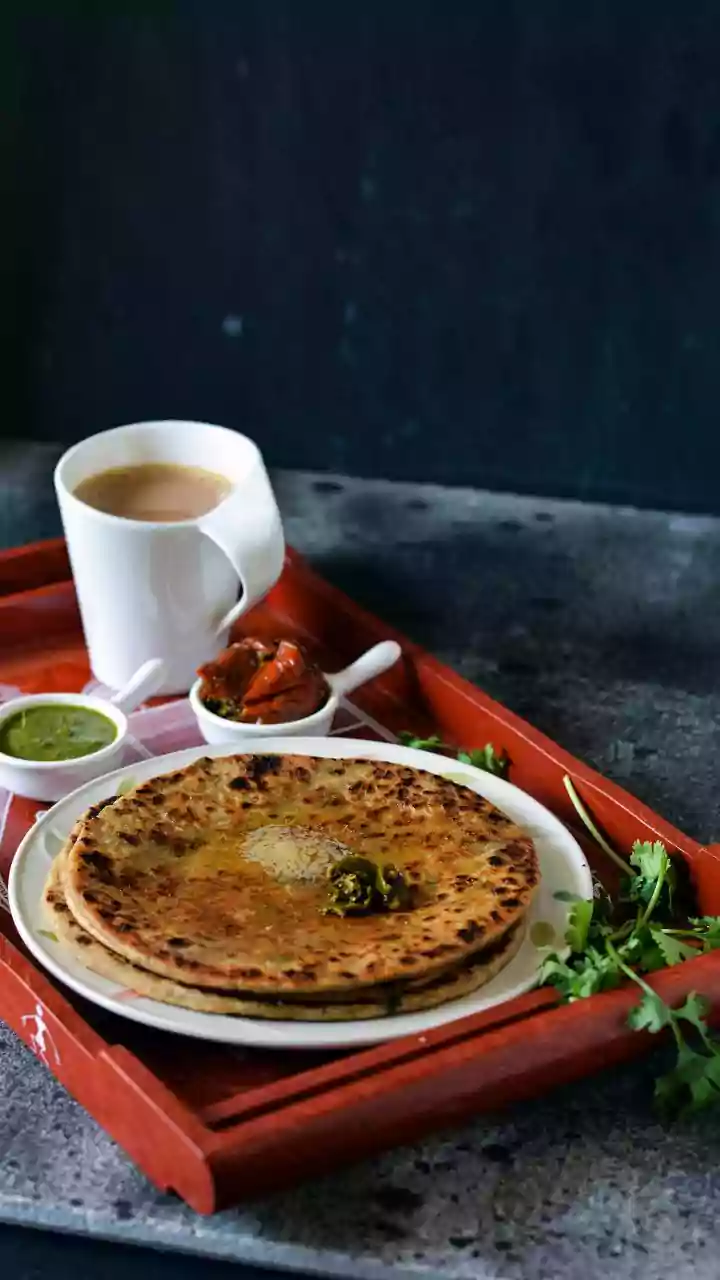
Ironically, the same digital platforms that once fuelled a culture of quick takeaways are now instrumental in this revival. Food bloggers, home chefs, and social media influencers are showcasing the richness of India's diverse culinary landscape, bringing lesser-known regional gems to a national audience. Instagram feeds and YouTube channels are filled with tutorials for everything from Uttarakhand's bedu roti to Kerala's avial. This digital sharing of knowledge has made regional cooking more accessible, encouraging a new generation to experiment with and appreciate the culinary traditions of their own and other communities.
Sustainability on the Plate
Choosing seasonal, regional food is also a conscious step towards sustainability. Eating locally reduces the carbon footprint associated with food transportation and cold storage. It supports local farmers and small-scale producers, strengthening local economies and preserving agricultural biodiversity. As consumers become more mindful of the environmental impact of their choices, the appeal of a food system that is local, seasonal, and less reliant on industrial processing grows stronger. This trend represents a shift from passive consumption to active, conscious participation in the food system.