


Verify High-Altitude Trekking Coverage
Standard travel insurance policies often have an altitude limit, frequently capping coverage at 3,000 metres. A November trip in the Himalayas, whether for trekking or sightseeing, can easily exceed this. You must check the fine print of your policy for its
maximum altitude coverage. For most Himalayan treks, you will need a policy that explicitly covers you for activities up to 5,000 or even 6,000 metres. Without this specific provision, you could find yourself uninsured for the most common risks at high elevations, such as Acute Mountain Sickness (AMS). Many trekking and tour operators now consider this type of insurance mandatory before they will even confirm your booking.
Confirm Helicopter Evacuation and Rescue
In the remote and rugged terrain of the Himalayas, a medical emergency can make a helicopter the only viable means of rescue. Standard insurance plans may not cover this, or may have very low limits. Helicopter evacuations are incredibly expensive, potentially costing anywhere from ₹1.5 lakh to over ₹5 lakh depending on the location and urgency. Your policy must explicitly state that it covers 'emergency medical evacuation' or 'helicopter rescue' up to a significant amount, with some operators recommending a minimum of USD 500,000 in coverage. Ensure this is for medical necessity, as policies won't cover an evacuation simply because you changed your mind.
Check for Adventure Sports Clauses
Many activities you might undertake, even if they seem like simple hiking, may be classified as 'adventure sports' by insurers. Standard policies often exclude activities like trekking on non-paved trails, climbing, or even skiing. If your itinerary includes anything beyond gentle walks, you'll likely need a policy with an 'adventure pack' or one from a specialized provider that lists your intended activities as covered. Review the definitions carefully; what an insurer calls 'mountaineering' might be different from your definition of a 'difficult trek'.
Understand Trip Cancellation and Interruption
The Himalayan weather in November is famously unpredictable. Sudden snowfall, storms, or landslides can lead to road closures, flight cancellations (especially for mountain airports like Lukla), and blocked trekking routes. Trip cancellation insurance protects your prepaid, non-refundable expenses like flights, permits, and guide fees if you can't start your trip. Trip interruption coverage is equally important, reimbursing you for the unused portion of your trip if you have to cut it short due to a covered reason, such as a medical emergency or severe weather event.
Review Medical Expense Limits
Beyond the cost of an evacuation, medical treatment itself in remote areas or after a transfer to a city hospital can be costly. High-altitude sickness, falls, or frostbite are real risks. A policy with a low medical expense limit is inadequate for the potential costs in the Himalayas. Look for a policy with a substantial minimum for emergency medical expenses; many adventure travel experts and trekking companies recommend coverage of at least USD 100,000 to USD 250,000 to handle serious medical situations without facing a massive bill.
Look Into Baggage and Gear Protection
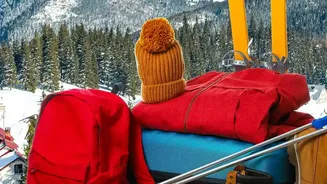
Travelling to the Himalayas for cold-weather activities requires specialized and often expensive gear, from thermal layers and down jackets to trekking poles and boots. Given the multiple transit points often involved in reaching remote trailheads, the risk of lost or delayed baggage is significant. Ensure your policy includes coverage for baggage loss, theft, or damage. This can help you replace essential items without derailing your trip or incurring major out-of-pocket costs.