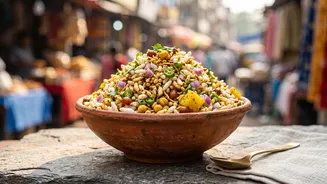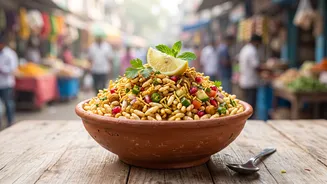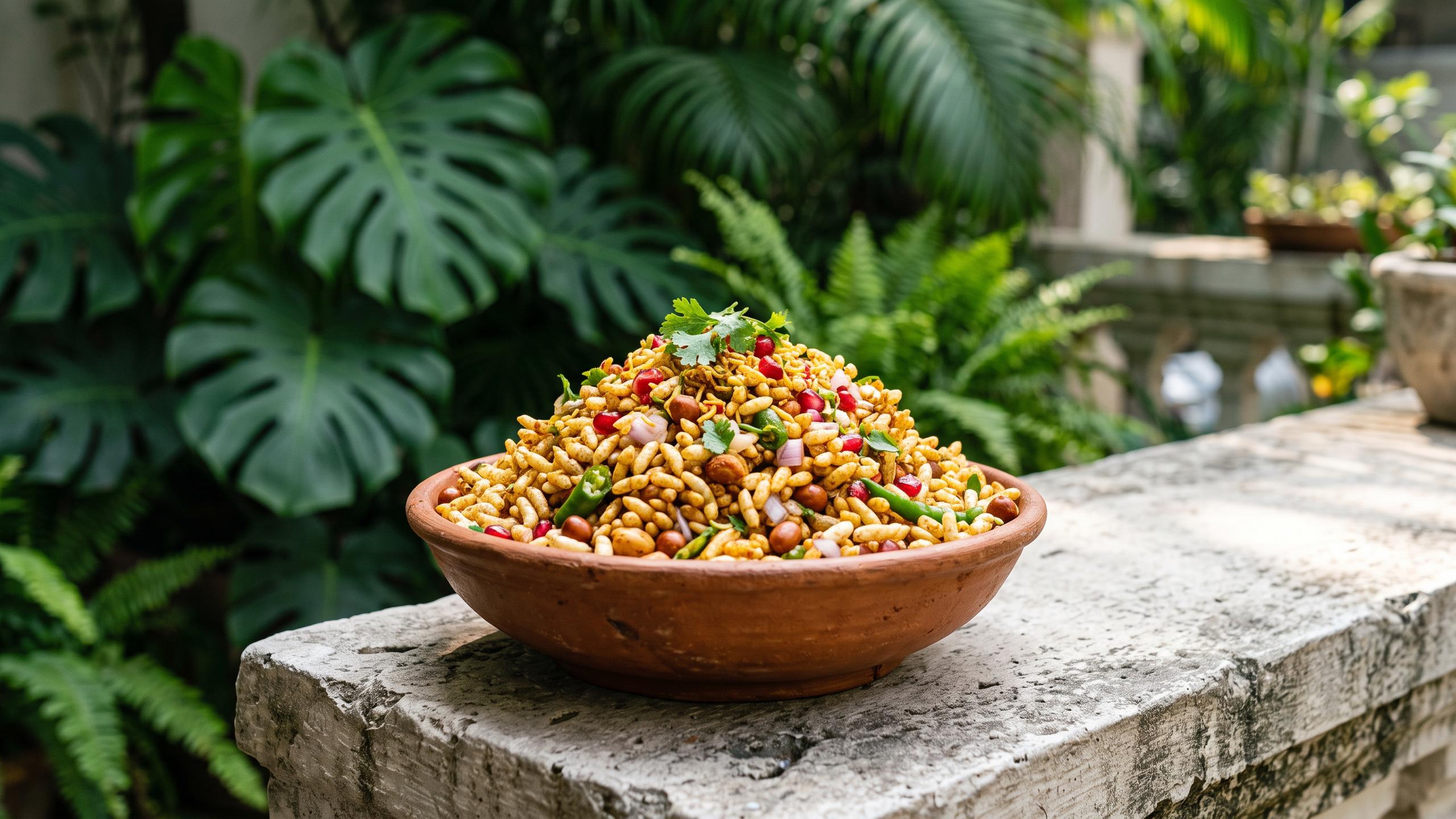



A beloved Bengali street snack, Jhalmuri is a riot of flavour and texture in every bite. This simple guide breaks down the essential ingredients you need to recreate this crunchy, tangy, and spicy delight in your own kitchen.
The Soul of the Snack
At its heart, Jhalmuri is
a celebration of simplicity, a quintessential street food from Kolkata that has won hearts across India. The name itself tells the story: 'Jhal' means spicy, and 'Muri' refers to puffed rice. Unlike its close cousin, Bhelpuri, which often features sweet and tangy chutneys, Jhalmuri leans into pungent and spicy notes, primarily driven by the sharp kick of raw mustard oil. It’s a snack that’s assembled in moments, often by vendors called 'Jhalmuriwallahs', who expertly toss the ingredients in a metal canister, creating a distinctive rattling sound that is part of the experience. It’s light yet satisfying, complex yet made from simple components, and captures the vibrant spirit of Bengali cuisine in a paper cone.
The Foundation: Puffed Rice (Muri)
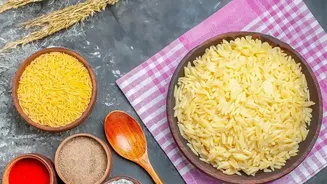
The entire dish is built upon 'muri', or puffed rice. This is the non-negotiable base that provides the light, airy crunch that defines Jhalmuri. While any puffed rice will work in a pinch, the ideal choice is the slightly thicker, more robust variety often sold in Indian grocery stores. The key is freshness; stale or soft puffed rice will result in a soggy, disappointing snack. The muri acts as a perfect vehicle, soaking up the flavours of the spices and mustard oil without losing its fundamental texture. It’s the canvas upon which the Jhalmuri masterpiece is painted.
The Fresh Elements: Vegetables
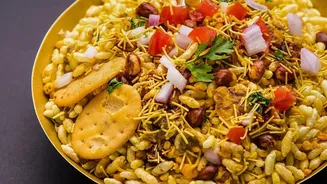
A handful of fresh, finely chopped vegetables adds moisture, crunch, and a burst of freshness to counter the dry ingredients. The most common and essential additions are red onion, tomatoes, and green chillies. The onion provides a pungent bite, the tomato adds a touch of juicy tang, and the green chillies deliver the signature heat. Many recipes also include boiled potatoes, cut into small cubes, which add a soft, starchy contrast. Freshly chopped coriander leaves are almost always used as a garnish, lending their bright, herbaceous aroma to the finished mix. Some vendors also add thin slices of cucumber for extra coolness and crunch.
The Flavour Engine: Spices and Mustard Oil
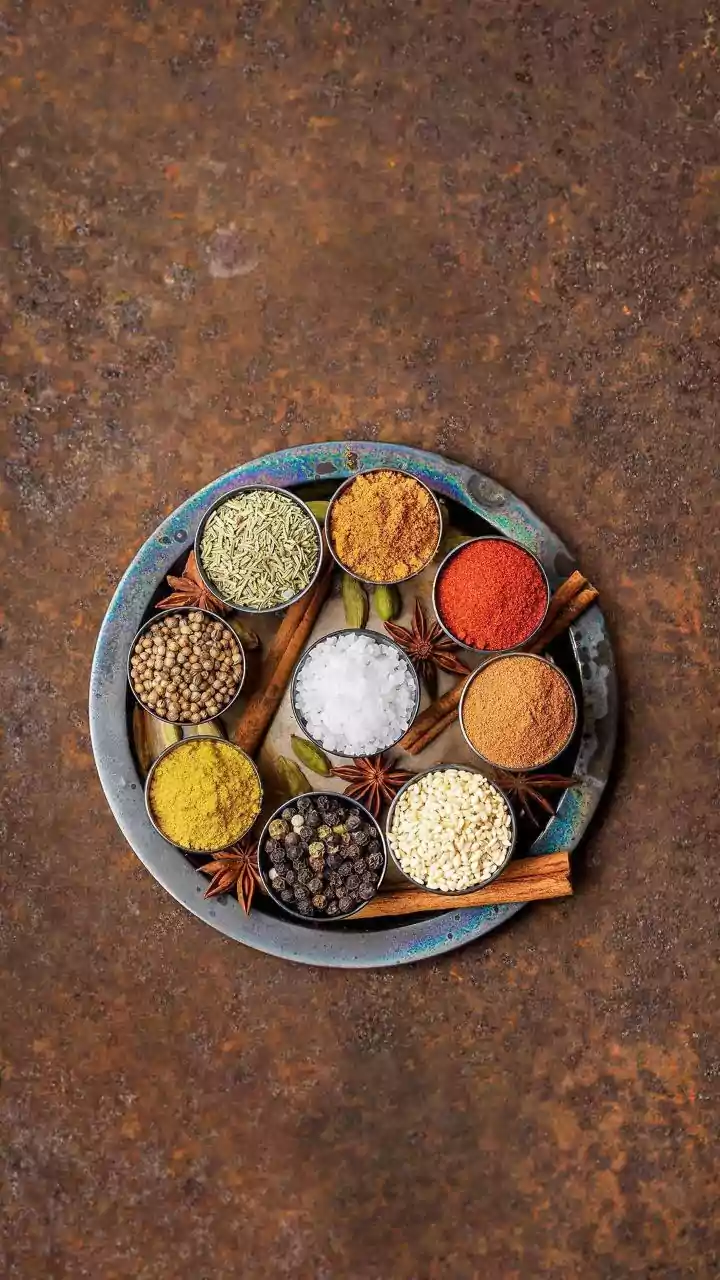
This is where Jhalmuri gets its unique and unforgettable personality. The single most important ingredient for achieving an authentic taste is raw mustard oil. Its sharp, pungent flavour is the soul of the dish. Do not substitute it with any other oil. Alongside the oil, a special blend of spices is used. This typically includes 'kala namak' (black salt) for its sulphurous, tangy flavour, roasted cumin powder for earthiness, and a pinch of red chilli powder for extra heat. Many vendors also use a proprietary 'Jhalmuri masala', which is often a secret blend but can be approximated with chaat masala, which provides a complex sweet, sour, and spicy profile.
The Textural Extras: Toppings and Garnish
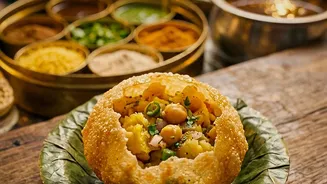
What makes Jhalmuri so addictive is its symphony of textures, and the toppings are crucial for this. The most common addition is 'sev', the fine, crispy chickpea flour noodles that add a savoury crunch. Roasted peanuts are another staple, providing a nutty flavour and a hard, satisfying bite. For an extra layer of texture, many people add crushed 'papri' or 'phuchka' (hollow, fried puri balls). Some regional variations might also include thin slices of dried coconut or soaked black chickpeas ('kala chana'). These extras are where you can get creative, but the combination of something crunchy like sev and something nutty like peanuts is classic for a reason.