
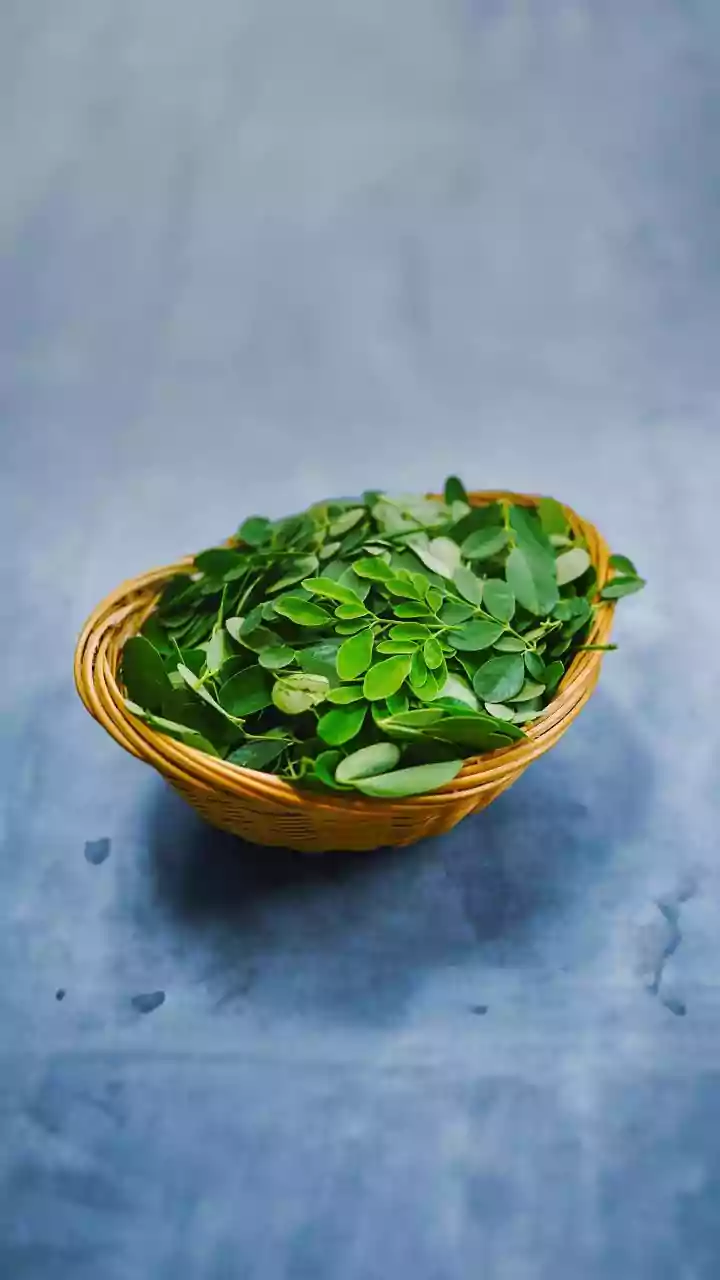




In our constant search for the next 'superfood', we often overlook the incredible, nutrient-dense options that have sustained communities for centuries. In Central India, a treasure trove of wild greens offers a lesson in clean, plant-based eating.
The Original Superfoods
Long
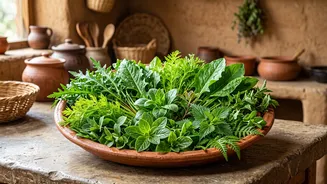
before wellness influencers and curated grocery aisles, nature's pantry provided all the nutrition humanity needed. For the tribal communities of Central India, particularly in states like Chhattisgarh and Madhya Pradesh, the practice of foraging for wild edible plants, or 'bhaji', is a tradition steeped in history. This isn't about chasing trends; it's about a deep, inherited knowledge of the local ecosystem. These communities have for generations identified and consumed a wide variety of leafy greens that grow wild in forests, fields, and even along roadsides. This practice has ensured their food security and provided a diverse diet rich in essential nutrients, a concept modern nutrition is only now catching up with.
A Taste of the Wild
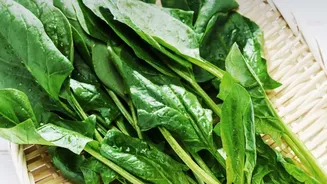
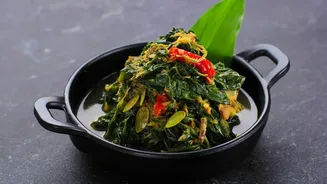
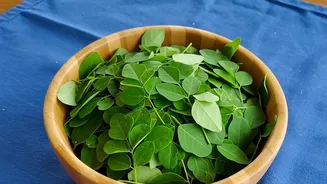
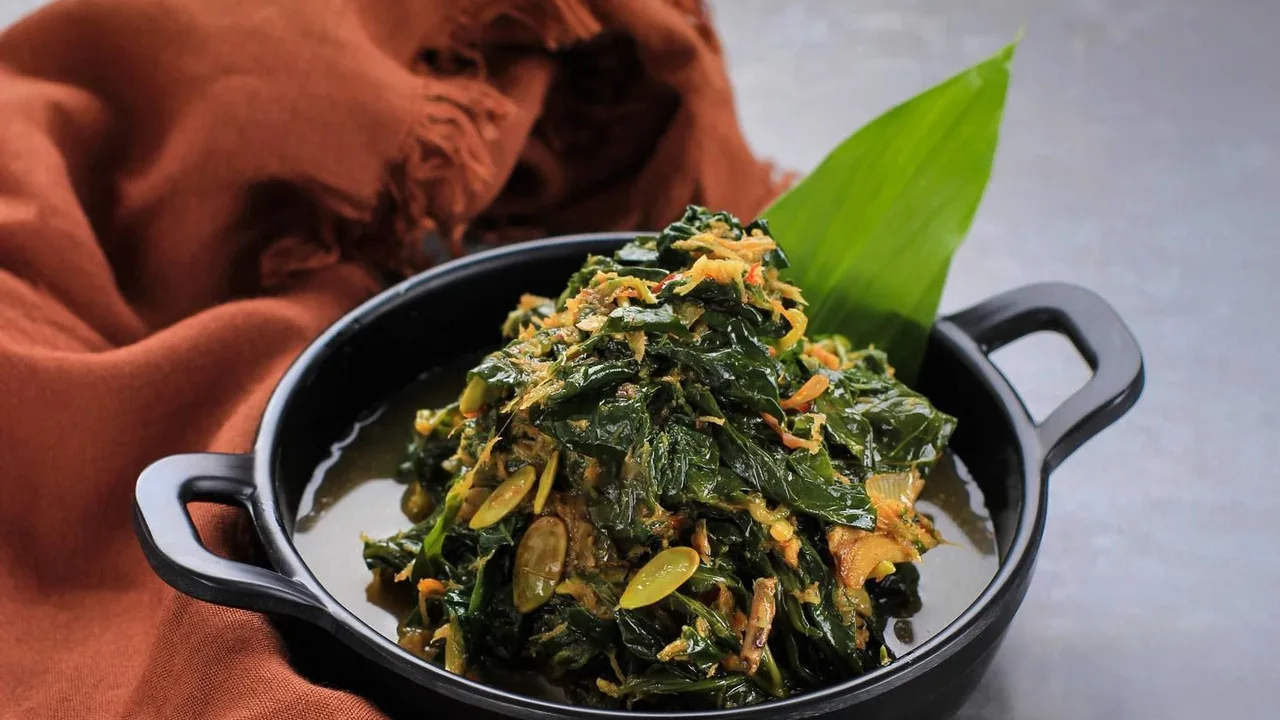
Among the dozens of edible greens, a few stand out for their prevalence and nutritional might. One of the most common is Bathua (Chenopodium album), also known as lamb's quarters. Often mistaken for a simple weed, Bathua is a winter green that is traditionally cooked into saags or added to dals. It has a rich, earthy flavour. Another popular green is 'Lal Sag' or Amaranth leaves (Amaranthus gangeticus), known for its vibrant red and green varieties. Amaranth leaves are tender with a slightly sweet taste and are used in stir-fries and simple vegetable preparations. These plants, and many others like 'Khatta Sag' and 'Garundi', are not cultivated but harvested sustainably from the wild, making them a truly organic and local food source.
A Nutritional Powerhouse
What makes these foraged greens so special is their incredible nutritional density, often surpassing that of commercially cultivated vegetables. Since these plants have to survive in the wild without human intervention, they are packed with protective compounds. Bathua, for instance, is a remarkable source of riboflavin (a B vitamin), calcium, potassium, and vitamin C. Just 100 grams of Bathua can provide a significant portion of your daily calcium needs. Amaranth leaves are nutritional giants in their own right, exceptionally rich in Vitamin A, Vitamin C, Vitamin K, folate, iron, magnesium, and protein. They contain all essential amino acids, including lysine, which is often lacking in other plant-based diets. These greens are also loaded with antioxidants like flavonoids and polyphenols, which help combat cellular damage and reduce inflammation.
More Than Just Food
The tradition of foraging is about more than just filling a plate; it's a practice of ecological harmony. The tribal communities who rely on these plants possess a sophisticated understanding of seasonal cycles and sustainable harvesting. They know when to pick the leaves and how much to leave behind to ensure the plant continues to thrive. This tradition preserves biodiversity by valuing a wide range of plant species, not just a handful of monoculture crops. In an era of industrial agriculture that often relies on chemical inputs, these wild greens are a testament to a cleaner, more natural way of eating that is free from pesticides and fertilisers. This knowledge is a vital cultural heritage, passed down through generations, connecting people directly to their land.
Lessons for the Modern Diner
While you may not find Bathua or 'Khatta Sag' in your local supermarket, the philosophy behind Central India's foraged greens holds valuable lessons for health-conscious individuals everywhere. It encourages us to broaden our definition of what is edible and to appreciate the nutritional potential of the plants that grow around us. It's a powerful reminder that some of the most potent nutrition comes not from expensive, imported powders but from humble, resilient plants. This tradition champions a diet that is local, seasonal, and diverse—principles that are at the very heart of clean eating and sustainable living. By supporting biodiversity and appreciating traditional food knowledge, we can enrich our own diets and contribute to a healthier food system for everyone.