



What Is the Summer Solstice?
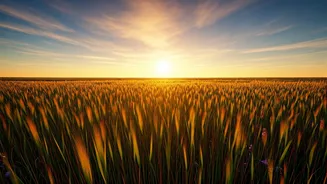
At its simplest, the summer solstice is the day with the most daylight hours and the shortest night of the year. The word 'solstice' comes from the Latin words 'sol' (sun) and 'stitium' (to stand still). On this day, the sun appears to reach its highest
point in the sky for the year. From our perspective on Earth, it seems to pause for a moment before beginning its slow journey south again. For everyone living in the Northern Hemisphere, which includes all of India, this event marks the official beginning of summer from an astronomical standpoint, even though our weather might have felt summer-like for months.
The Science Behind the Sunlight
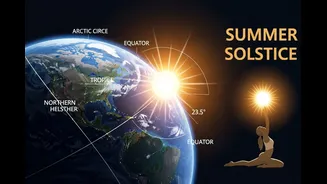
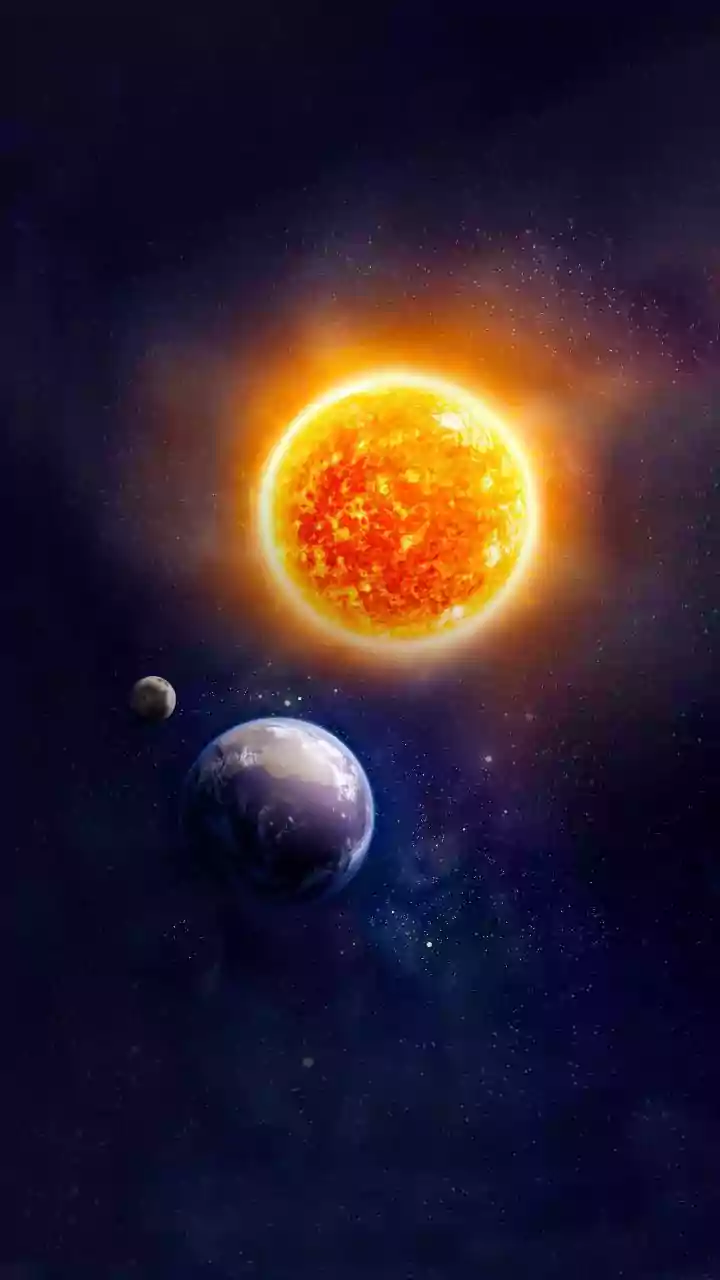
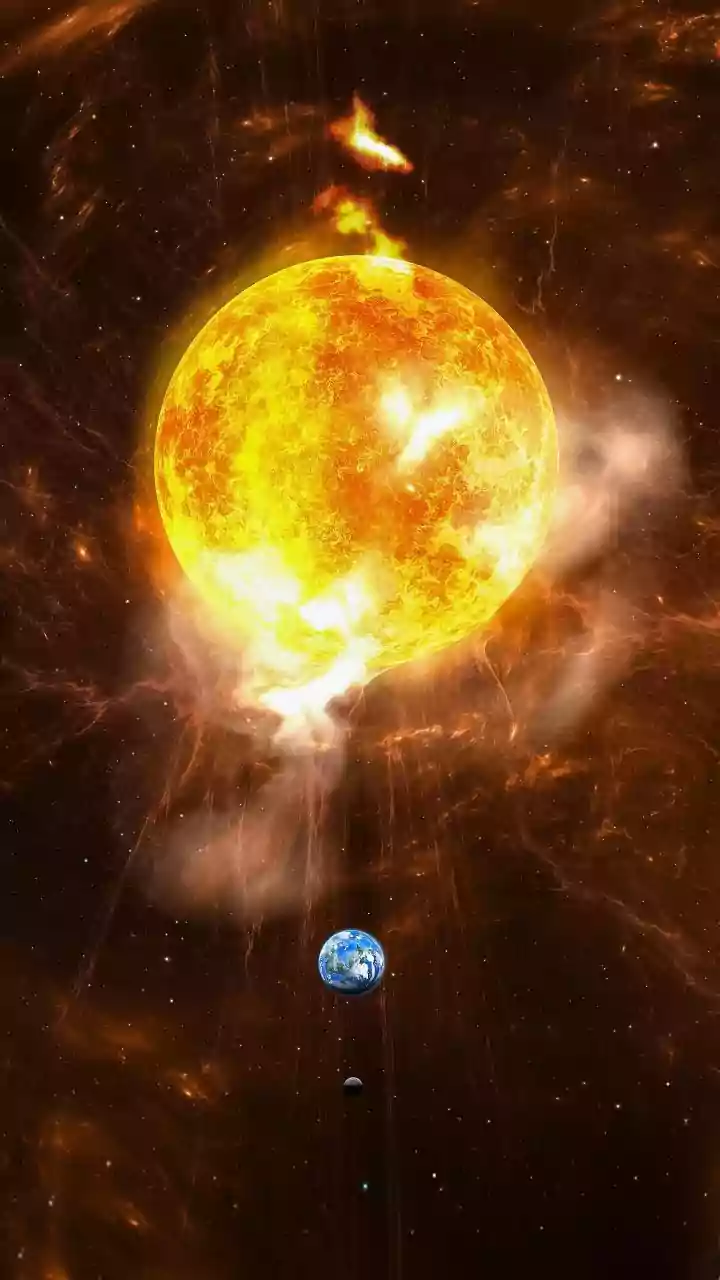
The magic of the solstice isn't about the sun itself doing anything different. It’s all about our planet's tilt. Earth spins on an axis that is tilted at approximately 23.5 degrees. As we orbit the sun throughout the year, this tilt means that different parts of the planet receive more direct sunlight at different times. During the June solstice, the Northern Hemisphere is tilted most directly towards the sun. This exposure means the sun’s rays hit our part of the world at a more direct angle and for a longer period, resulting in the extended daylight we experience. The North Pole is bathed in 24-hour sunlight, while the South Pole is plunged into 24-hour darkness. It's a beautiful demonstration of celestial mechanics playing out in our daily lives.
How India Experiences the Solstice
The experience of the longest day isn't uniform across India. The length of the day depends on your latitude, or how far north you are. A key geographical line, the Tropic of Cancer, passes directly through India, cutting across states like Gujarat, Rajasthan, Madhya Pradesh, Chhattisgarh, Jharkhand, West Bengal, Tripura, and Mizoram. On the summer solstice, the sun is directly overhead at noon for anyone standing on this line. Consequently, cities farther north of this line experience an even longer day than those in the south. For example, Leh in Ladakh might get close to 15 hours of daylight, while Kanyakumari at the southern tip might only get around 13 hours. This variation highlights the sheer geographical diversity of our country, all governed by the same astronomical principle.
More Than Just a Long Day
For centuries, cultures around the world have celebrated the summer solstice with festivals and rituals. In India, the day has taken on a modern, global significance. In 2014, Prime Minister Narendra Modi proposed to the UN that June 21 be declared International Day of Yoga. The date was chosen deliberately because the summer solstice is a day of great importance in many parts of the world and holds special significance in the yogic tradition, where it is seen as a time of new beginnings and consciousness. The first guru, or Adiyogi, is said to have begun imparting the knowledge of yoga on this day. Since then, June 21 has become a day where millions across India and the globe participate in mass yoga sessions, linking an ancient practice to a universal astronomical event.
What Happens After June 21?
While we celebrate the peak of sunlight, the solstice is also a turning point. After this day, the sun begins its apparent journey southward, and the days in the Northern Hemisphere will gradually, almost imperceptibly, start getting shorter. The amount of daylight will decrease bit by bit each day, leading us towards the autumnal equinox in September (when day and night are roughly equal) and eventually to the winter solstice in December—the shortest day of the year. So, in a way, the longest day of the year is also the moment that marks the beginning of the slow return to darkness. It’s a reminder of the constant, cyclical rhythm of our planet and the changing of the seasons.