

What Exactly Is This 'Elixir'?
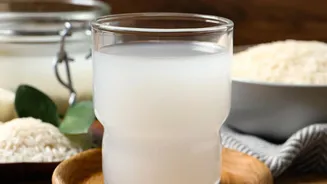
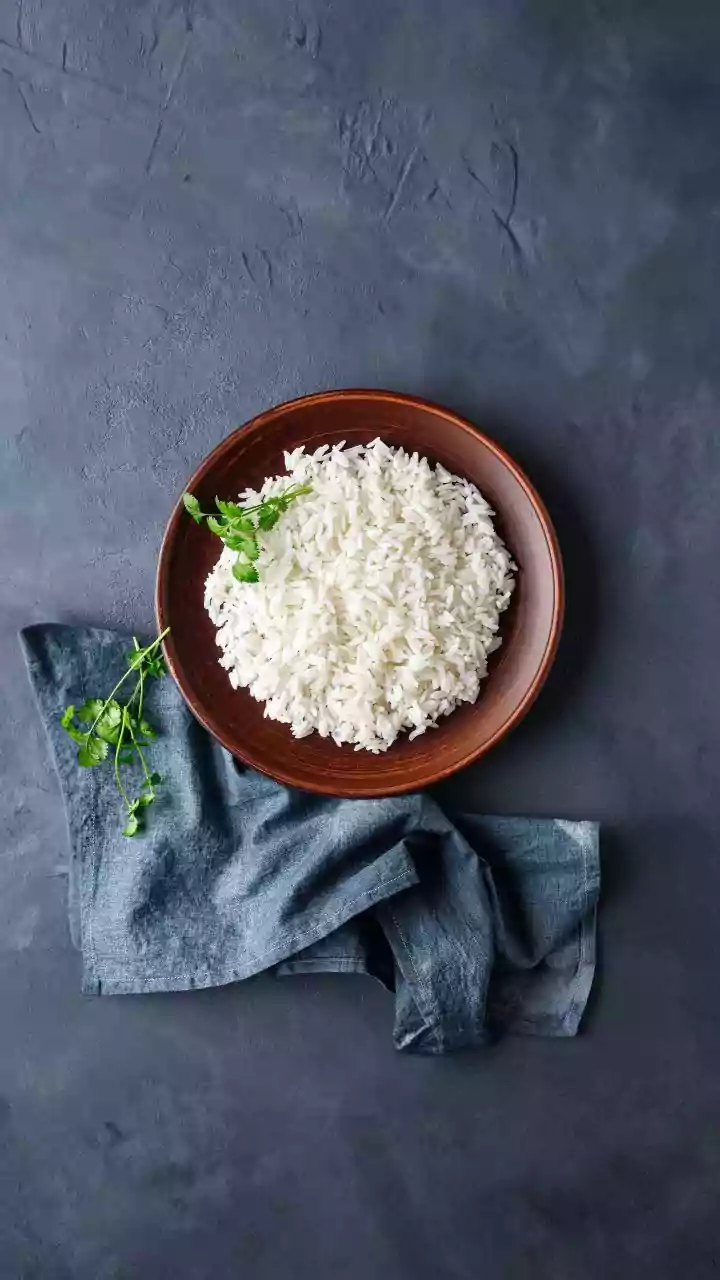
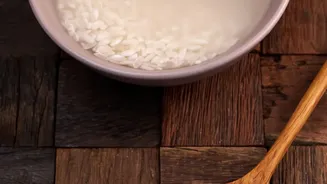
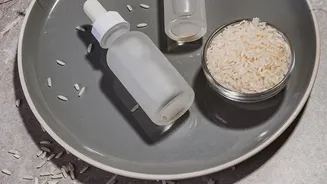
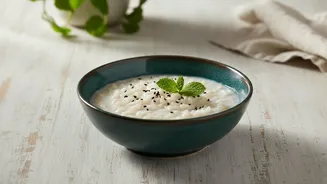
Fermented rice water is simply the starchy liquid left over after rinsing or boiling rice, which is then allowed to sit at room temperature for a day or two. During this time, microorganisms like bacteria and yeast begin to break down the carbohydrates,
creating a slightly tangy, probiotic-rich beverage. In India, similar preparations like Kanji or Pakhala have been consumed for generations, often as a cooling summer drink or a light, nourishing meal for farmers to provide energy for a day of hard labour. The process is straightforward and turns a humble kitchen byproduct into something with a rich cultural history.
A Tradition with Deep Roots
Long before it was a social media trend, fermented rice water was a staple in many parts of Asia. In China, Japan, and Southeast Asia, different versions have been used for centuries, not just for consumption but also for beauty rituals. For example, the Yao women in China are famous for their incredibly long and healthy hair, which they attribute to washing it with fermented rice water. In an agricultural context, it was valued as a simple way to get hydration and nutrients. It wasn't seen as a magical cure-all, but as a practical and nourishing part of daily life, often providing a cooling effect and aiding digestion in hot climates.
The Modern Wellness Claims
Today's wellness influencers have rebranded this traditional drink as a powerful health tonic. The claims are wide-ranging and impressive. They suggest that drinking fermented rice water can transform your gut health by populating it with beneficial bacteria, leading to reduced bloating and improved digestion. Other purported benefits include boosted immunity, clearer skin, and a surge in energy levels. Some even connect it to anti-aging, citing the antioxidants produced during fermentation. The narrative is compelling: a simple, natural, and ancient secret to modern wellness, available right in your own kitchen.
The Science of Fermentation
When rice water ferments, a fascinating biological process unfolds. Naturally present microbes, especially Lactic Acid Bacteria (LAB), consume the starches in the water. This process creates probiotics—live beneficial bacteria—and postbiotics, which are helpful byproducts like organic acids and enzymes. Probiotics are known to support a healthy gut microbiome, which is crucial for everything from digestion to immune function. Studies on fermented rice beverages have shown they can contain various probiotic strains, like Lactobacillus. In essence, fermentation transforms the simple starchy water into a more complex, bioactive fluid.
So, Should You Believe the Hype?
Here's where tradition and trends need a reality check. While fermented foods are indeed beneficial for gut health, the specific, grand claims about fermented rice water are not strongly supported by large-scale scientific studies on humans. The drink does contain probiotics, which can aid digestion and reduce inflammation. However, it is not a cure for chronic gut conditions. Many of the benefits, such as improved skin and hair, are largely based on traditional use and anecdotal evidence rather than robust clinical trials. Nutritionists point out that while it can be a hydrating and lightly nutritious drink, especially helpful during illness or dehydration, it's not a magic potion. It supports health but doesn't replace a balanced diet.