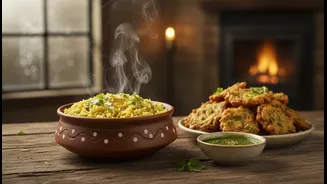







An Almost Pavlovian Response
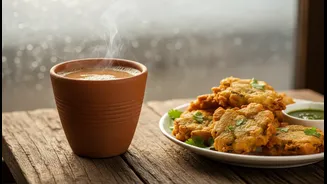
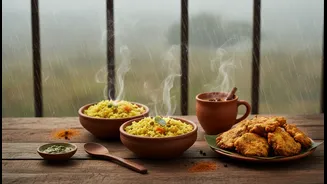
For millions, the connection between rain and this specific snack pairing is immediate and non-negotiable. The sound of rain, the cool air, and the earthy smell of petrichor trigger a powerful nostalgic response. This sensory experience is deeply wired
into the Indian cultural psyche, bringing back memories of childhood, family gatherings, and the simple joy of finding shelter from a downpour. Over years of tradition, our brains have learned to associate the monsoon with the comfort of this warm, crunchy, and savoury combination, making the craving feel less like a choice and more like a reflex.
The Science of Comfort Cravings
There's a scientific explanation for why we yearn for fried, carbohydrate-rich foods when the weather is gloomy. The lack of sunlight during overcast days can lead to a dip in serotonin, the body's natural mood-boosting chemical. To compensate, our brains crave carbohydrates, which can provide a quick, albeit temporary, serotonin lift. Furthermore, the cool, damp conditions of the monsoon make our bodies seek warmth. Hot and calorie-dense foods like pakoras provide a feeling of internal heat and satiety. The crunchy texture of fried food also offers a satisfying contrast to the damp, sluggish feeling of a humid day.
A Ritual Steeped in Tradition
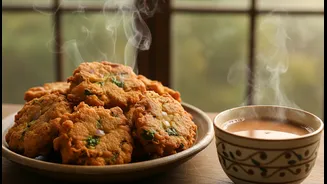
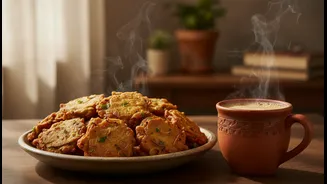
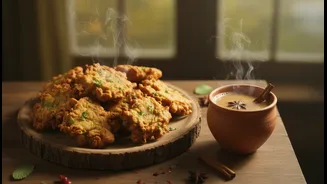
While the craving feels ancient, the specific pairing of masala chai and pakoras is a relatively modern ritual, solidifying its place in Indian culture during the 20th century. Pakoras themselves, derived from the Sanskrit word 'pakvavata' (cooked lump), have ancient roots, with early variations mentioned in texts from over a thousand years ago. Tea, introduced by the British, was adapted into the spiced, milky masala chai that is beloved today. The pairing became a cultural phenomenon post-independence, popularized by street food culture, college canteens, and its romantic portrayal in Bollywood films. This combination is more than just a snack; it's a shared social ritual that brings friends and families together to celebrate the rain.
An Ayurvedic Perspective on Monsoon Eating
Traditional Ayurvedic wisdom also offers insight into our monsoon cravings, though with a word of caution. Ayurveda considers the rainy season, or 'Varsha Ritu', a time when the digestive fire ('Agni') is naturally weaker. The environment is damp and heavy, which can aggravate the 'Vata' dosha (the energy of air and space), leading to digestive issues. While Ayurveda generally advises against excessive fried and heavy foods during this time, it does recommend warm, cooked meals and digestive spices like ginger, turmeric, and cumin — all staples in both chai and pakora recipes. Spices like ginger in chai are believed to support digestion and provide warmth. Thus, while overindulgence is discouraged, the core ingredients of the snack align with the seasonal need for warm, spiced foods to balance the body against the cold, damp weather.
More Than Just Food: An Emotional Experience
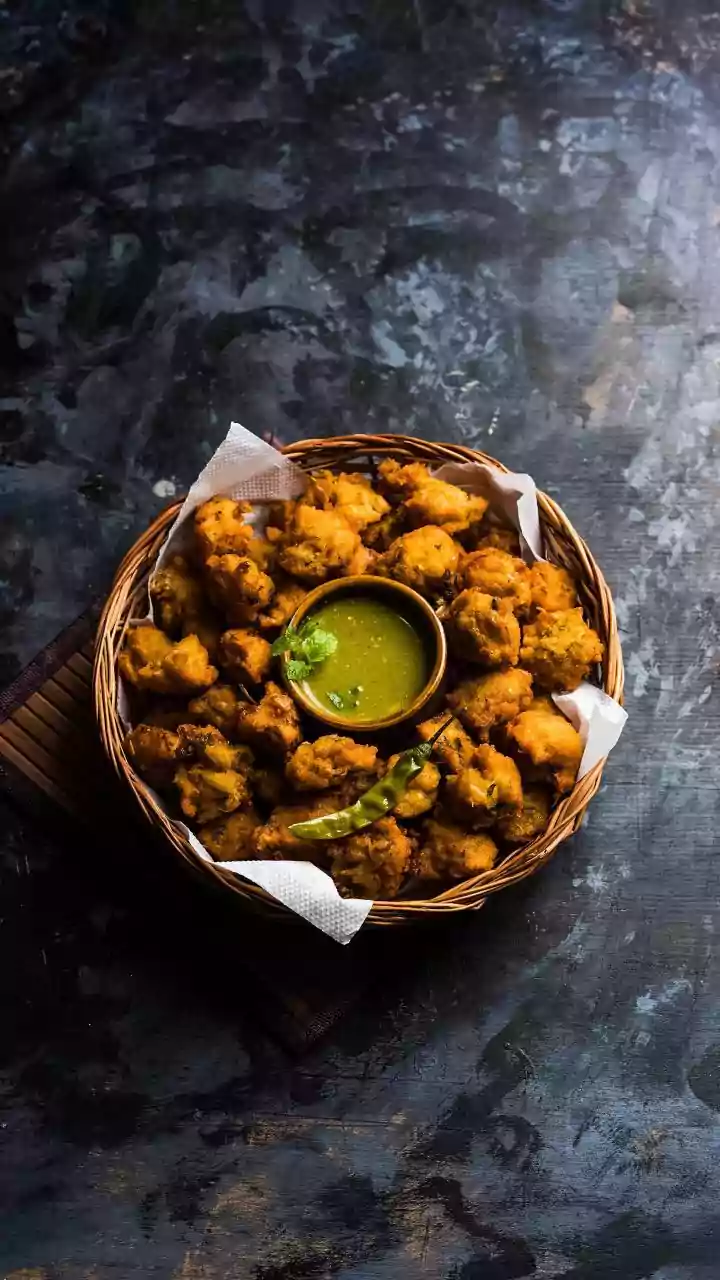
Ultimately, the craving for chai and pakoras is about more than just satisfying hunger. It’s an emotional experience. The act of preparing the fritters, with the sizzle of batter hitting hot oil, and brewing a pot of aromatic tea becomes a comforting activity in itself. It represents a pause, a moment to slow down and connect with the present. Sharing a plate of hot pakoras while watching the rain fall fosters a sense of community and contentment that is difficult to replicate. It’s a multi-sensory experience that combines taste, smell, and sound with feelings of nostalgia, comfort, and togetherness, making it the undisputed king of rainy-day food.