


Verify Road Status and Weather Forecasts
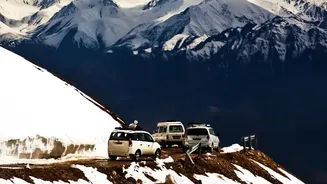
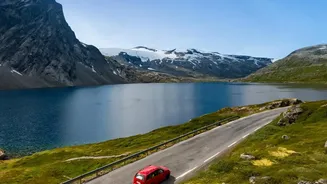
Winter in the Himalayas is unpredictable. Heavy snowfall can lead to widespread road closures, sometimes for days. National highways connecting popular destinations like Manali, Shimla, and parts of Uttarakhand can get blocked, leading to severe traffic
jams and stranding tourists. Before booking and right before leaving, check the official websites of the state disaster management authority and local police for real-time traffic and road advisories. Do not rely solely on social media pictures of snow. Be prepared for delays and have a flexible itinerary that allows for unexpected changes. If self-driving, ensure your vehicle is serviced and you have experience with mountain driving in icy conditions.
Prioritise Health and Acclimatisation
High altitude affects everyone differently, regardless of age or fitness. Acute Mountain Sickness (AMS) is a common concern when travelling above 8,000 feet, with symptoms including headaches, nausea, dizziness, and fatigue. To prevent it, plan your itinerary with gradual ascent, allowing your body at least a day to acclimatise before going higher. Stay hydrated, avoid heavy meals and alcohol for the first couple of days at a new altitude. If you or a travel companion experience severe symptoms like extreme shortness of breath, loss of coordination, or a persistent cough, descend immediately and seek medical help. It's wise to consult a doctor before your trip, especially if you have pre-existing health conditions.
Pack Smart with a Layering System
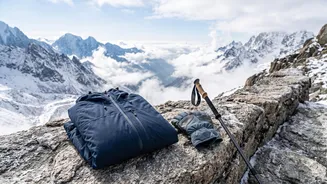
The key to staying warm is not one heavy jacket but a smart layering system. This allows you to adapt to fluctuating temperatures, from a sunny afternoon to a freezing night. Your packing list should include three essential layers: a base layer of thermal wear to manage moisture, a mid-layer like a fleece or sweater for insulation, and a windproof and waterproof outer jacket to protect against the elements. Cotton is best avoided for inner layers as it retains moisture and makes you feel colder once it's damp. Pay special attention to your extremities, packing woollen socks, waterproof gloves, and a warm cap or beanie.
Choose Your Footwear Carefully
The wrong shoes can ruin your trip. Canvas sneakers or casual shoes are inadequate for Himalayan winters. You need sturdy, waterproof boots with good grip and ankle support, even for just walking around town. Icy patches on roads and pathways are common, making slips and falls a real risk. If you plan on walking in deep snow, consider renting snow boots at your destination. Always pack a few extra pairs of warm, dry socks. Keeping your feet dry is crucial for staying warm and comfortable.
Confirm Bookings and Check Amenities
In winter, not all hotels and guesthouses remain open, especially in more remote areas. Always call your hotel directly to confirm your booking and inquire about their winter amenities. Ask about heating arrangements in rooms, availability of running hot water, and power backup. Frequent power cuts can occur during heavy snowfall. Also, confirm if the hotel's location is accessible during snow. Some properties located on steep slopes may become difficult to reach. Booking a hotel in a central, easily accessible part of town is often a safer bet during peak winter.
Plan Your Transportation Wisely
While a winter road trip sounds adventurous, it can be hazardous. Unless you are an experienced mountain driver with a suitable vehicle, it's often safer to fly to the nearest airport and hire a local taxi. Local drivers are experienced with navigating icy roads and are aware of alternative routes. During heavy snowfall, taxi availability can become scarce and fares may surge significantly. If you are hiring a vehicle, do so from a reputed operator and ensure the driver has experience with winter conditions. Public transport may also be limited, so factor that into your travel plans within the region.