



The Definition of Comfort
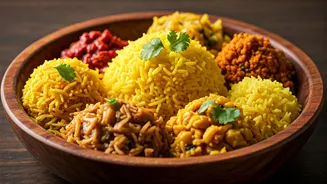
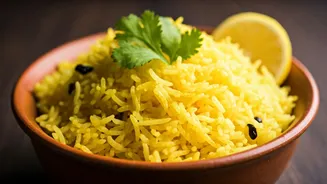
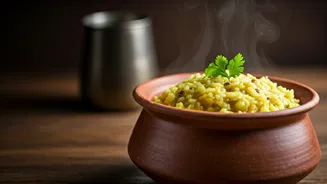
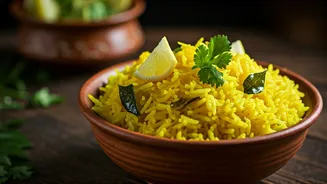
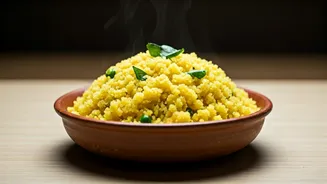
What truly defines comfort food? For many across India, the answer isn't a complex, slow-cooked delicacy. It’s the simple, unassuming, and deeply satisfying plate of lemon rice. Known as Chitranna in Karnataka or Nimmakaya Pulihora in Andhra Pradesh and Telangana,
this dish is a masterclass in culinary alchemy. It transforms humble leftover rice into a meal that soothes the soul, awakens the senses, and evokes a flood of memories with every single spoonful. It’s the taste of a mother’s quick-fix dinner, the reliable companion in a packed tiffin box, and the blessed prasad that feels like a divine gift. In its simplicity lies its genius, proving that you don’t need elaborate ingredients to create a dish that feels like a warm hug.
A Symphony of Simple Flavours
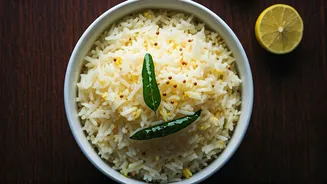
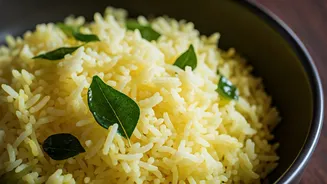
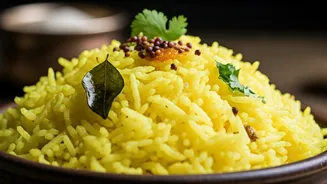
The magic of lemon rice lies in its perfect balance of textures and tastes, created from a pantry of everyday staples. The foundation is, of course, rice—ideally day-old, so each grain remains separate and firm. But the star is the lemon, its bright, zesty acidity cutting through the starch and waking up the palate. This tang is perfectly complemented by the tempering, or the 'tadka'. This is where the dish truly comes alive. The earthy warmth of mustard seeds, the subtle bitterness of urad and chana dal that turn crunchy when fried, the unmistakable fragrance of curry leaves, and a pinch of turmeric that lends the dish its iconic golden hue. A fiery kick from green or red chillies provides a pleasant contrast, while roasted peanuts or cashews offer a delightful, nutty crunch. Each ingredient is simple on its own, but together they create a flavour profile that is complex, layered, and utterly addictive.
A Dish for Every Occasion
Few dishes boast the versatility of lemon rice. It is the ultimate culinary chameleon, fitting seamlessly into any part of the day and any occasion. Is it a weekday morning, and you’re in a rush? Lemon rice is your 10-minute breakfast. Packing a lunchbox for school or the office? It tastes just as good, if not better, at room temperature. Embarking on a long train journey? It’s the perfect, non-messy travel food that won’t spoil easily. This adaptability extends to its cultural role as well. In many South Indian temples, it is offered as 'prasad' or 'naivedyam'—a sacred offering to the deity, later distributed to devotees. This elevates it from mere sustenance to something blessed and spiritually significant. Its presence at festivals, family picnics, and humble weeknight dinners alike cements its status as a food for the people—accessible, beloved, and always appropriate.
The Art of the Perfect Tadka
Anyone who makes lemon rice regularly will tell you that the secret is in the 'tadka' (or 'oggarane'/'popu'). This isn't just a step; it's a technique that requires attention and love. The order is crucial. The oil must be hot enough for the mustard seeds to sputter instantly, releasing their pungent flavour. The dals are added next, fried until they turn a perfect reddish-gold, providing texture and a nutty aroma. Then come the curry leaves and chillies, which crackle and release their essential oils into the mixture. A pinch of asafoetida (hing) adds a savoury, umami-like depth that ties everything together. Finally, the turmeric, bloomed in the hot oil to unlock its colour and earthy flavour. This fragrant, bubbling mixture isn't just poured over the rice; it's folded in gently, coating each grain in a layer of pure flavour. Mastering the tadka is mastering the heart of lemon rice.