




Beyond the Static Page
For decades, the restaurant menu was a predictable contract: a fixed list of dishes available year-round. But a significant shift is underway. Diners are increasingly finding menus that change with the weather, highlight local farms, and even share the history
of a particular recipe. This evolution is built on three interconnected pillars: geography, seasonality, and storytelling. It marks a move away from industrial, one-size-fits-all dining towards an experience that is more authentic, sustainable, and connected to the source. This trend isn't about chasing fleeting fads; it's a return to a more intuitive way of eating that values freshness, community, and the inherent beauty of ingredients.
The Rise of Hyperlocal
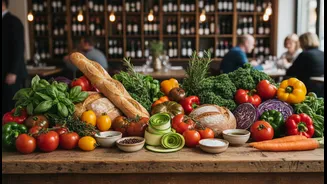
The term 'hyperlocal' is about more than just sourcing from the same country; it’s about celebrating the bounty of a specific region, city, or even neighbourhood. Chefs are forging direct relationships with farmers, producers, and artisans to secure the freshest ingredients possible. Restaurants in Bengaluru might showcase Karnataka's diverse culinary traditions by using produce from nearby farms, while a coastal eatery in Goa could build its menu around the day's fresh catch. This focus on geography does more than just ensure peak freshness; it supports local economies, reduces the carbon footprint associated with long-distance food transport, and provides diners with a true taste of the place they are in. It’s a celebration of terroir—the idea that food tastes of the soil, climate, and culture it comes from.
Eating with the Seasons
Before global supply chains made strawberries available in December, eating seasonally was a simple fact of life. Now, it's a conscious choice. Chefs are increasingly designing their menus around what is being harvested right now, leading to dishes that are more vibrant and flavourful. A monsoon menu might feature corn and gourds, while a winter menu could highlight root vegetables and leafy greens. This approach not only results in better-tasting food but also presents a creative challenge for chefs, encouraging them to innovate and adapt. For diners, it creates a sense of anticipation and a reason to return, knowing that the menu will offer new discoveries with each passing season. Aligning menus with nature's rhythm is also more sustainable, reducing the energy and resources needed to grow and transport produce out of season.
Every Dish Tells a Story
Perhaps the most engaging part of this trend is the element of storytelling. A menu is no longer just a list of items and prices; it's a narrative. Descriptions might share the origin of a heritage grain, the name of the farmer who grew the vegetables, or the chef's childhood memory that inspired a dish. Some restaurants in India are reviving forgotten recipes from specific communities, preserving culinary traditions one plate at a time. This narrative approach transforms dining from a simple transaction into an emotional experience. It gives diners a reason to care about what’s on their plate, fostering a deeper connection to the food, the chef, and the restaurant's philosophy. It's about showing that food has a past, a purpose, and a place in the world.
Why Is This Happening Now?
This shift is being driven by the rise of the 'conscious consumer'. Diners today are more informed and interested in where their food comes from, its impact on the environment, and its connection to their health. They are seeking authenticity and are often willing to support businesses that align with their values. This has empowered chefs to move beyond sourcing from anonymous suppliers and instead celebrate the people and places behind their ingredients. It’s a trend that benefits everyone: farmers find dedicated buyers, chefs get to work with superior products, and diners enjoy meals that are not only delicious but also meaningful.