





A Direct Gateway to the West
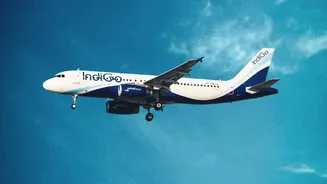
In a significant boost for regional connectivity, carriers like Air India Express have launched the first-ever direct flights from Guwahati’s Lokpriya Gopinath Bordoloi International Airport (LGBIA) to key Gulf hubs like Dubai and Abu Dhabi. Previously,
anyone from Assam or neighbouring states flying to the UAE, Europe, or North America had to first take a domestic flight to Delhi, Mumbai, or Kolkata and then transfer to an international service. These new non-stop routes, which commenced in early August 2026, eliminate that initial domestic leg, saving time, money, and hassle for a large population of professionals, students, and expatriate workers. This development reinforces Guwahati's rapidly growing status as a key aviation hub for the entire Northeast, which has seen its airport infrastructure dramatically upgraded in recent years.
The Onward Connection Conundrum
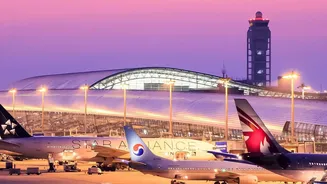
While getting to Dubai or Abu Dhabi is now easier, the journey doesn't end there for many. These Gulf cities are mega-hubs, primarily used as transfer points for flights to destinations across Europe, North America, Africa, and beyond. This is where the question of “onward connections” becomes critical. A direct flight to Dubai is a huge advantage, but if your final destination is London or Toronto, your travel experience is only as smooth as your connection. Passengers now face the challenge of securing seamless and affordable passage on their next flight without the protection of a single, unified ticket.
Self-Transfer vs. Seamless Travel
The core of the problem lies in the type of agreements airlines have with each other. Without formal partnerships like codeshare or interline agreements, a passenger flying from Guwahati to Dubai on one airline and then from Dubai to London on another is essentially making two separate bookings. This is known as a “self-transfer.” It means you may have to collect your checked baggage in the Gulf, clear immigration and customs, check in for your next flight at the departures hall, and go through security all over again. This can be a stressful and time-consuming process, especially with tight connection times. Furthermore, if your first flight is delayed and you miss your second, the second airline has no obligation to rebook you, potentially forcing you to buy an expensive last-minute ticket.
The Solution: Codeshares and Interline Pacts
The ideal solution lies in deeper airline partnerships. A codeshare agreement allows one airline to sell seats on a flight operated by another airline under its own flight number. An interline agreement is a more basic pact that allows airlines to issue tickets that include flights on other carriers. Both arrangements typically enable passengers to check their baggage through to their final destination and receive boarding passes for all legs of their journey at their point of origin. If a connection is missed due to a delay, the airlines work together to rebook the passenger on the next available flight. For the new Guwahati-Gulf routes to reach their full potential, the operating carriers will need to forge these kinds of agreements with the major international airlines that fly out of the Gulf hubs.
What's Next for Northeast Connectivity?
The establishment of these direct Gulf routes is an undeniable strategic victory for the economic and social integration of Northeast India. It opens up new opportunities for trade, tourism, and easier travel for the region's large diaspora. As passenger numbers grow, the commercial case for establishing codeshare and interline agreements will become stronger. For now, travellers are celebrating the first, most important step: a non-stop link to one of the world's most critical aviation crossroads. The next challenge is to ensure the path from that crossroad to the rest of the world becomes just as smooth.