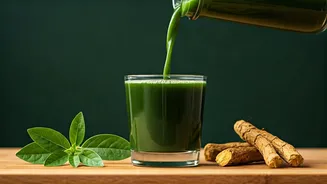









The New Workplace Wellness Ritual
The battle against the afternoon slump is evolving. Where once an extra-large cold brew or a walk to the vending machine was the go-to solution, a younger generation of workers is embracing a different kind of boost. Packaged in tiny, two-ounce bottles,
wellness shots featuring ingredients like ginger, turmeric, and, increasingly, ashwagandha are becoming a desk-side staple. Brands are marketing these potent concoctions not just as a health supplement, but as a tool for modern survival—a quick, convenient way to manage the relentless stress of an always-on work culture. For Gen Z, the first digitally native generation to enter the corporate world en masse, this trend isn't just about physical health; it's a quiet rebellion against the mental and emotional exhaustion that defines their professional landscape.
What Exactly Is Ashwagandha?
Before it was a trendy ingredient in a slickly marketed shot, ashwagandha was a cornerstone of Ayurveda, the traditional system of medicine in India. The name itself comes from Sanskrit, roughly translating to “smell of the horse,” which refers both to its unique odor and the belief that it imparts the strength and vitality of a stallion. Scientifically known as Withania somnifera, ashwagandha is an adaptogen. Think of adaptogens as a thermostat for your body's stress response. The theory is that they help your body “adapt” to physical, chemical, and biological stressors, bringing you back toward a state of balance, or homeostasis. Unlike stimulants like caffeine, which give you a direct, often jittery, lift, adaptogens are believed to work more subtly over time, regulating your physiological response to the daily grind.
The Science Behind the Sip
So, does it actually work? The science is promising, though not yet definitive. Much of the research has focused on ashwagandha’s potential to modulate the body’s primary stress hormone: cortisol. Chronically high cortisol levels, a hallmark of long-term stress and burnout, are linked to anxiety, poor sleep, and weight gain. Several clinical studies have suggested that ashwagandha supplementation may help significantly reduce cortisol concentrations. Other studies point to its potential to reduce self-reported levels of anxiety and stress and improve sleep quality. However, it's important to frame these findings correctly. Many studies are small, and more large-scale, long-term research is needed. The wellness shot you grab at the store is also a far cry from a controlled clinical trial; dosage and quality can vary wildly. It’s a potential aid, not a magic bullet.
A Symptom of a Larger Problem
The rise of the ashwagandha shot among young professionals says less about the herb itself and more about the environment they're trying to navigate. Gen Z entered a workforce plagued by uncertainty, from a global pandemic to economic volatility. Surveys consistently show they report the highest levels of burnout and anxiety of any generation. They are grappling with blurred work-life boundaries, pressure to be constantly productive, and the feeling that they must optimize every aspect of their lives—including their own resilience. In this context, turning to a wellness shot is a form of self-care triage. It's an individual solution to a systemic problem. When companies fail to provide adequate mental health support, manageable workloads, or a culture that genuinely values rest, employees are left to find their own coping mechanisms in the aisles of the nearest health food store.
A Tool, Not a Cure
Ultimately, viewing ashwagandha as a “fix” for burnout is missing the point. While it may offer some individuals a tangible sense of calm and help regulate their stress response, it doesn't address the source of that stress. Relying on any supplement to power through an unsustainable work situation is like putting a piece of tape over a warning light on your car's dashboard. It might make you feel better in the short term, but it doesn't fix the underlying engine trouble. Experts suggest that these tools are best used in conjunction with foundational wellness practices: getting enough sleep, eating a balanced diet, moving your body, and, most importantly, setting firm boundaries between work and life. The wellness shot can be a helpful part of a holistic toolkit for managing stress, but it's not a substitute for the hard work of building a life—and demanding a workplace—that doesn't burn you out in the first place.