


Artemis: A New Era on the Moon
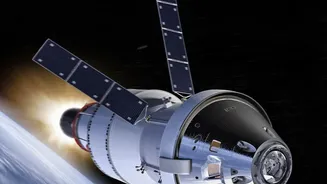
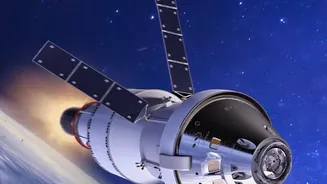
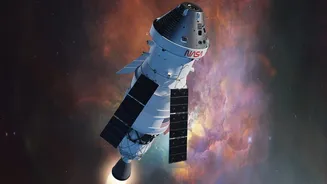
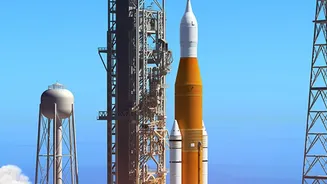
NASA's Artemis program is one of the most ambitious space endeavours in decades. The goal isn't just to revisit the Moon, but to establish a sustainable human presence there. This involves building a base on the lunar surface, which will serve as a stepping
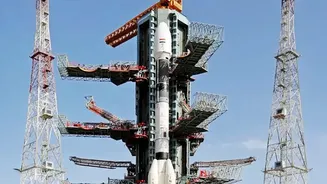
stone for eventual missions to Mars. The program is a massive collaboration between NASA and commercial partners like SpaceX. Artemis missions will involve a series of complex steps, from launching the powerful Space Launch System (SLS) rocket to landing astronauts at the Moon's South Pole, a region humans have never visited.
What Students Can Learn: The Artemis program is a masterclass in project management and systems engineering. Students can see how a colossal goal is broken down into manageable missions (Artemis I, II, III, etc.). It highlights the need for expertise in robotics for building lunar infrastructure, materials science for developing durable habitats and spacesuits, and advanced navigation to ensure safe landings. For computer science students, the program demonstrates the importance of autonomous systems and reliable software that can operate millions of kilometres from Earth.
Europa Clipper: The Search for Life
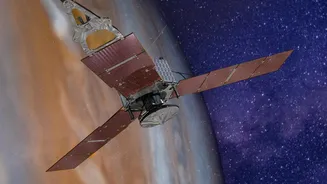
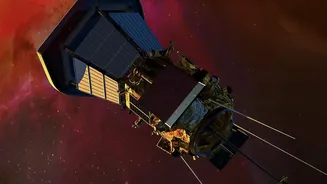
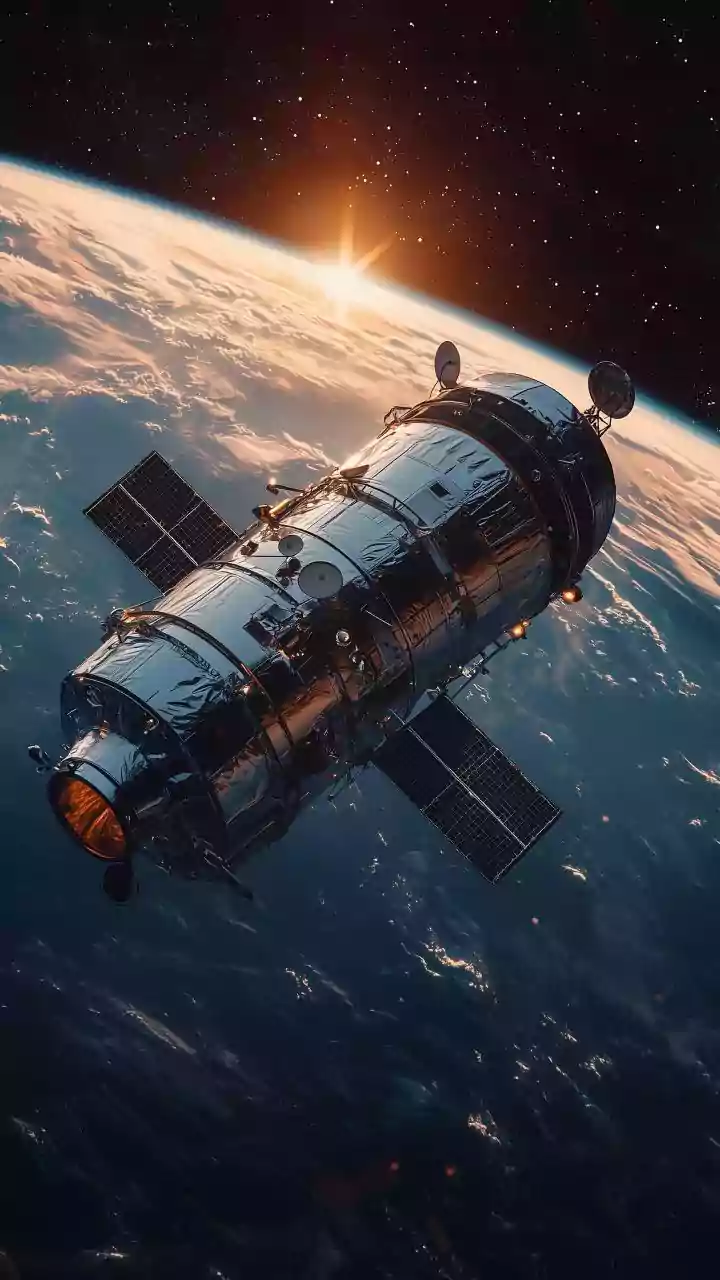
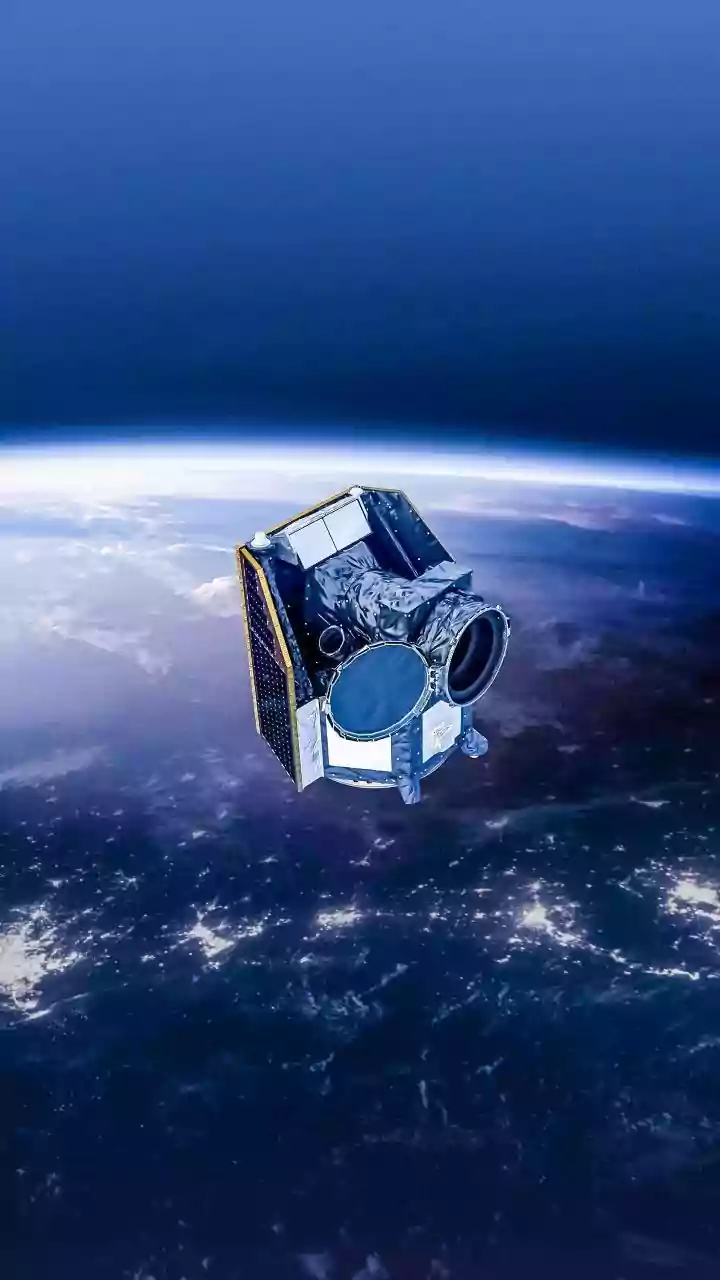
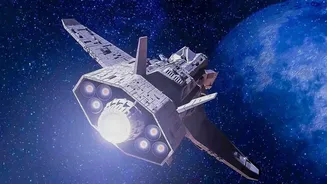
The Europa Clipper mission is heading to Jupiter's moon, Europa, which is considered one of the most promising places in our solar system to find conditions suitable for life. Scientists believe a vast saltwater ocean, with more water than all of Earth's oceans combined, lies beneath Europa's icy shell. Launched in late 2024, the spacecraft will perform dozens of close flybys of the moon, using a suite of nine advanced science instruments to study its ice shell, scan its surface, and confirm the existence and characteristics of the ocean. It will be the largest spacecraft NASA has ever flown for a planetary mission, featuring enormous solar arrays to power its instruments so far from the Sun.
What Students Can Learn: Europa Clipper is all about investigation and data analysis. The mission teaches the importance of interdisciplinary science; it requires astrobiologists, geologists, chemists, and physicists to work together. Students passionate about data science can learn from how the mission will gather immense amounts of information from its instruments and send it back to Earth for analysis. Engineering students can study the incredible design challenges, like creating a spacecraft that can withstand Jupiter’s intense radiation while powering sensitive instruments with limited sunlight. It’s a lesson in pushing the boundaries of remote sensing and robotics.
Mars Sample Return: Bringing the Red Planet to Earth
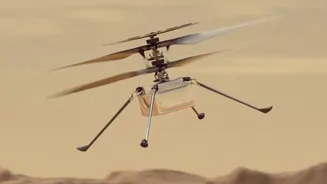
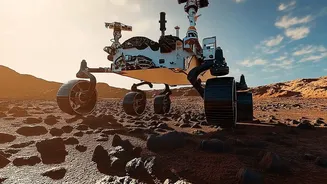
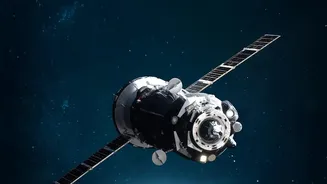
The Mars Sample Return campaign is a groundbreaking effort planned jointly by NASA and the European Space Agency (ESA). The multi-stage mission aims to do something never done before: collect rock and soil samples from Mars and bring them back to Earth for detailed study. NASA's Perseverance rover is already on Mars, collecting and caching compelling samples. Future missions would involve a lander deploying a rover to fetch these samples, a small rocket (the Mars Ascent Vehicle) to launch them into Martian orbit, and an orbiter to capture the container and fly it back to Earth.
What Students Can Learn: This mission is the ultimate lesson in robotics, logistics, and planetary science. The sheer complexity of retrieving samples from another planet requires brilliant engineering. Students can see the application of advanced robotics in the Sample Fetch Rover and the Sample Transfer Arm. It highlights cutting-edge aerospace engineering, as the Mars Ascent Vehicle would be the first rocket ever to launch from another planet. For aspiring biologists and geologists, this mission underscores the importance of sample integrity and how to study potential signs of ancient life in a controlled laboratory setting, something that rovers alone cannot do.