






The Fasting Classic: Sabudana Khichdi
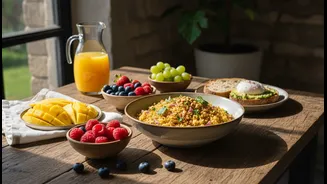
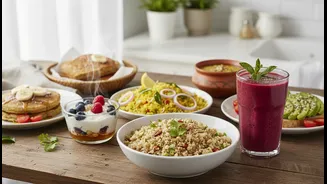
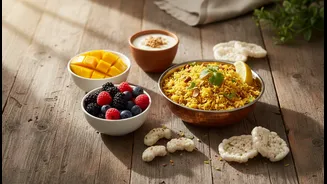
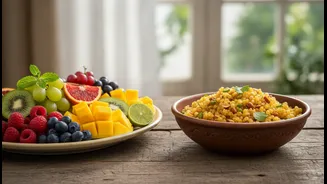
Sabudana, or tapioca pearls, are a staple during Hindu fasts for a reason. This beloved dish is not only permissible but also provides a quick source of energy to kickstart your day. While sabudana is primarily carbohydrates, the magic of the khichdi
lies in its preparation. By adding roasted peanuts, you incorporate essential protein and healthy fats, which help to make the meal more balanced and keep you feeling full for longer. A simple tempering of cumin seeds, green chillies, and a final squeeze of lemon juice turns these humble pearls into a flavourful and satisfying breakfast. It's gentle on the stomach and a comforting way to begin a day of observance.
The Power Pancake: Kuttu ka Cheela
Buckwheat flour, or kuttu ka atta, is another vrat-friendly hero. Unlike its name suggests, it is not a type of wheat but a gluten-free pseudo-cereal packed with nutrients. Kuttu is rich in protein and fibre, making it an excellent choice for a filling breakfast that provides sustained energy. A kuttu ka cheela, or savoury pancake, is incredibly easy to whip up. The batter can be made by simply mixing the flour with water, sendha namak (rock salt), and mild spices like black pepper and cumin. To enhance its texture and nutritional value, you can add grated vegetables like potato or bottle gourd (lauki) to the batter. Cooked on a tawa with a little ghee, these cheelas are light, digestible, and far from the heavy, fried foods often associated with fasting.
The Wholesome Grain-Free Pulao: Sama Rice
Sama ke chawal, or barnyard millet, is a wonderful substitute for rice during fasting periods. This tiny millet cooks quickly and can be transformed into a delicious and hearty pulao. Rich in fibre and nutrients, it ensures you don't experience the energy slumps that can come with simpler fasting foods. To prepare a sama pulao, you can temper ghee with cumin seeds and green chillies, then sauté vrat-friendly vegetables like potatoes before adding the washed millet and water. The addition of roasted peanuts or cashews can provide extra crunch and protein, making the dish more substantial. It's a one-pot meal that is both nourishing and compliant with Shravan fasting rules.
The Sturdy Staple: Rajgira Paratha
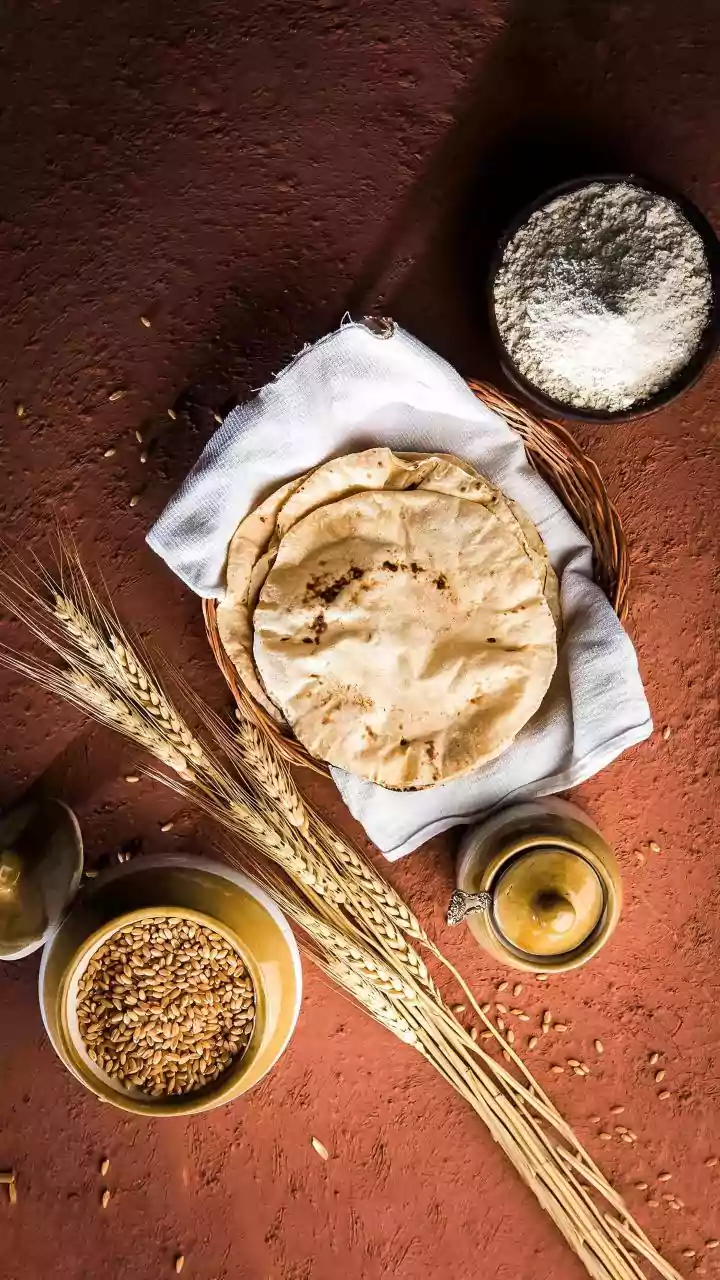
Rajgira, or amaranth flour, is a nutritional powerhouse. Naturally gluten-free, it is packed with complete protein (containing all essential amino acids), calcium, and iron. This makes it an ideal ingredient for a filling breakfast that supports muscle health and energy levels. A Rajgira paratha, often made by combining the flour with mashed boiled potatoes, is a fantastic way to stay full. The potato helps bind the gluten-free dough while adding to the satiety factor. Seasoned with rock salt, black pepper, and fresh coriander, these parathas can be cooked on a griddle with ghee and served with a side of plain curd for a complete and balanced meal.
The Light and Energising Choice: Fruit with Nuts
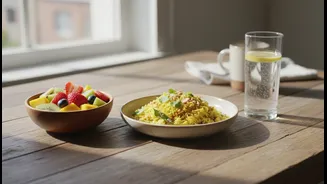
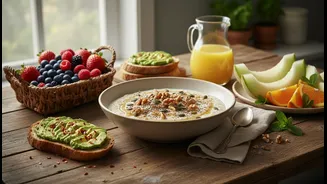
For those who prefer a lighter start to the day, a simple bowl of fruit can be elevated to become a truly filling breakfast. While fruits provide quick energy and hydration, they can sometimes leave you hungry soon after. The key is to add a source of protein and healthy fats. A mixed fruit chaat seasoned with a pinch of sendha namak and black pepper becomes much more satisfying with a generous handful of nuts like almonds and walnuts, and seeds like pumpkin or flax. Dairy, such as a bowl of fresh curd or a glass of milk, can also be included to create a more rounded and sustaining meal. This option requires no cooking and is perfect for busy mornings.