



France is a dream destination, synonymous with romance, art, and history. But the reality of visiting its most famous landmarks can sometimes fall short of the fantasy. Managing expectations is key to a truly magical trip.
The Mona Lisa at the Louvre
Leonardo da Vinci's masterpiece
is arguably the most famous painting in the world, but the experience of seeing it can be underwhelming for many. First, the painting itself is surprisingly small, measuring just 77 by 53 centimetres. It's housed behind protective, bulletproof glass, which can create glare and a sense of distance. The main issue, however, is the immense crowd. Room 711 of the Louvre is almost always packed with hundreds of visitors, all jostling for position with phones held high to capture a photo. The museum staff manage a queue, but you may only get a few seconds at the front before being moved along. The experience is often described as chaotic and more like a celebrity sighting than a quiet moment of art appreciation. Rather than spending your energy in this one crowded room, consider that the Louvre is home to 35,000 other masterpieces, many of which you can admire in relative peace.
The Eiffel Tower Summit
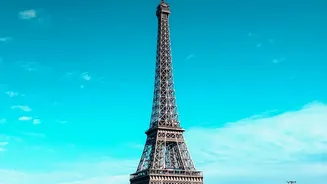
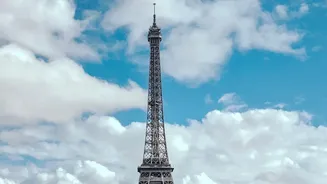
The Iron Lady is the undisputed symbol of Paris, and seeing it is a must. The question is how you should see it. For many, the dream is to ascend to the summit for a panoramic view. However, this often involves multiple, lengthy queues: one for security, another to buy tickets (if you haven't pre-booked), and then separate lines for the elevators to the second floor and finally to the top. During peak season, these waits can easily add up to two or three hours. Once at the top, the viewing platform is often crowded, making it difficult to soak in the view peacefully. A more enjoyable, and often more photogenic, experience can be had from the ground. Viewing the tower from the Champ de Mars or the steps of the Trocadéro is completely free and allows you to appreciate its scale and architecture. For an alternative aerial view that actually includes the Eiffel Tower in your photo, consider climbing the Arc de Triomphe.
Mont Saint-Michel
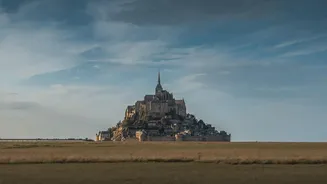
This tidal island abbey off the coast of Normandy is a fairy-tale sight, appearing to rise magically from the sea. It is France's most popular tourist destination outside of Paris. Unfortunately, its popularity is also its biggest challenge. The island is tiny, and its single main street, the Grande Rue, becomes incredibly congested. During peak hours (roughly 10 a.m. to 4 p.m.), the street is a bottleneck of thousands of people, lined with souvenir shops and restaurants often criticised for being overpriced. The experience can feel less like a spiritual pilgrimage and more like navigating a crowded theme park. To capture the magic without the madness, consider visiting in the off-season or, even better, staying overnight. After the day-trippers and tour buses depart, the island becomes quiet and atmospheric, allowing you to explore its medieval lanes as they were meant to be seen.
The Palace of Versailles
The opulent home of French royalty is a testament to grandeur and power. However, visiting the main palace can be an exercise in frustration due to overwhelming crowds. Even with a pre-booked ticket, visitors often find themselves shuffling shoulder-to-shoulder through a prescribed route, making it difficult to admire the lavish rooms or read the descriptions. The Hall of Mirrors, the palace's most famous room, is frequently so packed that it's hard to appreciate its beauty or get a clear photo. The experience inside the palace is often described as a 'tourist trap' that can feel anxious and overwhelming. A better strategy is to focus on the vast and magnificent Gardens of Versailles. Here, you have nearly 2,000 acres to explore, including the less-crowded Grand Trianon and Marie Antoinette's picturesque estate, the Queen's Hamlet. These areas offer a much more serene and enjoyable glimpse into royal life.