

Why the Cut Is King
The size and shape of your vegetables are about more than just looks; they are fundamental to the cooking process. Uniformity is key. When vegetables are cut into similar-sized pieces, they cook at the same rate. This prevents the frustrating outcome
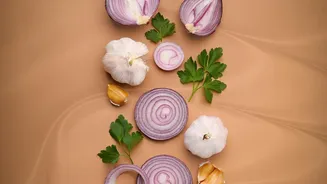
of having some pieces perfectly tender while others are still hard or have turned completely mushy. Furthermore, the surface area of a cut affects how it interacts with heat and other ingredients. A larger surface area, like with a long, diagonal slice on a carrot, allows for more browning and caramelisation, developing a deeper, charred flavour. Smaller cuts, like mincing garlic or ginger, release more enzymes and aromatic compounds, infusing the entire dish with potent flavour. So, a simple change in your cutting technique can transform the taste and texture of your meal.
The Everyday Indian Kitchen Cuts
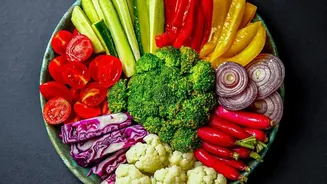
You don't need to master complex French culinary terms to improve your cooking, but understanding a few basic cuts can make a world of difference. The most common techniques you're likely already using are chopping and dicing. Chopping involves cutting vegetables into similarly sized but often irregular pieces, perfect for rustic soups or a base masala where appearance doesn't matter as much. Dicing, on the other hand, is more precise, creating small, uniform cubes. A medium dice is excellent for vegetables in a korma or avial, ensuring each bite is consistent. Slicing, creating thin, flat pieces, is great for onions for a biryani or cucumbers for a raita. For dishes like a Chinese-style stir-fry or an Indian 'sabzi', a julienne (thin matchsticks) or a bias cut (diagonal slice) can be ideal. These cuts cook quickly and evenly, maintaining a pleasant crunch.
Matching Cuts to Cooking Methods
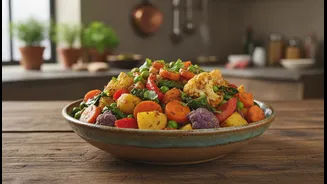
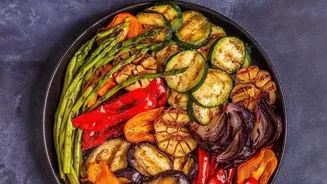
The success of a dish often depends on pairing the right cut with the right cooking method. For slow-cooked curries, stews, and sambar, a larger dice or chunk is preferable. These bigger pieces can withstand long cooking times without disintegrating, slowly absorbing the flavours of the gravy while contributing their own. For quick-cooking dishes like a palya, poriyal, or a simple stir-fry, smaller or thinner cuts are the way to go. Juliennes, thin slices, or small dice of vegetables like capsicum, carrots, and beans will cook rapidly over high heat, retaining their vibrant colour and crisp texture. When roasting vegetables like potatoes, pumpkin, or cauliflower, a larger, uniform cut ensures they become tender on the inside and perfectly browned on the outside without burning. For salads and garnishes, fine cuts like chiffonade (thin ribbons of leafy greens) or finely minced herbs release maximum fresh flavour.
Seasonal Stars and Their Perfect Cuts
Making the most of seasonal produce is a cornerstone of Indian cooking. Applying the right cut can elevate these fresh flavours. During the winter, carrots are abundant. For a quick carrot and peas sabzi, dicing them small ensures they cook quickly. For a comforting gajar ka halwa, grating is essential for that perfect texture. Hardy winter greens like spinach (palak) or mustard greens (sarson) are best when roughly chopped for a saag, but for adding to dal or a filling for parathas, a finer chop is better. In the summer, gourds like lauki (bottle gourd) and tori (ridge gourd) are staples. Dicing them for a curry helps them cook evenly and absorb spices. Okra (bhindi) is another summer favourite; slicing it into rounds is common for bhindi fry, but cutting it lengthwise for stuffing (bharwa bhindi) creates a completely different dish and helps reduce sliminess.