





An Unusual End to the Rains
The India Meteorological Department (IMD) has forecast that rainfall across the country in September 2026 is likely to be below normal. This comes after a season that has already seen significant rainfall deficits in many regions through June, July, and
August. While some parts of east and northeast India may see normal to above-normal rain due to specific weather systems, much of the country, particularly peninsular and central India, is expected to experience subdued rainfall. This pattern is influenced by strong El Niño conditions in the Pacific Ocean, a global weather phenomenon often linked to weaker monsoons in India. The final month of the monsoon is crucial; it tops up reservoirs and ensures adequate soil moisture for the next crop cycle. A dry end can have cascading effects that are felt long after the season is over.
Strain on the Fields
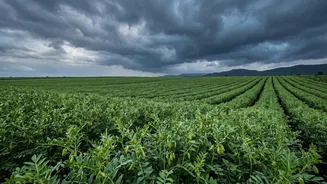
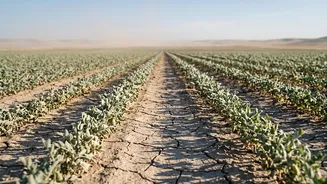
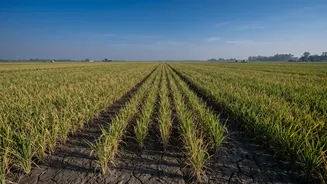
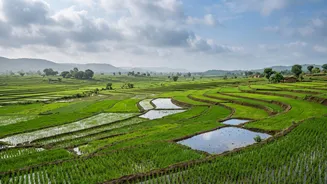
For India's farmers, a dry September is a cause for significant concern. The month is vital for the maturation of late-sown kharif (summer) crops like rice, pulses, and oilseeds. Insufficient rain at this stage can stress the standing crops, potentially reducing yields. For example, paddy requires a steady supply of water during its growth phase, and even short dry spells can impact the final harvest. Furthermore, September rains are critical for preparing the soil for the upcoming rabi (winter) sowing season, which includes major crops like wheat and mustard. Lower soil moisture can delay rabi sowing and affect the crop's health from the start. This combination of threats to both kharif yields and rabi prospects creates uncertainty for agricultural output and, consequently, farmers' incomes.
Urban Water and Power Worries
The impact of a weak monsoon withdrawal extends from rural fields to urban centres. Cities across India rely on reservoirs that are replenished by monsoon rains to meet their water needs for the rest of the year. A drier-than-expected September means these reservoirs may not reach their full capacity, raising the possibility of water cuts in the post-monsoon months. For instance, even in a major metropolis like Mumbai, reservoir levels in early September 2026 were already slightly below those of the previous two years. In Tamil Nadu, the Mettur Dam, crucial for the Cauvery delta, opened for irrigation almost three months later than its customary date due to inadequate water storage. A deficit also affects hydroelectric power generation, which depends on high water levels in dams. Lower power production can lead to a greater reliance on coal-based power and potential power shortages.
Economic Ripple Effects
The agricultural sector is the backbone of the rural economy, and a weak monsoon finish can send ripples through the entire nation's finances. A reduction in crop yields can lead to tighter food supplies, putting upward pressure on the prices of essentials like vegetables, cereals, and sugar. This food inflation directly impacts household budgets for millions. Economists note that a significant monsoon shortfall could push overall inflation higher, complicating economic management. Beyond food prices, lower farm incomes reduce rural purchasing power. This means less spending on goods like tractors, two-wheelers, and other consumer products, which can slow down broader economic growth. The government may also face increased pressure to provide subsidies and support to struggling farmers, further straining public finances.