






The Unseen Engine of AI
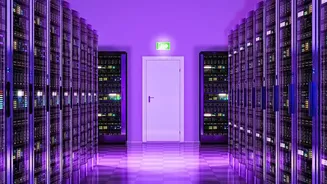
Behind every generative AI query and machine learning model lies a physical reality: vast, power-hungry data centres. But these are not the same facilities that have hosted websites and cloud storage for the past decade. AI workloads require a different
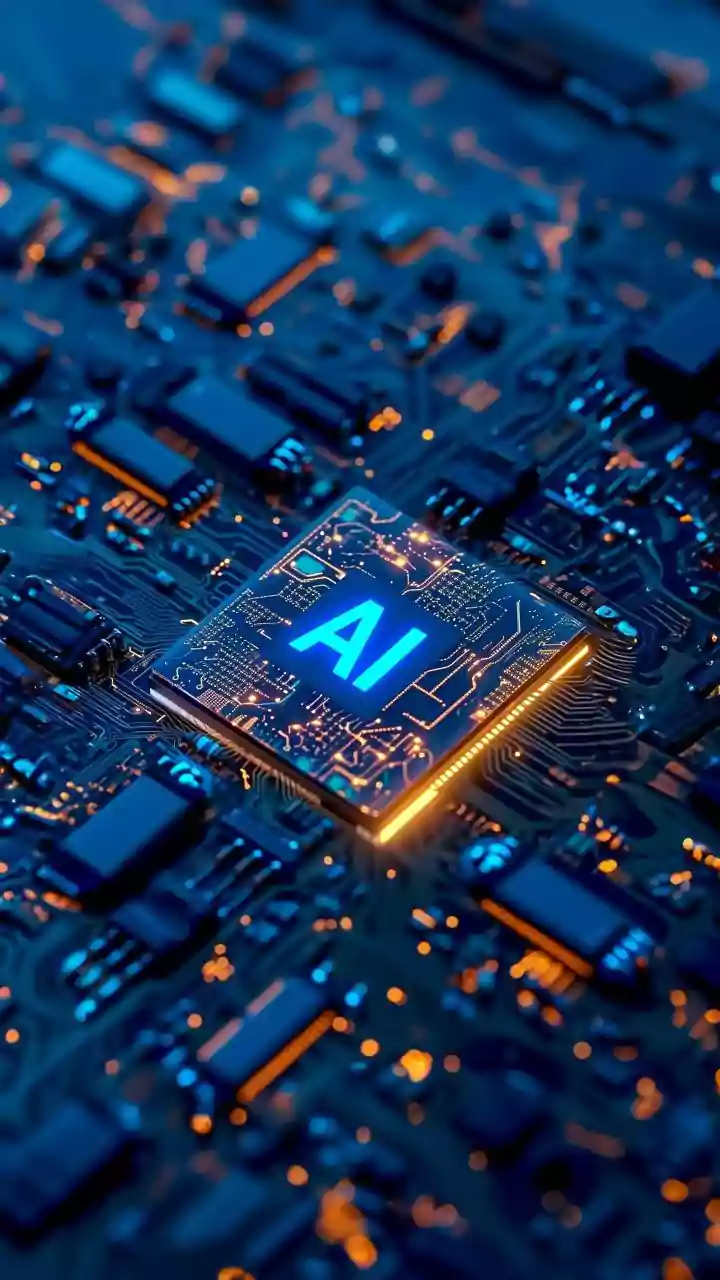
class of hardware, primarily Graphics Processing Units (GPUs), which are far more energy-intensive than traditional Central Processing Units (CPUs). A single server rack designed for AI can consume anywhere from 40 to 100 kilowatts (kW) of power, a stark contrast to the 7-10 kW required by a conventional rack. This is because training and running complex AI models involves continuous, high-intensity calculations, pushing hardware to its maximum capacity around the clock.
A Tsunami of Demand
India's digital transformation is accelerating, and with it, the demand for data centres. The country's data centre capacity has already expanded dramatically, from just 375 megawatts (MW) in 2020 to an expected 2 gigawatts (GW) by the end of 2026. However, the pivot to AI is poised to amplify this growth exponentially. Projections from India's Ministry of Power estimate that the electricity demand from data centres, supercharged by AI, could reach 26.3 GW by 2031-32. To put that into perspective, this surge represents a massive new category of industrial power consumption that did not exist in this form only a few years ago. Some analysts predict data centres could account for as much as 7% of India's total electricity demand by 2040, a twenty-fold increase from 2025.
India's Grid Under Pressure
This unprecedented demand creates a formidable challenge for India's energy infrastructure. For years, the country's primary energy concern was generation—simply producing enough power. Now, even as India makes strides in adding capacity, particularly from renewable sources, the bottleneck is shifting to transmission and grid stability. The existing grid was not designed for such concentrated pockets of extreme power demand. AI data centres require not only massive amounts of power but also a consistent, high-quality 24/7 supply, which puts a strain on an infrastructure already dealing with losses and the need for modernization. Simply generating more power isn't enough; it needs to be reliably delivered to these new industrial hubs when they need it.
The Green Power Dilemma
Recognising the scale of the issue, both the government and major tech companies are pushing for this new demand to be met with renewable energy. Global giants like Google, Amazon, and Meta are already signing large-scale power purchase agreements (PPAs) for wind and solar projects in India to power their facilities. This aligns with India's ambitious goal of reaching 500 GW of non-fossil fuel capacity by 2030. However, this presents its own set of challenges. Renewable sources like solar and wind are intermittent, while data centres require constant power. This increases the need for energy storage solutions, such as large-scale batteries, and hybrid power projects to ensure a reliable 'round-the-clock' supply. Integrating these variable sources at such a large scale will require significant investment and sophisticated grid management.
The Road Ahead for Indian Industry
The boom in AI data centres is an undeniable economic opportunity for India, with billions in investments flowing into the sector. Yet, successfully navigating this transition requires a fundamental shift in energy planning. The focus must move from a reactive model to one that proactively builds transmission corridors and storage capacity where future demand is expected. For businesses, power procurement strategy is becoming as crucial as site selection for new facilities. States with supportive open-access energy policies that allow companies to buy power directly from producers are emerging as preferred destinations. Ultimately, the growth of India's digital economy will depend not just on computing power, but on the nation's ability to power that computation sustainably and reliably.