





What Exactly Is El Niño?
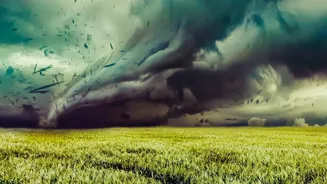
El Niño is a naturally occurring climate pattern characterized by the unusual warming of surface waters in the central and eastern Pacific Ocean. While it originates thousands of kilometers away, its effects ripple across the globe, altering weather patterns,
and India is particularly susceptible. These changes in ocean temperature disrupt the atmospheric circulation patterns that are fundamental to global weather. For India, the most critical consequence is the potential weakening of the southwest monsoon, which delivers about 70% of the country's annual rainfall.
The Monsoon Under Threat
Forecasts for 2026 are causing significant concern, with a high probability of a strong El Niño event peaking late in the year. Meteorologists have noted that this could lead to a 'below-normal' monsoon, with some projections suggesting a significant rainfall deficit. In September 2026, parts of India have already seen a monsoon rainfall shortfall of almost 50%. This isn't just about less rain; El Niño can also alter where the rain falls. It tends to shift the monsoon trough northward, leading to less rainfall in the agricultural heartlands of central and peninsular India.
Impact on the Fields and Farms
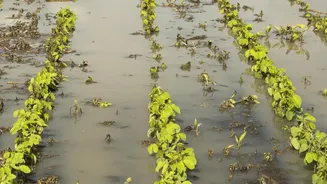
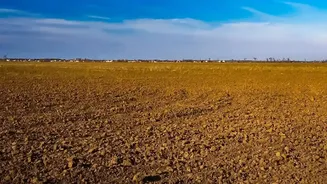
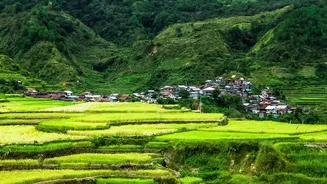
A weak monsoon has direct and severe consequences for India's food production. The kharif season, when crucial crops like rice, maize, cotton, and pulses are grown, is heavily dependent on monsoon rains. With drought conditions already affecting over half of the country as of mid-September, standing crops are under stress. This directly impacts farmers' livelihoods and can lead to diminished harvests. The reduction in yield raises the spectre of food inflation, which would place a heavy burden on poor and lower-middle-class families who are already struggling with high food prices.
Water Woes Beyond Agriculture
The impact extends beyond the fields. A deficient monsoon fails to adequately replenish India’s reservoirs, rivers, and groundwater. This creates a cascading crisis, affecting drinking water supplies for millions of people and generating stress on the power grid, which relies on hydropower. Water scarcity can become acute, forcing authorities to manage dwindling resources carefully. This situation not only threatens daily life but also has ripple effects on industries and urban centers that depend on a consistent water supply.
Is India Prepared for the Challenge?
The Indian government has signaled a high level of vigilance. Recognizing the threat, authorities have identified hundreds of vulnerable districts and are rolling out contingency plans. These strategies include encouraging farmers to plant low-water and drought-resistant crops like millets and pulses, enhancing water conservation infrastructure, and preparing financial safety nets for farmers through insurance and credit schemes. The Indian Council of Agricultural Research (ICAR) has developed district-specific plans and a dedicated 'El Niño Monitoring Cell' has been established to coordinate a real-time response. However, the scale of the predicted El Niño presents an unprecedented challenge, testing the limits of these preparations.