



Swap White Rice for Millets or Brown Rice
White rice is a staple in many Indian households, but it’s a refined carbohydrate with a high glycemic index (GI). This means it can cause rapid spikes in your blood sugar levels, leading to energy crashes and, over time, an increased risk of type 2 diabetes.
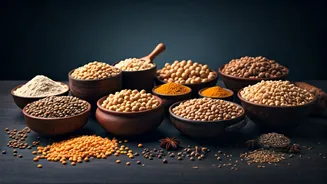
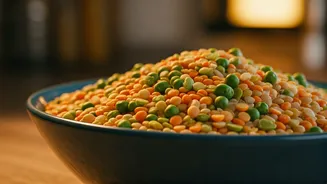
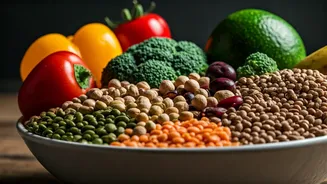
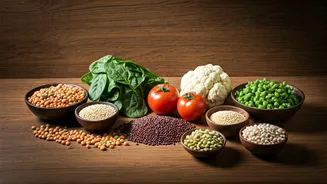
The simple swap? Embrace the goodness of whole grains. Brown rice is a fantastic starting point, as it retains its fibre-rich bran layer, which aids digestion and promotes a feeling of fullness. Even better are traditional millets like jowar, bajra, and ragi. These ancient grains are not only packed with fibre but are also rich in essential minerals like iron and magnesium. They have a lower GI, providing a slow and steady release of energy that keeps you active throughout the day. You can use them to make rotis, dosas, or simply cook them as you would rice.
Trade Refined Cooking Oils for Healthier Fats
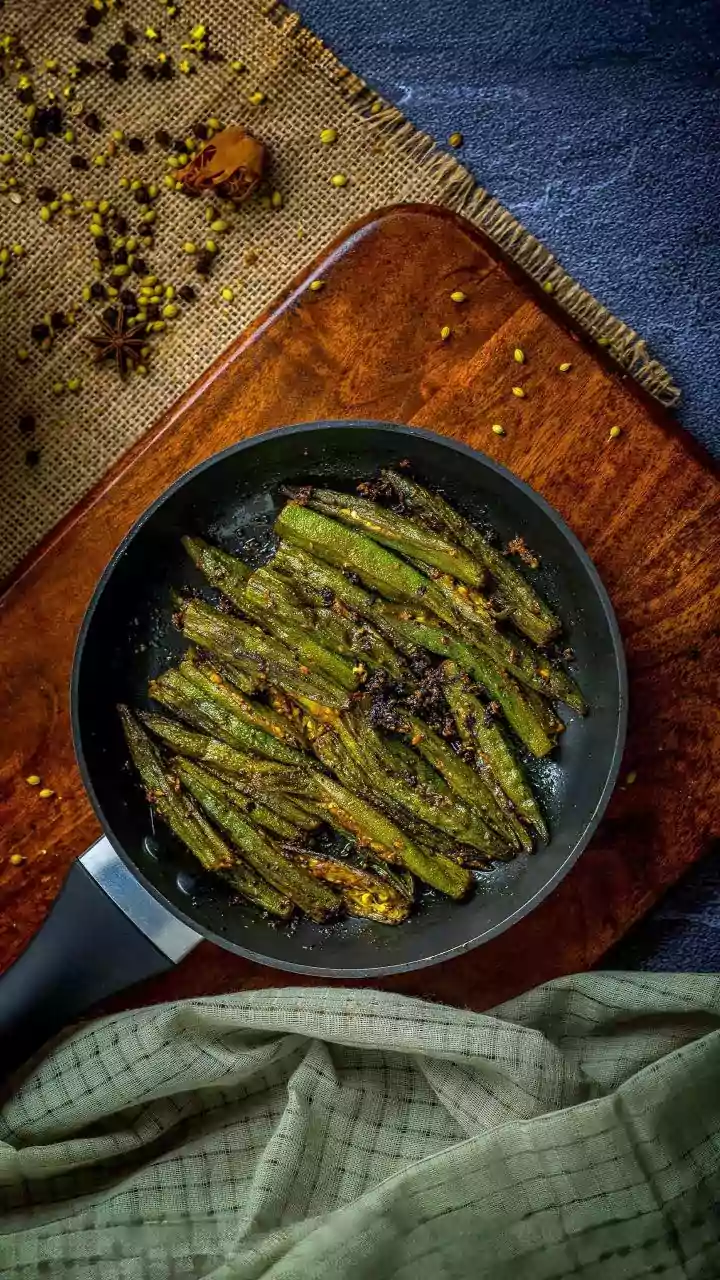
The type of oil you use for your daily tadka and sabzi makes a huge difference. Many commonly used refined vegetable oils undergo high-heat processing and chemical treatment, which can strip them of nutrients and produce harmful compounds. A healthier choice is to switch to cold-pressed or kacchi ghani oils like groundnut, mustard, or sesame oil. These oils are extracted without high heat, which helps them retain their natural antioxidants, vitamins, and healthy fatty acids. For instance, cold-pressed mustard oil is rich in omega-3 fatty acids, which are great for heart health. Ghee, when used in moderation, is another excellent choice. It’s a source of fat-soluble vitamins and has a high smoke point, making it stable for cooking.
Replace Packaged Snacks with Whole Foods
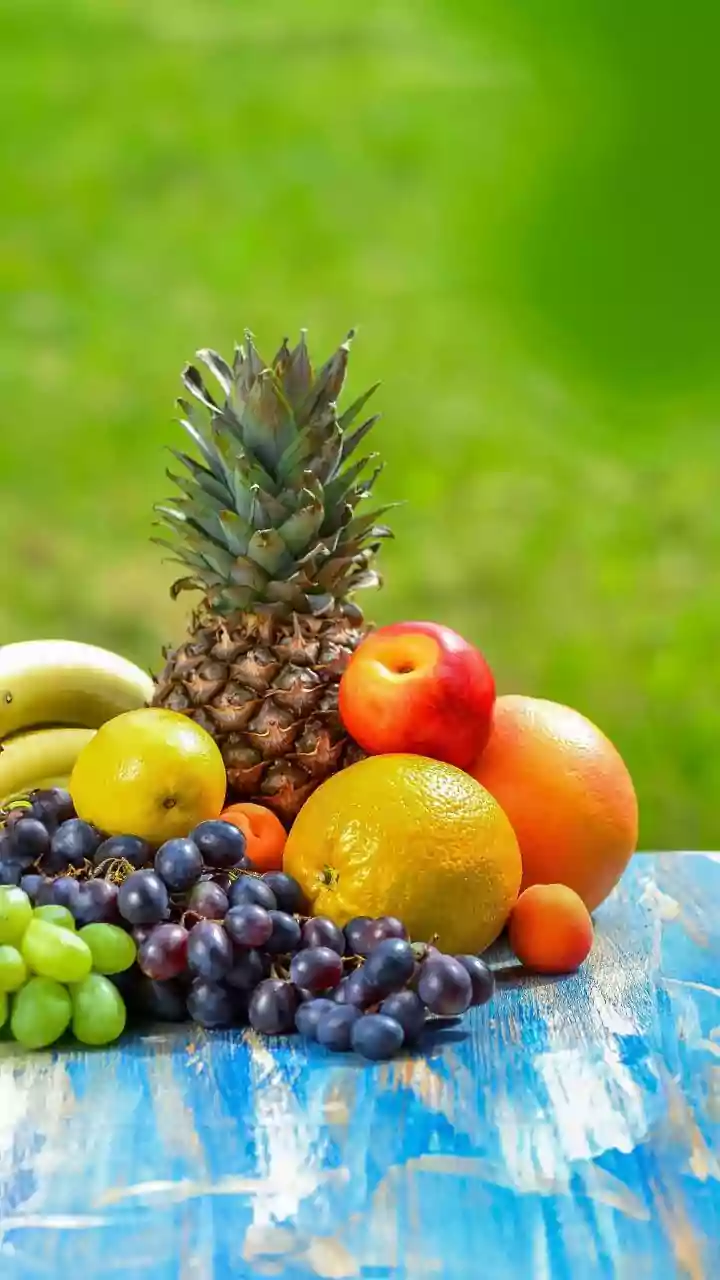
That 4 PM craving for something crunchy and salty often leads us to a packet of potato chips, bhujia, or biscuits. While convenient, these ultra-processed snacks are typically loaded with sodium, unhealthy fats, and empty calories. The healthier swap is surprisingly simple and delicious. Try a handful of roasted makhana (fox nuts), which are low in calories and rich in calcium. A small bowl of roasted chana provides an excellent source of protein and fibre. A mix of nuts and seeds like almonds, walnuts, and pumpkin seeds offers healthy fats and keeps you satiated. Even a simple piece of fruit like an apple or a banana can curb your sugar craving while providing essential vitamins and fibre.
Ditch Sugary Drinks for Natural Hydration
Packed fruit juices, sodas, and other sweetened beverages are one of the biggest sources of hidden sugar in our diets. They offer a quick sugar rush but are devoid of nutrients and contribute significantly to weight gain and other health issues. Instead, turn to India’s treasure trove of natural thirst-quenchers. A glass of nimbu pani (with minimal or no sugar) is refreshing and provides Vitamin C. Coconut water is a natural electrolyte powerhouse, perfect for rehydrating. Unsweetened chaas (buttermilk) is a fantastic probiotic that aids digestion. And, of course, there’s always plain water, which you can infuse with mint leaves, cucumber, or lemon for a flavourful, zero-calorie drink.
Choose Whole Wheat Atta Over Maida
Maida, or refined all-purpose flour, is another high-GI food that has been stripped of its fibre and nutrients. It’s the main ingredient in naan, bhatura, white bread, and many packaged biscuits and cakes. The easiest and most impactful swap is to stick to traditional whole wheat atta for your daily rotis and parathas. Whole wheat flour contains the entire grain, giving you the fibre needed for good gut health and sustained energy. When buying bread or other baked goods, always check the label to ensure “whole wheat flour” is the first ingredient, not just brown colouring or a small percentage of whole grains mixed with maida.
Make Your Own Chutneys and Sauces
Store-bought ketchup, schezwan sauce, and salad dressings can seem convenient, but they are often packed with sugar, sodium, and preservatives. A five-minute swap can transform both the taste and health profile of your meal. Create your own fresh chutneys at home. A simple green chutney made from coriander, mint, green chillies, and lemon is bursting with flavour and antioxidants. A tomato chutney can be made with fresh tomatoes, ginger, and a touch of jaggery instead of refined sugar. For salads, a simple dressing of olive oil, lemon juice, salt, and pepper is far healthier and tastier than any bottled alternative.