
Why Your Waste Is a Terrible Thing to Waste
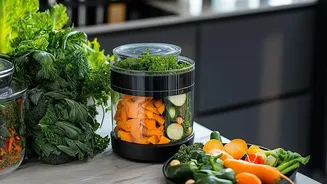
When food scraps end up in landfills, they get buried without oxygen. As they break down, they release methane, a potent greenhouse gas that contributes to climate change. In fact, food waste is a massive contributor to landfill volume and emissions.
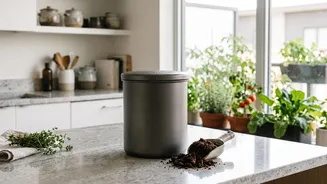
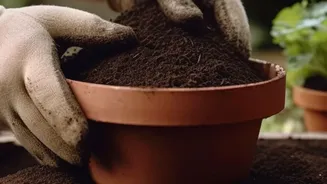
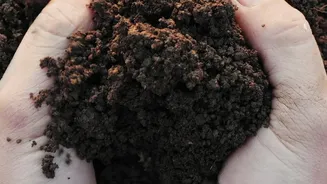
Composting flips the script. It’s an aerobic process—meaning it uses oxygen—to decompose organic matter, creating a nutrient-rich material often called 'black gold' by gardeners. By composting, you not only reduce your household's carbon footprint but also create a free, high-quality amendment that improves soil health, helps it retain moisture, and reduces the need for chemical fertilizers.
The Golden Rules: What to Compost
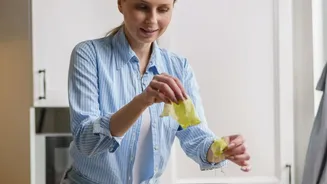
A healthy compost pile needs a balance of two things: 'Greens' and 'Browns'. Greens are nitrogen-rich materials that provide moisture, like fruit and vegetable scraps, coffee grounds, and tea bags. Browns are carbon-rich, dry materials that provide structure and air pockets, such as dried leaves, shredded newspaper (avoiding glossy paper), cardboard, and twigs. A good rule of thumb is to aim for a ratio of about two or three parts browns to one part greens. You can compost most plant-based kitchen waste, including peels, cores, eggshells, and grains. However, you should generally avoid adding meat, dairy products, and oily or greasy foods to a standard home compost pile, as these can attract pests and create foul odors.
Hack 1: The Classic Backyard Pile
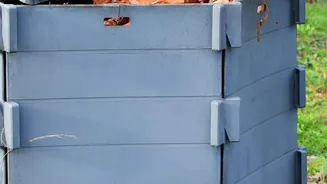
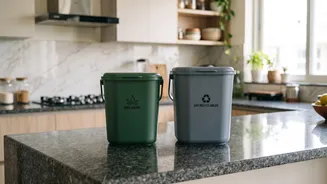
If you have outdoor space, a simple compost pile or bin is a fantastic option. Choose a spot that's accessible and has good drainage. You can build a bin from wire or wood, or simply start a pile on the ground. Begin with a layer of bulky browns like twigs to allow for air circulation at the base. Then, start layering your greens (kitchen scraps) and browns (dried leaves, paper) like you're making a lasagna. Keep the pile as moist as a wrung-out sponge, adding a little water if it gets too dry. Turn the pile with a pitchfork or shovel every week or two to aerate it, which speeds up decomposition and prevents smells. In a few months, you’ll have dark, crumbly compost ready for your garden.
Hack 2: The Apartment-Friendly Worm Bin
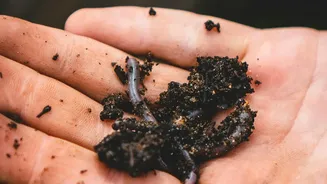
No yard? No problem. Vermicomposting, or worm composting, is a perfect solution for small spaces and can even be done indoors. It uses specific types of worms, like red wigglers (Eisenia fetida), to efficiently break down food scraps in a contained bin. You can buy a ready-made worm bin or build one from two plastic tubs. You’ll need to fill it with moist bedding made from shredded newspaper or cardboard, add the worms, and let them acclimate. Feed them small amounts of chopped fruit and vegetable scraps, burying the food under the bedding to avoid pests. The worms will transform the waste into nutrient-dense worm castings, one of the best fertilizers you can get.
Hack 3: The Super-Fast Bokashi Method
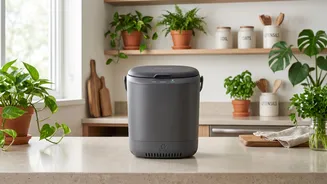
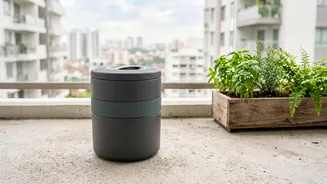
For those who want a quicker, more versatile option, Bokashi is an innovative method that ferments kitchen waste. Unlike traditional composting, it’s an anaerobic (oxygen-free) process that uses a special bran inoculated with effective microorganisms to pickle your food scraps. The great advantage of Bokashi is that you can add things you normally can’t, like meat, dairy, and cooked foods. The process happens in an airtight bucket with a spigot. You layer your scraps with the Bokashi bran, press down to remove air, and seal the lid. Every few days, you'll drain a nutrient-rich liquid 'tea' that can be diluted and used as a potent plant fertilizer. After a couple of weeks, the fermented material can be buried in your garden or a larger compost pile, where it will break down into soil very quickly.
Troubleshooting Common Problems
Don’t be discouraged if you run into issues. Most are easy to fix. If your pile smells like rotten eggs, it's likely too wet and not getting enough air. The solution is to turn the pile and add more dry, 'brown' materials like shredded cardboard or dried leaves to soak up moisture and create air pockets. If you notice pests, it’s often because food scraps are exposed. Make sure to bury new additions of kitchen waste in the center of your pile or under a layer of browns. If the pile isn't breaking down, it may need more nitrogen-rich 'greens' or a bit of water to get the microbes working.