



The Tale of Two Pickles
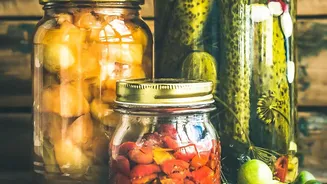
Walk down any supermarket aisle and you will see jars of pickles. Most of these are preserved quickly using vinegar. This method, known as vinegar pickling, uses the acidity of vinegar to preserve the cucumbers, giving them their signature sharp tang.
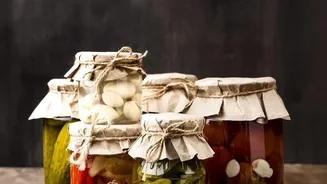
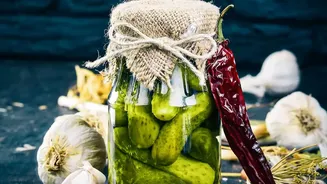
While delicious, this process, which often involves heat pasteurisation, creates a shelf-stable product that does not contain live bacteria. In contrast, ancient or heritage pickles are made through a process called lacto-fermentation. This traditional method uses only salt, water, and the naturally occurring bacteria on the cucumbers themselves to work its magic. It is this fermentation that produces the live microbial cultures responsible for the gut health benefits.
How Fermentation Creates Probiotics
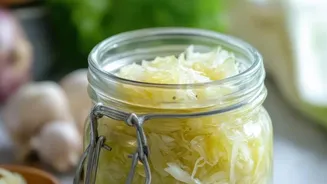
Lacto-fermentation is a natural process that has been used for thousands of years to preserve food. It begins by submerging cucumbers in a saltwater brine. This salty, oxygen-free environment is the perfect breeding ground for beneficial bacteria, particularly those from the Lactobacillus family. These tiny microorganisms get to work, consuming the natural sugars in the cucumbers and converting them into lactic acid. It's this lactic acid that acts as a natural preservative, protecting the pickles from spoilage while creating a complex, sour flavour that is distinct from the sharp taste of vinegar. The resulting pickles are teeming with these beneficial bacteria, which are also known as probiotics.
Supporting Your Gut Microbiome
Our digestive tracts are home to trillions of microorganisms, collectively known as the gut microbiome. This internal ecosystem plays a vital role in everything from digestion to immune function. A healthy gut is marked by a diverse and balanced population of these microbes. Consuming fermented foods like heritage pickles can introduce beneficial live cultures directly into your system. These probiotics can help bolster the population of good bacteria in your gut, contributing to a more balanced and resilient microbiome. A well-balanced gut is better equipped to perform its essential functions, leading to improved overall digestive wellness.
From a Balanced Gut to Better Digestion
The tangible benefits of a healthy gut microbiome often manifest as improved daily digestion. The probiotics found in fermented pickles can help your body break down food more efficiently, which may reduce common digestive complaints like bloating and gas. By supporting a healthy balance of gut flora, these foods can contribute to more regular and comfortable digestion. Some studies have shown that a diet rich in diverse fermented foods is associated with greater microbial diversity, which is a consistent marker of a healthy gut. The live cultures in these pickles are like reinforcements for your body’s internal digestive team.
The Link to Enhanced Nutrient Use
A healthy gut does more than just digest food; it also plays a crucial role in absorbing the nutrients from everything you eat. The fermentation process itself can make some nutrients, like certain vitamins, more bioavailable, meaning your body can absorb and use them more easily. Furthermore, by promoting a healthy gut lining, probiotics create an environment where the absorption of vitamins and minerals is more efficient. Some research has even suggested that the lactic acid produced during fermentation can increase the absorption of minerals like iron. In this way, the benefits extend beyond digestion, helping you get more nutritional value from your entire diet.
How to Find True Fermented Pickles
To reap these benefits, you need to choose the right kind of pickle. Since heat kills live cultures, you will not find traditionally fermented pickles on the regular supermarket shelf. Instead, look in the refrigerated section of your grocery store. Check the label for key phrases like 'naturally fermented', 'raw', or 'contains live cultures'. Another clue is the ingredient list; true fermented pickles will be made with salt and water, not vinegar. The brine may also appear slightly cloudy, which is a normal sign of a live, fermented product.