







The Torrent in Numbers
When the India Meteorological Department (IMD) reports rainfall in millimetres (mm), it's easy to switch off. But these numbers paint a dramatic picture. In the first week of July 2026, the Santacruz observatory recorded a staggering 1,017.5 mm of rain.
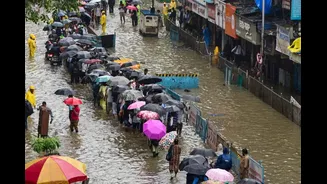
To put that in perspective, that's more than the 798.3 mm it received during the entire month of July the previous year. July is historically Mumbai's wettest month, with a monthly average of around 920 mm. The city surpassed that benchmark in just seven days. This wasn't a gentle, steady drizzle; it was a series of intense downpours, with some days seeing over 200 mm of rain, a category officially defined as "extremely heavy" rainfall.
A City Built for a Different Climate
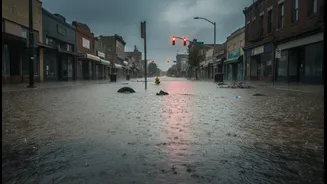
Mumbai’s core problem is that its infrastructure was designed for a different era of rainfall. The city's century-old storm water drainage system was built to handle about 25 mm of rain per hour. However, recent monsoon spells frequently deliver intensities far exceeding 50 mm per hour. When hundreds of millimetres fall in short, violent bursts, the system is simply overwhelmed. This is made worse by relentless urbanisation. Concrete and asphalt have replaced naturally porous ground, meaning rainwater that once would have been absorbed now floods into a drainage network that is already over capacity. The issue is compounded when these intense spells coincide with high tides, which prevent the drains from emptying into the sea.
The Clear Signature of Climate Change
The pattern seen in the first week of July 2026 is what climate scientists have been warning about. It's not necessarily that the total volume of seasonal rain is increasing dramatically, but that it's being delivered in shorter, more destructive bursts. Experts note that a warmer atmosphere and warmer seas, particularly the Arabian Sea, hold more moisture. While phenomena like El Niño can delay the monsoon's onset, climate change is intensifying the rain when it finally arrives. This trend is clear in long-term data. Studies show Mumbai's average monsoon rainfall has already increased by nearly 15% between 2001-2024 compared to the two decades prior. The data suggests events like the devastating July 2005 floods, once considered generational, could become more frequent.
Why the Data Matters for You
For a young person living in or moving to Mumbai, this data is more than just trivia. It has real-world implications for your life. It impacts the reliability of the public transport you depend on to get to college or your first job. It influences real estate decisions, highlighting which low-lying areas are most vulnerable to recurrent flooding and property damage. Understanding this trend is also crucial for civic awareness. The data underscores the urgent need for climate-resilient urban planning, from upgrading the BRIMSTOWAD drainage project to protecting the city’s remaining mangroves and open spaces that act as natural buffers. It’s a call to engage with and demand better, more forward-thinking governance that prepares for the climate of tomorrow, not yesterday.