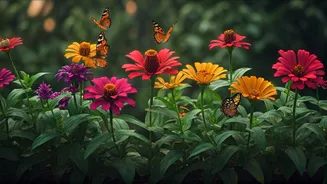




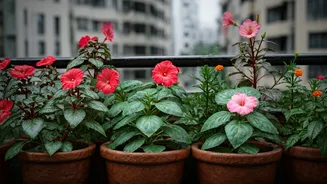
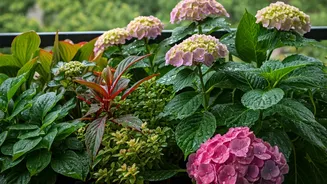
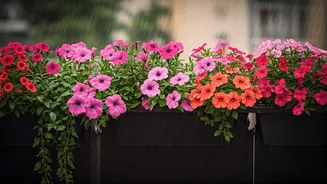


Why Native Plants are Key
Before we dive into the list, let's understand why native or well-naturalised plants are your best bet. These plants have evolved alongside our local butterflies, birds, and bees. They are perfectly adapted to our soil, climate, and rainfall patterns,
which means they are more resilient and require less maintenance. They provide the right kind of nectar (food for adult butterflies) and leaves (food for caterpillars) that our local butterfly species need to thrive. While 'today' is a hopeful promise, planting flowering native species can indeed attract butterflies very quickly, often within a few days, as they are always searching for new food sources. Creating a complete sanctuary, however, is a rewarding journey that unfolds over the season.
1. Lantana (Panchphuli)
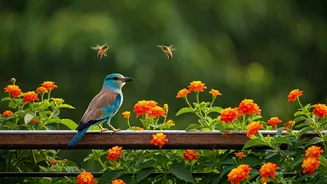
If you want a butterfly magnet, Lantana is a must-have. This hardy shrub produces clusters of tiny, colourful flowers that are rich in nectar. It blooms profusely and is available in a variety of colours—yellow, orange, white, pink, and purple—allowing you to create a vibrant tapestry on your balcony. Butterflies like the Common Mormon, Lime Butterfly, and various Skippers are frequent visitors. For balcony gardening, choose a compact variety. Lantana thrives in full sun and well-draining soil. During the monsoon, ensure your pot has excellent drainage to prevent waterlogging, which can lead to root rot. It’s a wonderfully low-maintenance plant that delivers big on butterfly appeal.
2. Marigold (Genda)
A staple in Indian households, the cheerful Marigold is more than just a festive flower. Its bright yellow and orange hues act like a landing strip for butterflies. The open-faced structure of simpler, single-petal varieties makes it easy for butterflies to access the nectar. They are incredibly easy to grow from seeds or saplings and thrive during the monsoon season. Plant them in medium-sized pots with standard potting mix. While they enjoy the rain, make sure they get at least 4-5 hours of sunlight. Their slightly pungent smell also has the added benefit of deterring some common garden pests naturally.
3. Ixora (Rukmini)
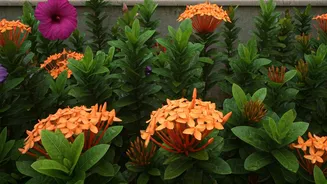
Known for its large, dense clusters of star-shaped flowers, Ixora is a visual delight and a butterfly favourite. Commonly called Rukmini or Jungle Geranium, these shrubs come in brilliant shades of red, orange, pink, and white. The tubular flowers are perfectly shaped for butterflies with long proboscises. They are relatively easy to maintain in pots, preferring slightly acidic soil and a sunny spot on your balcony. During the monsoon, their water needs will be met by the rain, but again, good drainage is crucial. Pruning the plant after a flowering cycle will encourage bushier growth and more blooms, ensuring a steady supply of nectar for your winged guests.
4. Pentas (Egyptian Starcluster)
While not strictly native to India, Pentas has naturalised so well that it's a cornerstone of butterfly gardens across the country. As its nickname suggests, it produces beautiful star-shaped flowers in clusters, primarily in shades of pink, red, lilac, and white. These plants are known to be 'butterfly-irresistible' and will attract a continuous stream of visitors. Pentas are perfect for pots and containers, and they bloom almost year-round in tropical climates. They love the sun but will appreciate some afternoon shade. Their constant blooming cycle makes them one of the most reliable plants for attracting butterflies quickly.
5. Curry Leaf Plant (Kadi Patta)
This might come as a surprise, but the humble Curry Leaf plant is more than just a culinary herb. It is the primary host plant for the larvae of the beautiful Common Mormon butterfly. Host plants are where butterflies lay their eggs, and the caterpillars feed on the leaves. Don't worry, the caterpillars will only munch on a few leaves and won't destroy your plant. Seeing the entire transformation from egg to butterfly in your own balcony sanctuary is a magical experience that nectar plants alone cannot provide.