





What Exactly Is a Dark Kitchen?
First, let's demystify the term. A 'dark kitchen', also known as a ghost or cloud kitchen, is essentially a restaurant without a dining room. It is a professional cooking facility designed exclusively for online and mobile orders, fulfilled through delivery
platforms like Zomato and Swiggy. By shedding the heavy costs of prime real estate, front-of-house staff, and elaborate decor, entrepreneurs can launch food brands with significantly less financial risk. This lean model allows chefs to focus purely on the food, testing new concepts and reaching a wide urban customer base without the massive upfront investment a traditional restaurant requires. In India, this model has exploded, creating a new landscape for food businesses to thrive in the digital age.
The Rediscovery of Tribal Cuisine
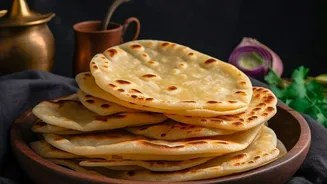
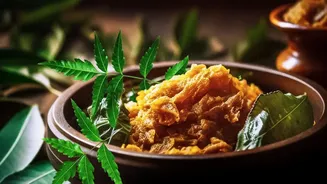
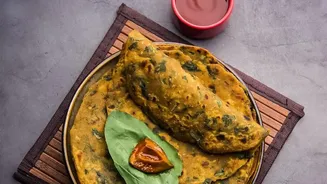
For years, the vast and diverse culinary traditions of India's tribal communities remained largely hidden from the urban mainstream. These are cuisines shaped by nature, featuring unique ingredients and sustainable practices passed down through generations. We’re talking about dishes like 'red ant chutney' from the Ho tribe, wildflower preparations from Jharkhand, and the smoky, fermented flavours of Naga cooking, which features ingredients like bamboo shoot and 'akhuni' (fermented soybean). Recently, a cultural reawakening has spurred a growing interest in these authentic, hyperlocal foods. A new generation of tribal entrepreneurs is proudly bringing their heritage to the forefront, creating ventures that celebrate and preserve these flavours.
A Perfect Match for Preservation
This is where the two trends converge. The dark kitchen model provides an ideal platform for tribal cuisine entrepreneurs who might lack the capital for a full-fledged restaurant but possess invaluable culinary knowledge. It allows them to start small, control their narrative, and introduce complex, unfamiliar flavours to curious city dwellers. A perfect example is Bamboo Hut, a delivery-only kitchen in Delhi specializing in authentic, home-cooked Naga food. By operating as a cloud kitchen, the founder can focus on sourcing the right ingredients and perfecting family recipes, using delivery apps to bridge the geographical and cultural gap between Nagaland and the capital's foodies. This model makes niche cuisines economically viable, turning cultural passion into a sustainable business.
From Forest Feasts to Urban Feats
This movement is about more than just food; it's about economic empowerment and cultural storytelling. Entrepreneurs like Aruna Tirkey, from the Oraon tribe in Jharkhand, have founded restaurants like Ajam Emba to revive and promote their community's food. While not exclusively a dark kitchen, her work and that of others has been amplified by modern platforms, including partnerships with delivery aggregators during events like the Samvaad tribal conclave. By creating a direct channel to consumers, these chefs can ensure authenticity and share the stories behind their food—explaining the significance of an ingredient or the tradition behind a dish. This creates a richer, more meaningful experience for the consumer and provides a vital livelihood for tribal communities.
Challenges on the Digital Frontier
The path is not without its obstacles. For one, sourcing authentic, seasonal ingredients from remote villages to an urban kitchen can be a major logistical challenge. Maintaining the integrity and authenticity of recipes while adapting to a fast-paced delivery model requires a delicate balance. Furthermore, the digital marketplace is crowded. Standing out on a delivery app filled with countless options requires savvy marketing and consistent quality to build a loyal customer base. Despite these hurdles, the model's low barrier to entry and its ability to connect niche producers with a wide audience present an unprecedented opportunity.