








Why Monsoons Are a Flea Festival
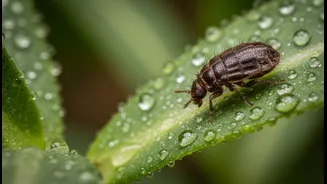
While you might think the heavy rains would wash pests away, the opposite is true for fleas. The combination of warmth and high humidity during the Indian monsoon creates an ideal environment for their entire life cycle. Flea eggs, larvae, and pupae thrive
in these damp conditions, both outdoors and indoors. This means that a few stray fleas brought inside can quickly multiply into a full-blown infestation that affects your pets and your home. Adult fleas make up only a small fraction of the total population; the majority exists as eggs, larvae, and pupae hidden in carpets, bedding, and furniture.
Your Pet Is the First Clue
Your pet's behaviour is often the first and most obvious sign of a flea problem. A key indicator is excessive scratching, biting, or licking, especially around the base of the tail, belly, and hind legs. This is often a reaction to flea saliva, to which many pets are allergic. You might also notice your pet seems unusually restless or agitated, unable to settle down comfortably. In more advanced cases, this constant irritation can lead to hair loss, red or inflamed skin, and even scabs or secondary skin infections. If you notice any of these signs, it's time for a closer inspection.
The Telltale Sign: Flea Dirt
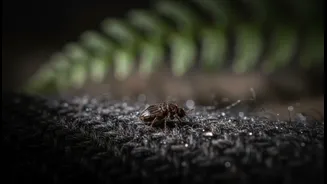
Even if you can't see the tiny, fast-moving adult fleas, they leave behind evidence. This evidence is commonly known as "flea dirt," which is actually flea faeces composed of digested blood. It looks like tiny specks of black pepper scattered on your pet's skin and in their fur. To confirm if the specks are flea dirt or just regular soil, perform a simple test. Comb some of the specks onto a damp white paper towel or tissue. If they dissolve and leave a reddish-brown stain, it's a confirmed sign of fleas. This means fleas have been feeding on your pet.
Conducting a Thorough Check
To find fleas or flea dirt, you need to be systematic. Use a fine-toothed flea comb, available at most pet stores. Have your pet stand on a white towel or sheet to easily spot any debris that falls off. Gently part the fur and comb through, paying close attention to warm, hidden areas where fleas love to congregate. These include the base of the tail, the back, the groin and belly area, under the legs, and around the neck and ears. You may see the small, dark adult fleas themselves, or the telltale flea dirt left behind on the comb or your pet's skin.
But My Pet Stays Indoors!
It's a common misconception that pets who live exclusively indoors are immune to fleas. Unfortunately, these parasites are expert hitchhikers. They can be carried into your home on your own shoes and clothing after you've been outside. They can also enter on visiting friends, family, or other pets. Even a quick trip to the vet or a moment on a shared balcony can be enough for a flea to hop aboard. Wildlife like stray cats or rodents seeking shelter from the rain near your home can also introduce flea eggs into the vicinity, which then find their way inside.
Inspecting Your Home Environment
If you find fleas on your pet, they are almost certainly in your home as well. Flea eggs easily fall off your pet and settle into their surroundings. Inspect your pet's favourite spots thoroughly. Check their bedding, blankets, and any furniture they like to rest on. Run your hands over carpets and rugs, looking for flea dirt. Vacuuming regularly, especially in corners, under furniture, and along baseboards, can help remove eggs and larvae. Washing all pet bedding in hot, soapy water is a crucial step in breaking the flea life cycle and preventing a small issue from becoming a major infestation.