



The Hidden Danger in a Damp Coat
Especially during India's monsoon season, keeping a dog dry can feel like a losing battle. While a little dampness might seem harmless, it creates the perfect warm, humid environment for yeast and fungi to thrive. The most common culprit is a yeast called
Malassezia pachydermatis, which lives naturally on a dog's skin. When conditions are right—like in the folds of damp skin or under a thick, wet undercoat—this yeast can overgrow, leading to a painful and itchy infection known as yeast dermatitis. This isn't just a minor inconvenience; it's a persistent medical condition that causes significant discomfort for your pet.
Recognising the Red Flags
Fungal infections don't always look dramatic at first, but they have tell-tale signs. Being vigilant can help you catch the problem early. Watch out for obsessive scratching, licking, or chewing at a particular spot. Inspect your dog’s skin for redness, inflammation, or a greasy texture. A distinct, musty odour, often described as smelling like old socks or corn chips, is a classic sign of a yeast overgrowth. You might also notice flaky or crusty skin (dandruff), hair loss, or thickened, darkened skin in chronic cases. These symptoms are most common in areas that trap moisture, such as the ears, paw pads, armpits, groin, and around the tail.
The Art of a Proper Dry-Down
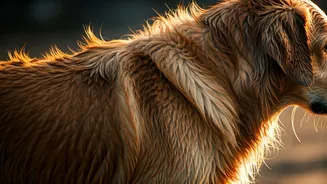
Thoroughly drying your dog is the single most effective way to prevent these infections. A quick towel-off is often not enough, especially for dogs with thick or double coats. Start with a highly absorbent microfibre towel to soak up as much water as possible. Gently squeeze, don't rub, as aggressive rubbing can irritate the skin. For a complete dry, use a blow dryer on a low-heat, low-speed setting. Keep the dryer moving and at a safe distance to avoid burning the skin. Pay special attention to hidden areas: between the toes, under the legs, and deep within their coat. Your goal is to leave the fur—and more importantly, the skin underneath—completely dry to the touch.
Breeds That Need Extra Attention
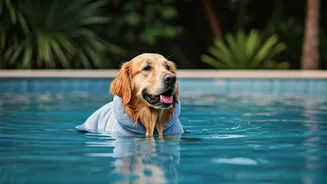
While any dog can develop a fungal infection, some breeds are more susceptible due to their physical traits. Dogs with numerous skin folds, like Pugs, Bulldogs, and Shar-Peis, need their folds cleaned and dried meticulously. Breeds with long, floppy ears that trap moisture, such as Cocker Spaniels and Basset Hounds, are prone to ear infections. Dogs with thick double coats designed for cold weather, like German Shepherds, Golden Retrievers, and Huskies, can retain dampness close to their skin for hours if not dried properly. If you own one of these breeds, post-bath or post-rain care needs to be an essential part of your routine.
Beyond Drying: Preventive Grooming
Good grooming habits form a strong line of defence. Regular brushing helps remove loose fur, prevent mats that trap moisture, and increase air circulation to the skin. For dogs with dense coats, using an undercoat rake can be particularly effective. A healthy diet rich in omega fatty acids can also support skin health, making it more resilient to infections. Finally, conduct regular 'skin checks' when you're petting your dog. Feel for any unusual lumps, greasy spots, or areas of hair loss. Early detection makes treatment far simpler and saves your pet from prolonged discomfort.