




The Annual Reopening: What to Expect
Like many of India's premier wildlife sanctuaries, Bandhavgarh National Park closes its core zones to visitors during the monsoon season, typically from July 1 to early October. This annual closure allows the ecosystem to regenerate, the flora to flourish,
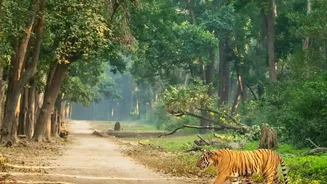
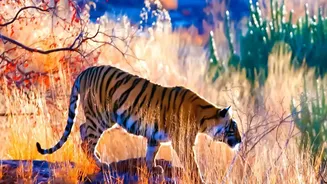
and the park's wildlife to breed and roam undisturbed. As of mid-October, the core safari routes reopen to the public. Visitors this season can expect a landscape that is exceptionally lush and green, with full waterholes attracting a variety of animals. The damp soil makes tracking pugmarks easier, and the post-monsoon period often yields active wildlife sightings as animals re-establish their territories.
Choosing Your Trail: Core vs. Buffer Zones
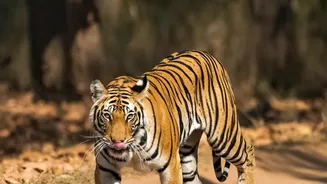
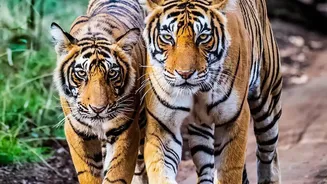
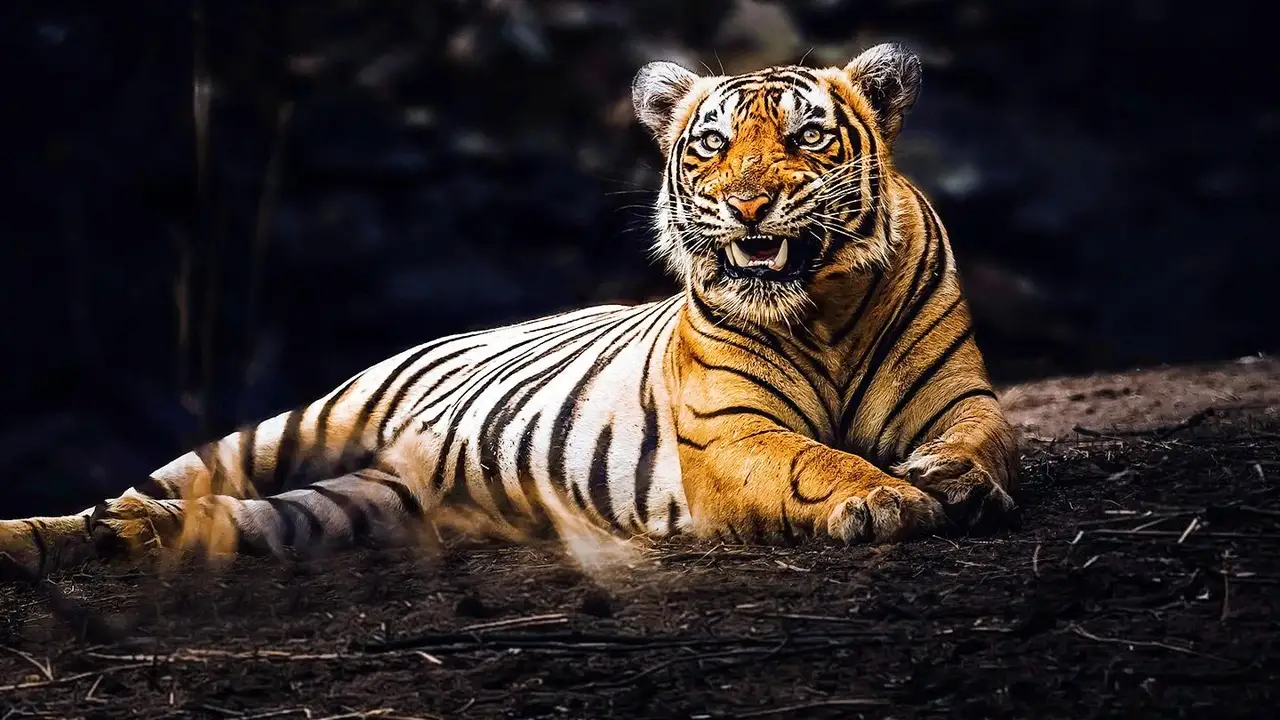
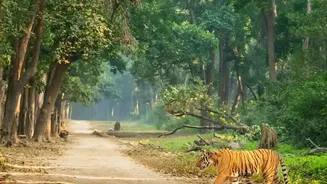
Bandhavgarh is divided into core and buffer zones, each offering a distinct safari experience. The three primary core zones—Tala, Magadhi, and Khitauli—are the main draws, boasting one of India's highest densities of Bengal tigers. Tala, the oldest zone, is famed for its mix of dense Sal forests, grasslands, and the historic Bandhavgarh Fort. Magadhi is known for its rich wildlife and dense forest cover, while Khitauli offers a more open landscape ideal for spotting varied fauna, including birds and Blue Bulls (Nilgai). The buffer zones, including Panpatha, Dhamokhar, and Johila, offer quieter trails that are often open even during the monsoon. These areas are perfect for birdwatching and experiencing the wider forest ecosystem with fewer crowds. Exploring these buffer trails can offer a more serene, off-the-beaten-path adventure.
Beyond the Jeep: Walking and Hiking Trails
While jeep safaris are the primary way to explore the park, the headline's promise of "trails" extends to more than just vehicle tracks. One of the most unique experiences is the guided hike to the 2,000-year-old Bandhavgarh Fort. This trek begins in the Tala Zone and ascends roughly 800 meters, offering panoramic views of the entire reserve. Accompanied by a registered guide, this walk takes you through the heart of the park, past ancient caves and a remarkable reclining Vishnu statue carved from rock. Additionally, many lodges and local operators offer guided nature walks and cycling trails in the buffer areas, allowing for a slower, more immersive way to appreciate the flora, fauna, and local village life surrounding the park.
Planning Your Safari This Season
Booking your safari well in advance is crucial, as permits are limited and sell out quickly. Safari permits can be booked online through the Madhya Pradesh Forest Department website, typically up to 120 days in advance. The season from October to February offers pleasant weather, with cool mornings perfect for comfortable safaris and birdwatching. For those prioritising tiger sightings, the hotter months of April and May are often recommended, as wildlife congregates around the few remaining waterholes. When booking, you will need to choose a specific zone and time slot (morning or evening). Each safari jeep accommodates up to six visitors, and you must carry the same identification used for the online booking.
A Hub for Responsible Tourism
Bandhavgarh's popularity has cemented its status as a cornerstone of wildlife conservation in India, earning it a place on The New York Times' '52 Places to Go' list for 2026. This global recognition highlights the park's success in protecting its tiger population. As a visitor, you play a role in this ongoing effort. Always follow your guide's instructions, maintain a safe distance from wildlife, and do not carry firearms or leave any litter inside the park. Supporting local communities by purchasing bamboo handicrafts or visiting villages with a registered guide can also enhance your trip while contributing positively to the regional economy. Respecting the park's rules ensures that these incredible trails remain open and wild for generations to come.