




Beyond Butter Chicken: What is 'Tribal' Cuisine?
When we say 'tribal dining', we're not talking about a fleeting trend. We're talking about the rich, diverse, and often overlooked food traditions of India's indigenous communities. This is hyper-regional food in its purest form. Think of dishes from
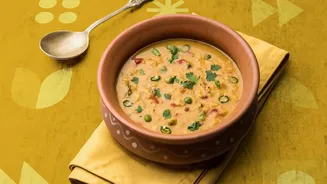
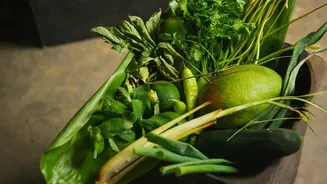
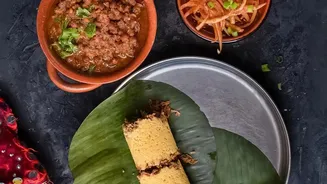
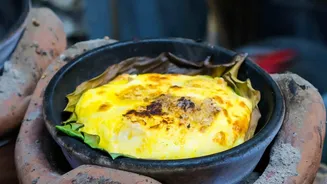
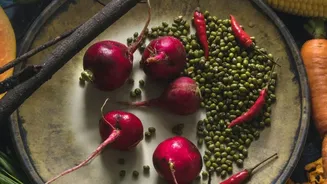
Nagaland, where smoked pork is cooked with bamboo shoots and the fiery Bhut Jolokia chilli. Or consider the earthy, nutritious meals from Jharkhand and Odisha, often featuring foraged greens, unique millets, and slow-cooking techniques like meats steamed inside bamboo. These cuisines are deeply connected to the land and seasons, offering flavours that are bold, rustic, and profoundly different from mainstream restaurant fare. For generations, these foodways have remained largely within their communities, but that’s beginning to change.
The Dark Kitchen Advantage
So, why now? The rise of the 'dark kitchen'—also known as a cloud or ghost kitchen—is the game-changer. These are delivery-only establishments with no physical storefront or seating. This model drastically cuts down on the enormous costs of rent and front-of-house staff associated with traditional restaurants. This lower financial barrier makes it possible for passionate chefs and small entrepreneurs to launch businesses focused on niche cuisines that might not attract enough footfall in a high-street location. For purveyors of tribal food, it means they can focus their resources on what matters most: sourcing authentic ingredients and perfecting generations-old recipes.
A Culinary Passport from Your Couch
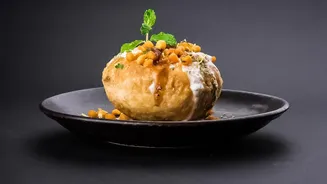
For busy professionals in cities like Mumbai, Delhi, and Bengaluru, this trend offers a genuine escape. After a long day, the ability to journey through the hills of Meghalaya or the forests of Central India via your dinner plate is a powerful form of relaxation. It’s an opportunity for discovery without the travel. These dark kitchens are serving up more than just food; they are delivering stories and culture. Menus often feature dishes like Naga Pork Thali, Bamboo Mutton from Odisha, or millet-based meals that have been staples for centuries but are new to urban palates. This isn't just about trying something new; it's about connecting with the vast, incredible diversity of India's culinary heritage.
Building a Digital Tribe of Foodies
The 'tribal' aspect extends beyond the food itself. Without a physical restaurant, these brands build their communities—their 'tribes'—online. Through social media, they share the stories behind their dishes, introduce unique ingredients like black rice or fermented soybeans, and connect with a growing audience of adventurous eaters. Customers are no longer just consumers; they become part of a community that values authenticity and discovery. Ordering from a kitchen dedicated to Khasi or Santhali food becomes an act of cultural appreciation, a vote for preserving culinary biodiversity. This digital word-of-mouth is crucial for helping these small, specialised kitchens thrive amidst the giants of food delivery.
Is It All Hype?
Of course, the model isn't without its challenges. The biggest hurdle for these businesses is visibility on crowded food aggregator apps, where they compete with big chains and heavily discounted menus. For customers, discovering these hidden gems can require a bit of searching beyond the usual recommendations. Maintaining the integrity and freshness of a slow-cooked, complex dish through the delivery process is another operational challenge. However, the growing number of successful Naga, Odia, and other regional cloud kitchens in major metros suggests a strong and growing appetite. The response from city dwellers has been overwhelmingly positive, proving that a demand for authentic, rooted, and story-rich food exists.