

Beyond the Annual Special
For years, Indian restaurants have marked major festivals with special menus. A Diwali sweet selection, a Navratri sattvic thali, or an Onam sadhya for a couple of days. While popular, these have largely been temporary additions. Now, a more focused trend
is emerging: establishments that dedicate their core identity to the intricate food culture of a single festival. These aren't just restaurants; they are immersive cultural destinations offering a year-round celebration. The concept moves beyond a simple tasting menu to a deep dive into the specific rituals, ingredients, and communal spirit associated with a particular festival's culinary traditions. This approach allows chefs to explore the nuances of festive cuisine, from sourcing specific regional ingredients to mastering complex, multi-course meals that are typically only prepared at home or in community gatherings.
The Onam Sadhya, Every Day
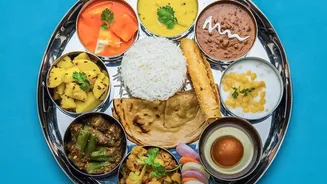
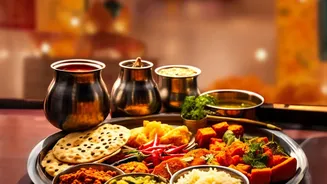
The Onam sadhya is perhaps the most prominent example of this trend. This grand vegetarian feast from Kerala, traditionally served on a banana leaf with over 20 dishes, is a celebration of the harvest festival. Restaurants like Kappa Chakka Kandhari in Chennai and Bengaluru have become famous for their authentic Onasadhya, which they offer as a signature experience. While many restaurants across India, from local eateries to five-star hotels like ITC and JW Marriott, offer elaborate sadhya feasts during the ten-day Onam festival, a few are making it a more permanent fixture. This allows diners to experience the meticulous arrangement of dishes—from pickles like inji puli to staples like avial and thoran, finishing with multiple payasams—any time they crave it, outside the narrow festive window.
The Soul of Durga Puja's Bhog
Similarly, the food of Durga Puja, particularly the community meal known as 'bhog', is finding a permanent place on menus. The traditional bhog, often featuring khichuri, labra (a mixed vegetable dish), and tomato chutney, is a cherished vegetarian meal for Bengalis. While pandals are the epicentre for this food during the festival, some restaurants are capturing its essence year-round. For many, this food is not just a recipe but a concept tied to nostalgia and sanctity. Restaurants like Esplanade in Bengaluru specialize in Bengali cuisine that evokes these specific festive memories, even if they don't explicitly label the dishes as 'bhog' out of reverence for the term's religious association. They focus on recreating the homestyle flavours that define the Pujo experience for millions.
A Hunger for Authenticity and Connection
What's driving this trend? It's a combination of diner sophistication and a deep-seated craving for authenticity. Urban Indians are increasingly looking for dining experiences that tell a story and connect them to their roots. In a world of fleeting food fads and fusion cuisine, a meal that is deeply rooted in a specific cultural tradition offers a powerful sense of nostalgia and comfort. For many living away from home, being able to eat a proper sadhya or a plate of Pujo-style khichuri is a way to reconnect with family traditions and festive memories. These restaurants serve more than just food; they serve a feeling of homecoming. This movement towards hyper-regional and specific culinary traditions reflects a broader desire to preserve and celebrate the diversity of Indian food.
An Immersive Cultural Experience
These festival-focused restaurants understand that the experience is about more than what's on the plate. They often incorporate traditional decor, music, and even serving styles to create a truly immersive atmosphere. At some Onam feasts, chefs in traditional attire personally serve each course, explaining the significance of the dishes. For Durga Puja-inspired meals, the ambiance might subtly echo the festive energy of a pandal. This holistic approach transforms a simple meal into a cultural event, offering a deeper understanding of the festival itself. It’s a chance to partake in the rituals and the community spirit of a celebration, making it accessible to those who may not otherwise have the opportunity.