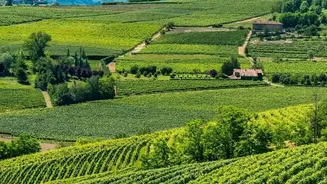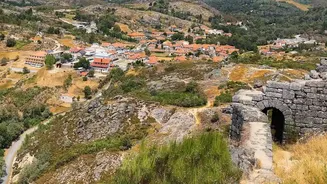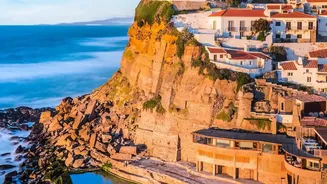



Beyond the vibrant streets of Lisbon and the sun-soaked Algarve coast lies a different Portugal—one of rolling hills, ancient traditions, and deep connections to the land. This is a straightforward guide to its celebrated vineyards and quiet farmlands.
The Douro Valley: A River of Wine
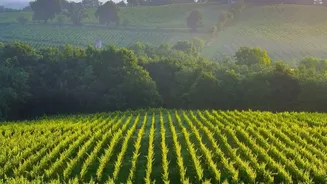
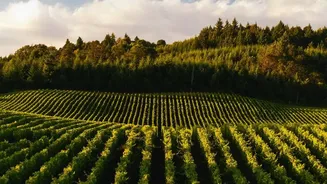
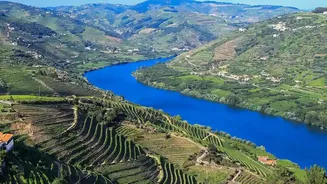
The Douro Valley is arguably Portugal's most breathtaking agricultural landscape and one of the world's oldest demarcated wine regions. For centuries, its steep hills have been hand-carved into terraced vineyards that cascade down to the Douro River. Famous primarily for Port wine, the region now also produces a stunning variety of unfortified red and white table wines. A visit here is incomplete without a tour of a 'quinta', or wine estate. Many offer guided walks through the vineyards, cellar tours explaining the production process, and, of course, tastings. Some of the best experiences are found at family-run properties where you can learn about the history and craft directly from the producers. Beyond the wineries, a river cruise offers a magical perspective of the landscape, while the Linha do Douro railway provides another scenic way to traverse the valley. The main hubs, Peso da Régua and Pinhão, serve as excellent starting points for exploring the surrounding area.
Alentejo: Golden Plains and Ancient Oaks
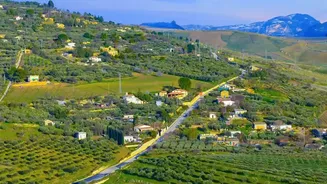
Stretching south from the Tejo River, the Alentejo region covers nearly a third of Portugal and offers a completely different agricultural tapestry. Instead of steep terraces, you'll find vast, rolling plains painted in gold with wheat fields, silvery-green with olive groves, and dotted with iconic cork oak trees. This is the heartland of Portugal's cork production, supplying more than half of the world's supply. Farm tours here often include demonstrations of how cork is sustainably harvested from the ancient oaks. The Alentejo is also a major producer of olive oil, and many estates offer tours of their olive presses followed by tastings. While it produces robust red and crisp white wines, the region's agricultural identity is much broader. The pace of life here is noticeably slower, making it the perfect place for an 'agroturismo' or farm stay experience, where you can stay on a working estate, known as a 'herdade'. These stays provide an authentic immersion into rural life, often featuring farm-to-table meals and opportunities to participate in farm activities.
Minho: The Land of 'Green Wine'
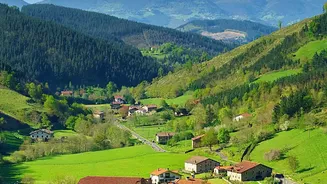
In the lush, green northwestern corner of Portugal lies the Minho region, the home of Vinho Verde. The name, meaning 'green wine,' refers not to its color but to its youth, as these wines are meant to be enjoyed fresh. They are typically light, crisp, and often have a slight effervescence, making them incredibly refreshing. The landscape here is distinct, characterized by its verdant fields and the unique way vines are trained high off the ground on trellises and pergolas to protect them from the damp climate. The Vinho Verde route takes you through a patchwork of small farms and historic estates. The region, influenced by the Atlantic, is also home to charming, historic towns like Arcos de Valdevez and Melgaço, the latter being famous for its high-quality Alvarinho wines. A visit to a quinta in Minho might include a tasting of different Vinho Verde styles, paired with local cheeses and seafood, offering a true taste of northern Portugal's unique terroir.
Practical Tips for Your Countryside Journey
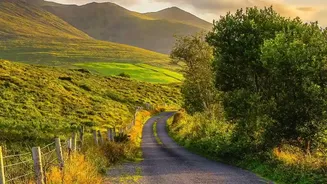
To truly experience rural Portugal, renting a car is almost essential. It gives you the freedom to explore winding back roads, discover hidden villages, and access the more remote quintas and herdades. Accommodations in the countryside are a huge part of the experience. Look for 'agroturismo' properties, quintas, or 'turismo rural' homes for an authentic stay. These often range from rustic farmhouses to elegant manor homes, and many invite guests to dine with the family or participate in daily farm life. The best time to visit depends on what you want to see. Autumn is harvest season for both grapes and olives, offering a chance to see production in full swing. Spring brings wildflower-covered fields, while summer is hot and dry, especially in the Alentejo. No matter the region, be sure to indulge in the local cuisine. The food is inseparable from the land, with each area boasting its own specialities, from fresh river fish in the Douro to hearty black pork dishes in the Alentejo.