




The Desert's Double-Edged Sword
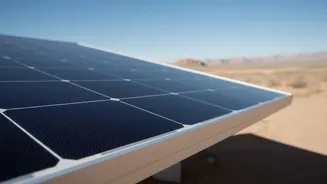
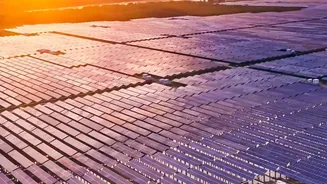
On paper, deserts are the perfect locations for large-scale solar farms. They offer vast, open spaces with some of the highest levels of solar irradiation on the planet. This abundance of sunlight should translate to maximum energy generation. However,
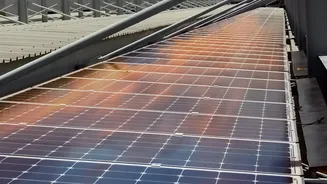
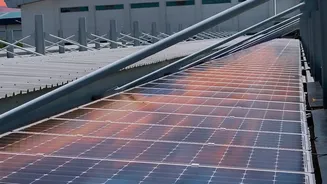
the reality is far more complex. The same conditions that make deserts sun-rich also make them incredibly hostile to the sophisticated technology of photovoltaic (PV) panels. Extreme heat is a primary culprit; most solar cells operate best around 25°C, but in desert environments where temperatures can soar, panel efficiency can drop by 10-25%. This prolonged heat also accelerates the aging of panel components, potentially shortening their 25-year lifespan by several years. Then there is the physical assault from the environment itself. Frequent sandstorms blast the panels, with tiny, sharp grains of sand acting like sandpaper. This can scratch and damage anti-reflective coatings, permanently reducing their ability to absorb light. The dust that settles after these storms can slash energy output by a staggering 20-30% in just a month if left uncleaned. The cleaning itself presents another problem in water-scarce regions.
Nature’s Own Sunscreen: Melanin
Faced with these challenges, scientists are looking to nature for a resilient, multi-purpose solution. The inspiration comes from melanin, the pigment that gives color to our skin, hair, and eyes. In humans, melanin is the body’s first line of defense against the sun. It works by absorbing harmful ultraviolet (UV) radiation and safely dissipating this energy as harmless heat, preventing it from penetrating deeper and damaging our cellular DNA. This incredible protective property has made researchers wonder: if melanin can protect our delicate skin, could a synthetic version protect a solar panel? The idea is compelling because melanin is a complex polymer with a range of desirable traits. It has been shown to absorb energy across the entire light spectrum, resist high temperatures, and even shield against ionizing radiation. This makes it a fascinating candidate for developing a new class of protective coatings.
From Biology to Bio-Synthetic Material
You can’t simply take melanin from a person and paint it on a solar panel. The key is creating a 'bio-synthetic' version in the lab. Researchers have been developing methods to chemically synthesize melanin or produce it using genetically modified bacteria. These synthetic melanins, like eumelanin, can be engineered to emphasize certain properties. For example, some forms are exceptionally good at converting high-energy photons into heat, precisely the function needed to protect against UV degradation. The process involves creating a solution or a composite material containing these melanin nanoparticles. This could then be applied as a thin, transparent film or coating over the solar panel's glass surface. Researchers in Mexico, for instance, have experimented with combining melanin with porous silicon, finding it enhanced the material's optical properties and response to light. The goal is to create a coating that is not only protective but also scalable and affordable for industrial use.
A Multi-Function Protective Shield
A melanin-based coating offers the promise of tackling multiple desert-related problems at once. Its primary function would be as a powerful UV shield. By absorbing the most damaging high-energy radiation, the coating would prevent the slow degradation of the panel's internal components and encapsulating materials, extending the installation's operational life. Secondly, its ability to dissipate energy as heat could play a role in thermal management, though the primary benefit is in radiation shielding. Some studies have also explored melanin's electrical properties, suggesting it might even contribute to enhancing energy storage or transfer in certain configurations. While other advanced coatings are also in development, many focusing on being 'hydrophobic' (water-repelling) to shed dust, the bio-inspired approach of melanin is unique. Its potential to offer robust, passive protection against radiation, heat, and possibly even abrasion makes it a highly attractive area of research for bolstering the durability of our critical renewable energy infrastructure.