







A Craving for Authenticity and Regional Roots
Diners in 2026 are looking for more than just a quick meal; they want a story and a connection. There is a growing appetite for authentic, regional cuisines that go beyond the standard butter chicken and biryani that long dominated mainstream menus. Consumers
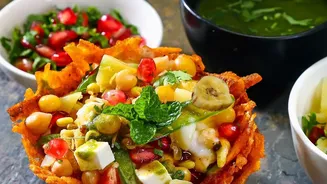
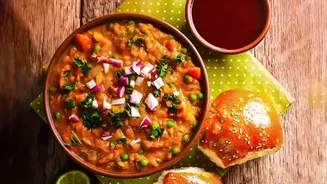
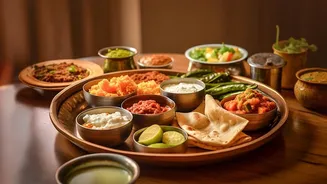
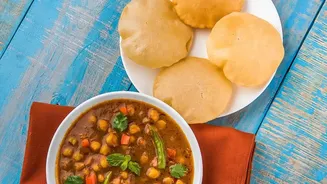
are actively seeking out the distinct flavours of India's diverse culinary traditions, from Kerala's seafood to hyper-regional thalis. This search for authenticity has created a fertile ground for smaller brands, which are often better positioned to specialize in specific regional cuisines. These brands are finding success not by imitating global trends, but by confidently asserting the depth of their own culinary heritage. The new luxury in dining is no longer about imported ingredients, but about provenance and the unique story behind a dish.
Technology: The Great Equalizer
The rise of smaller food brands would be impossible without technology acting as a powerful enabler. Cloud kitchens, also known as ghost or virtual kitchens, have been a game-changer. These delivery-only models slash the high overhead costs associated with traditional brick-and-mortar restaurants, such as rent and front-of-house staff. This lower barrier to entry allows passionate chefs and entrepreneurs to launch a brand with significantly less capital. Coupled with the vast reach of online food delivery platforms like Zomato and Swiggy, these small players can access a broad customer base that was once only available to large chains. Social media and hyperlocal delivery apps further level the playing field, allowing niche brands to build a loyal following and reach customers in their immediate vicinity with unprecedented speed.
The Rise of the Cloud Kitchen Conglomerate
The cloud kitchen model itself is evolving. While many start as single-brand operations, a key trend is the emergence of multi-brand cloud kitchens. A single company can operate several different virtual brands from one kitchen, each catering to a specific craving or cuisine—be it pizza, healthy salads, or regional specialties. This strategy allows businesses to diversify their offerings and capture a wider slice of the market without a proportional increase in costs. Data analytics from delivery apps play a crucial role here, helping operators understand local preferences, predict demand, and optimize their menus for peak efficiency. This nimble, data-driven approach gives smaller, tech-savvy companies an edge over larger, more cumbersome legacy restaurant groups.
Shifting Consumer Priorities
Today's diners are more conscious and discerning than ever. There is a growing emphasis on health, wellness, and transparency. Consumers are increasingly interested in fresh, high-quality ingredients and are seeking out vegetarian, vegan, and high-protein options. Smaller brands, with their shorter supply chains and direct-to-consumer models, can often provide this transparency more effectively than massive corporations. They can tell a clear story about where their food comes from and how it's prepared. Furthermore, the motivation for ordering in has shifted. It's not just about convenience; it's about seeking comfort, specific cravings, and unique experiences. Small brands excel at creating these emotional connections and serving niche tastes that larger brands may overlook.
What This Means for the Big Players
The established giants of the food industry are not standing still. They are taking notice of this grassroots shift. Some are responding by acquiring successful smaller brands to bring their innovation and loyal customer base into the fold. Others are launching their own 'challenger' brands or sub-brands that mimic the feel of a smaller, more focused operation. The success of regional players like Balaji has shown that even in a crowded market, there is room for brands with a strong local identity to grow significantly. The overarching message is clear: the one-size-fits-all approach is losing its appeal. The future of the Indian restaurant industry lies in a more diverse, fragmented, and localized market where authenticity, agility, and a direct connection with the consumer are the keys to success.