
The Kitchen with No Tables
First, let's clarify what a 'dark kitchen'—also known as a cloud or ghost kitchen—actually is. Imagine a restaurant with no dining room, no waiters, and no storefront. It's a professional cooking facility designed purely for delivery. By shedding the
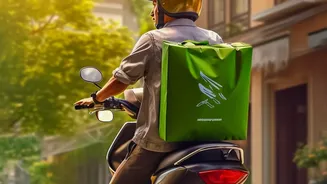
enormous costs of prime real estate, interior decor, and front-of-house staff, entrepreneurs can launch a food business with a much lower initial investment. This lean model, which gained significant momentum during the pandemic, allows operators to focus on one thing: the food. The business operates from a licensed kitchen, often in a low-rent area, and reaches customers exclusively through platforms like Zomato and Swiggy or their own direct channels. This setup has fundamentally changed the economics of the food industry.
A Renaissance of Regional Flavours
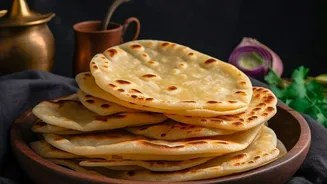
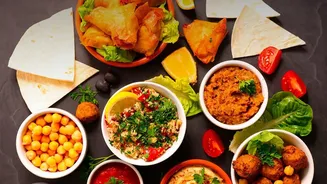
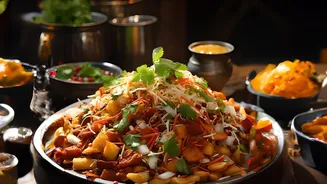
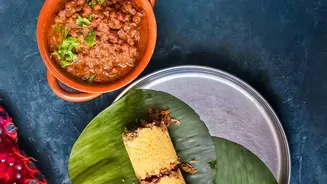
The real magic of this model lies in the diversity it unlocks. Traditional restaurants often stick to mainstream, crowd-pleasing menus to ensure footfall and justify high overheads. Cloud kitchens, however, face less financial risk, making them the perfect launchpad for niche and regional culinary concepts. This has sparked what many are calling a 'tribal culinary revolution'. Suddenly, city dwellers can access authentic Odia meals, Naga delicacies, or Malwani coastal fare that was previously confined to home kitchens or specialty restaurants in specific neighbourhoods. For example, a cloud kitchen in Delhi called Rosei Ghara is dedicated to bringing traditional, lesser-known Odia food to a wider audience, something that would be a significant gamble for a full-fledged restaurant. These micro-outlets act as cultural ambassadors, preserving and sharing culinary heritage one delivery at a time.
Driven by Data and Passion
This isn't just about passionate chefs taking a leap of faith; it's a data-driven movement. Food delivery platforms provide a treasure trove of information about consumer searches and cravings. An entrepreneur can identify a gap in the market—for instance, a high number of searches for authentic Goan food in a specific Bengaluru suburb—and create a virtual brand to meet that exact demand. Many successful operators run multiple 'virtual brands' from a single kitchen, further diversifying their offerings and maximizing efficiency. One kitchen might house a brand for North Indian curries, another for healthy salads, and a third for regional thalis, all sharing ingredients and staff to keep costs down while catering to varied tastes.
The Challenges on the Menu
Despite the promise, the path for a cloud kitchen is not always smooth. The low barrier to entry has created a hyper-competitive market. Gaining visibility on crowded delivery apps often requires significant spending on ads and discounts, which eats into already thin margins. A major challenge is the heavy dependence on aggregator platforms, which can charge commissions of 20-30% on every order. This dependency makes profitability a constant struggle. Furthermore, without a physical space, building a strong brand identity and fostering customer loyalty is incredibly difficult. Quality control and ensuring food arrives fresh and hot after a journey through city traffic are other persistent operational hurdles.
Redefining the Urban Dinner Plate
The rise of the micro-cloud kitchen is more than a business trend; it's a fundamental shift in urban food culture. It challenges the very definition of a 'restaurant' and alters consumer behaviour. The convenience of having a world of cuisines, especially hyper-local Indian ones, available at the tap of a button is changing how people eat. This model democratizes the food industry, allowing home chefs, culinary experts, and small-time entrepreneurs to compete with established giants. It fosters a more diverse, vibrant, and accessible food landscape where authenticity and niche appeal can not only survive but thrive. The culinary map of India's metros is being redrawn, not in streets and bylanes, but on the screens of our smartphones.