


The Real Risk: Chemicals and Heat
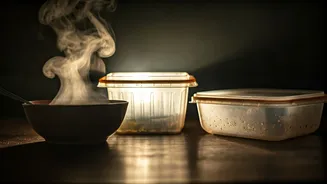
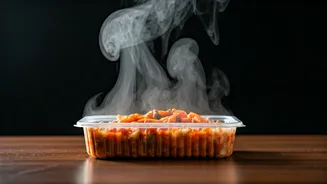
The primary concern with heating plastics is the potential for chemical leaching. When plastic is heated, it can release certain chemicals into the food it holds. Two of the most commonly discussed chemicals are Bisphenol A (BPA) and phthalates. These
are known as endocrine-disrupting chemicals, meaning they can interfere with the body's hormonal systems. Studies have linked exposure to these chemicals to a range of health concerns, including reproductive issues, developmental problems in children, and an increased risk for certain cancers. The process of chemicals migrating into food is accelerated by heat, and it is particularly pronounced with fatty or oily foods. Furthermore, recent research has highlighted that heating plastic can also cause the release of millions of microplastic and nanoplastic particles directly into your meal.
What Does 'Microwave-Safe' Actually Mean?
Many people look for the "microwave-safe" label as a sign of safety, but its meaning is often misunderstood. This label, often shown as three wavy lines, primarily indicates that the container is resistant to the heat of the microwave. It means the plastic will not warp, melt, or break down structurally when heated. However, it does not guarantee that no chemicals will leach into your food. While regulatory bodies like the U.S. FDA oversee the safety of these plastics, the label is more about the container's durability than absolute chemical safety for your health. Some safer plastics, like polypropylene (marked with a #5), are often recommended for use with hot food as they have a high melting point and are typically BPA-free. However, even BPA-free plastics may contain other bisphenols that are also concerning.
When to Be Extra Cautious
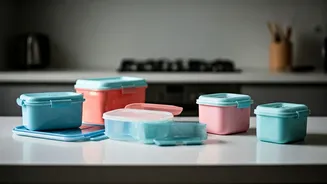
Not all plastic containers are created equal, and some situations pose a higher risk. You should never heat food in single-use plastic containers, such as those used for yogurt, margarine, or takeout, unless they are explicitly marked as microwave-safe. These containers are not designed to withstand high temperatures and can warp or melt, increasing chemical migration. It is also wise to discard any plastic containers that are visibly damaged, scratched, or old, as the breakdown of the material can make leaching more likely. In India, the Food Safety and Standards Authority of India (FSSAI) has specific regulations for food-grade plastics, banning the use of recycled plastics for packaging or storing food unless they meet stringent new guidelines.
Safer Alternatives for Your Peace of Mind
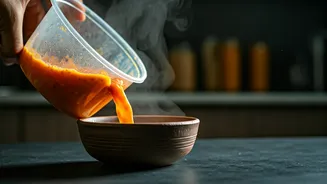
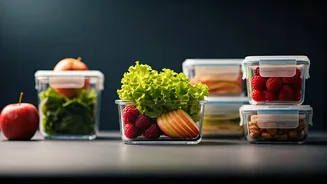
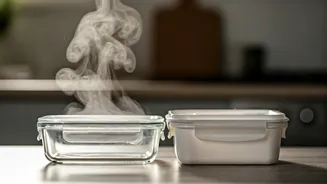
The simplest way to avoid potential risks is to switch to alternative materials for storing and reheating food, especially hot meals. Glass and ceramic containers are excellent choices as they are stable at high temperatures and do not leach chemicals into your food. They are widely available, durable, and generally safe for use in both microwaves and conventional ovens. Stainless steel is another great option for storing hot food, though most stainless steel containers cannot be placed in a microwave. When you get takeout food in a plastic container, a good practice is to transfer the food to a glass or ceramic dish before you reheat it.
Simple Steps for Safer Food Handling
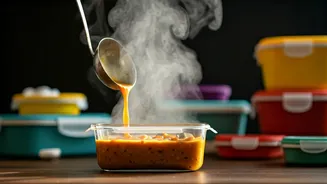
Adopting safer habits doesn't require a complete kitchen overhaul. Start with a few small, manageable changes. If you must use plastic, let your food cool down before storing it in the container to minimize contact time with heat. Always check for a #5 recycling code (polypropylene) for a generally safer plastic option. Avoid covering your food with plastic wrap in the microwave, as condensation can cause chemicals to drip into your meal; use a paper towel or a glass lid instead. When possible, opt for fresh and frozen foods over canned versions to reduce exposure to the BPA that can be found in the lining of some cans. By being mindful of these small details, you can significantly reduce your exposure to potentially harmful chemicals from plastics.