




Meet the Moong Dal Dosa
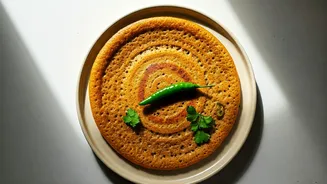
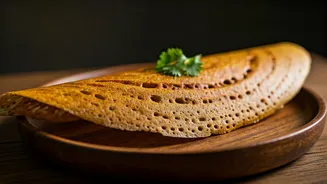
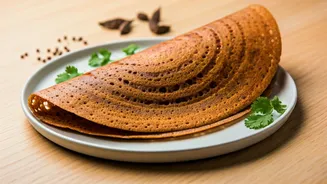
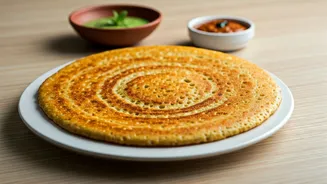
Let's cut to the chase. The dosa that has nutritionists nodding in approval and fitness enthusiasts lining up is the Pesarattu, or as it’s more simply known, the moong dal dosa. Hailing from the culinary heartland of Andhra Pradesh, this vibrant green
crepe is not made from the traditional rice and urad dal batter. Instead, its hero ingredient is whole green gram (sabut moong dal), a legume celebrated across India for its incredible health benefits. Unlike its popular cousin, the Pesarattu batter doesn't require fermentation, making it a quick, convenient, and nutritionally dense alternative that doesn't compromise on flavour.
The Nutritional Powerhouse
So, why the excitement? The switch from a rice-based batter to a lentil-based one completely transforms the nutritional profile. A standard rice dosa is primarily a source of simple carbohydrates, which can cause blood sugar spikes. The moong dal dosa, however, is a protein powerhouse. Protein is essential for muscle repair, satiety (keeping you full for longer), and maintaining a healthy metabolism. Furthermore, moong dal is rich in dietary fibre, which aids digestion, promotes gut health, and helps manage cholesterol levels. It also boasts a lower glycemic index, meaning it releases sugar into the bloodstream more slowly, providing sustained energy without the crash. This makes it an excellent choice for diabetics, weight watchers, and anyone looking for a truly nourishing meal.
More Than Just Healthy
Health benefits are great, but food must also delight the senses. The Pesarattu delivers on this front with a unique, delicious flavour. It has an earthy, slightly nutty taste that is distinctly different from a regular dosa. The texture is hearty yet crisp, especially when cooked thin on a hot tawa. Traditionally, it is served with a fiery and tangy ginger chutney (Allam Pachadi), which is specifically designed to complement the earthy notes of the green gram. For a truly decadent experience, look for the 'MLA Pesarattu'—a version stuffed with savoury upma, finely chopped onions, and green chillies, creating a complete and satisfying meal in itself. It proves that healthy food doesn't have to be a compromise; it can be an upgrade.
The No-Ferment Advantage
One of the most practical benefits of the moong dal dosa is its simplicity. Traditional dosa batter requires a carefully timed process of soaking, grinding, and overnight fermentation. While fermentation adds its own probiotic benefits, it also requires planning. The Pesarattu batter, on the other hand, is practically instant. You simply need to soak the moong dal for a few hours (or as little as 3-4 hours if using hot water), grind it into a smooth paste with ginger, green chillies, and salt, and your batter is ready to go. This makes it an incredibly versatile option for a quick weeknight dinner, a lazy Sunday brunch, or a power-packed breakfast to start your day right.
Making It Your Own
The beauty of the moong dal dosa lies in its adaptability. While the basic recipe is fantastic on its own, it’s a wonderful canvas for culinary creativity. When grinding the batter, you can add a handful of fresh coriander or mint for extra flavour and nutrients. Before spreading the batter on the pan, sprinkle some finely chopped onions, grated carrots, or even crumbled paneer to boost its taste and nutritional value. Some recipes even incorporate a small amount of rice flour or oats into the batter to achieve a crispier texture. Feel free to experiment to find the version that you and your family love the most. It’s a forgiving recipe that rewards a little bit of experimentation.