
From Ancient Ritual to Cafe Staple
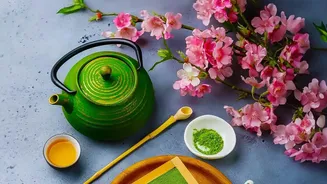
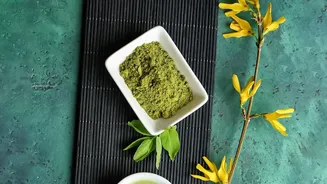
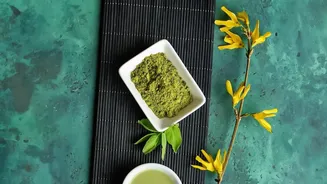
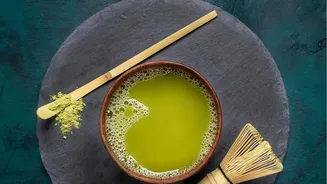
For centuries, matcha has been the heart of traditional Japanese tea ceremonies, a symbol of mindfulness and tranquility. Unlike regular green tea where leaves are steeped and discarded, matcha involves consuming the entire stone-ground leaf, delivering
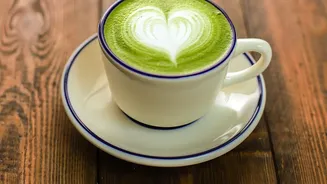
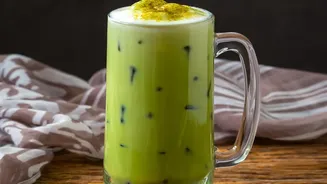
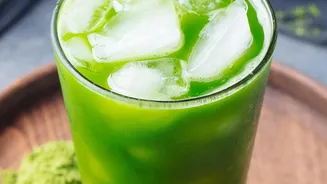
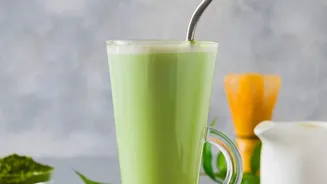
a potent dose of antioxidants and a calm, focused energy. Its unique flavour profile—a complex blend of earthy, umami, and slightly bitter notes—set the stage for its global journey. In India, particularly among health-conscious millennials and Gen Z, matcha's reputation as a superfood has driven its popularity. It first appeared in cities like Bengaluru as a trendy, Instagrammable alternative to coffee, with cafes serving everything from classic hot matcha to lattes swirled with strawberry or rose.
The Sweet Surrender: Matcha in Desserts
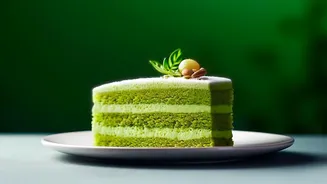
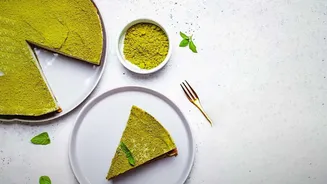
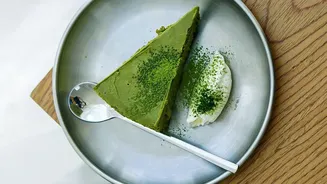
The true sign of matcha’s deepening roots in Bengaluru is its migration to the dessert counter. Its vibrant colour and complex taste make it a creative ingredient for pastry chefs. Bakeries and dessert bars across the city are now offering a stunning array of green-tinted treats. Patisseries like Magnolia Bakery have introduced limited-time matcha specials, while others offer matcha-infused cakes, cupcakes, and cookies as standard fare. More inventive creations include matcha tiramisu, matcha cheesecakes at places like Harima, and even matcha mochi ice cream, which offers a delightful chewy texture and earthy flavour. One recent viral sensation is the Mont Blanc-style matcha 'noodle' ice cream, where fine strands of matcha-infused cream are extruded over a soft-serve base, creating a dessert that is as visually striking as it is delicious.
A Bold New Frontier: Savoury Dining
While sweet applications are becoming common, the most adventurous front for matcha is in savoury dining. Chefs are discovering that its umami undertones can complement a wide range of dishes. While still a niche trend, hints of this are appearing globally and inspiring local experimentation. Ideas range from matcha-infused pasta and gnocchi to using the powder in marinades, sauces, and dressings like a matcha aioli. Some chefs have even experimented with fusing it into traditional Indian recipes, creating dishes like matcha-wasabi pakoras or even a conceptual matcha masala dosa. These creations leverage matcha’s ability to balance flavours, adding an earthy depth that cuts through richness and spice, proving its versatility extends far beyond lattes and cakes.
Why Matcha, and Why Now?
Several factors are fuelling Bengaluru’s matcha moment. The city’s diners are increasingly adventurous and health-conscious, seeking out novel flavours and functional foods. Matcha fits perfectly, offering both a unique taste and wellness benefits like antioxidants and the calming amino acid L-theanine. Furthermore, its striking green colour makes it incredibly photogenic, a key attribute in the age of social media where food trends are often driven by visual appeal. The rise of specialised micro-bars like Sakura Matcha Bar, which focus on serving high-quality ceremonial-grade matcha, has also educated the city’s palate, creating a demand for more authentic and creative applications. This trend is part of a broader movement towards appreciating high-quality, ingredient-led experiences in the city's dynamic food scene.