




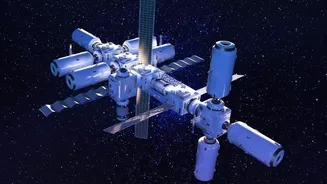
The End of an Era for the ISS
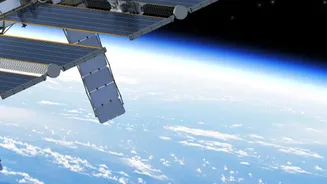
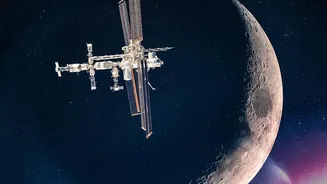
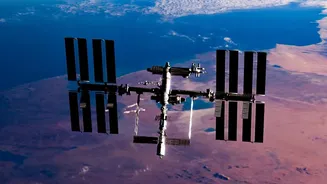
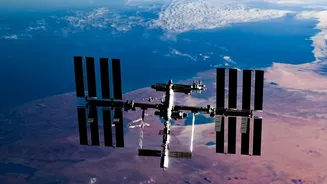
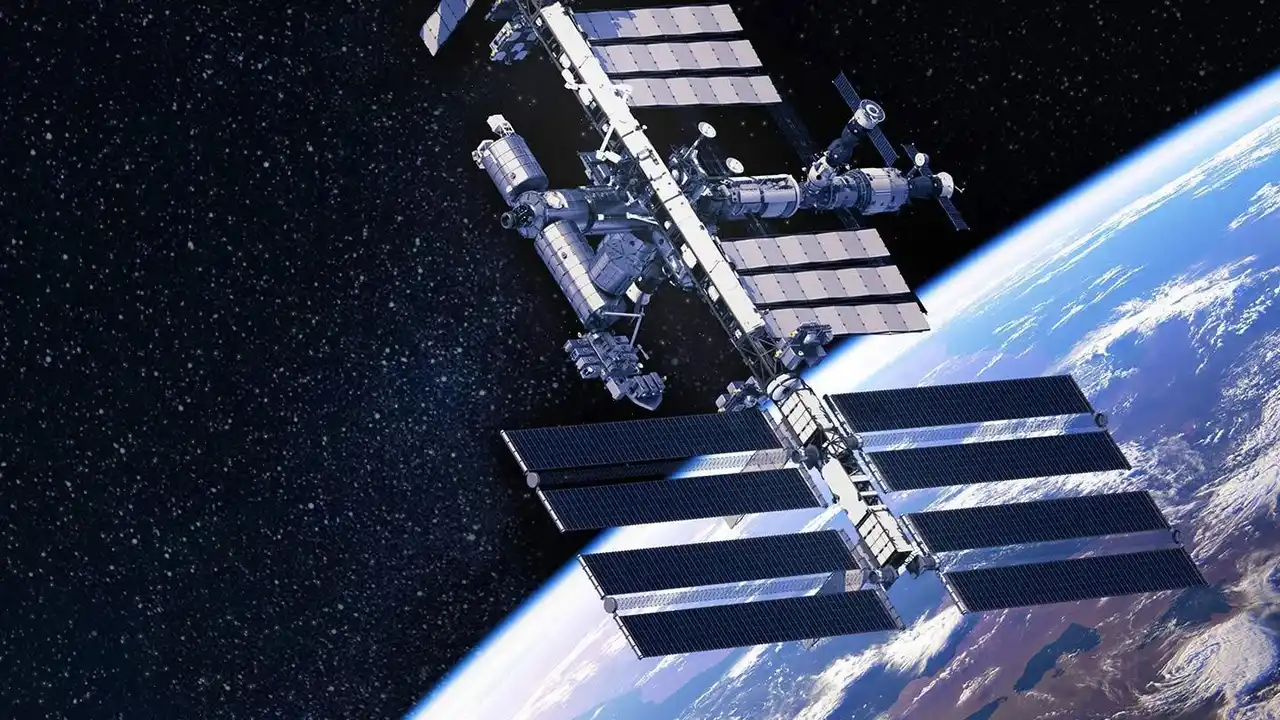
The International Space Station stands as one of human history's greatest engineering and diplomatic achievements, a continuously inhabited laboratory in the sky since November 2000. But the orbiting outpost is getting old. Originally designed for a 15-year
lifespan, it is now showing signs of age, such as small air leaks and structural stress. Maintaining the station costs NASA nearly $3 billion per year. Faced with rising costs and an aging structure, NASA and its international partners plan to guide the ISS to a controlled and fiery end over a remote part of the Pacific Ocean around 2030. This retirement marks a pivotal moment, ending the era of a single, government-run station and opening the door for a new commercial chapter in low-Earth orbit (LEO).
NASA's New Strategy: Become a Customer
Instead of building a direct replacement, NASA is fostering a new commercial space economy. Through its Commercial Low Earth Orbit Destinations (CLD) program, the agency is investing hundreds of millions of dollars to help private companies develop their own space stations. The goal is for NASA to become just one of many customers, buying services like research time and astronaut accommodation from these commercial providers. This strategy mirrors the success of its commercial cargo and crew programs, which used private companies like SpaceX to resupply and transport astronauts to the ISS, saving taxpayer money and stimulating private industry. By offloading the cost of owning and operating a space station, NASA can free up its budget to focus on deep space exploration, like the Artemis missions to the Moon and Mars.
Meet the New Neighbourhood in Orbit
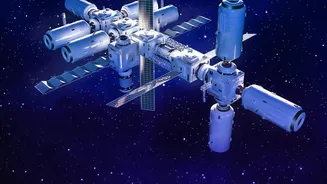
Several companies are racing to build the first private outposts. Axiom Space has a unique approach, planning to first attach its modules to the ISS starting as early as 2027. These modules will be tested in orbit before detaching to become the free-flying Axiom Station when the ISS retires. Another major player is the Starlab venture from Voyager Space and Airbus, which aims to launch a complete station in a single mission by 2029, focusing on a large laboratory and habitat module. Blue Origin and Sierra Space are developing Orbital Reef, envisioned as a "mixed-use business park" in space. Their modular station is designed to support a crew of ten and will host a variety of activities from research to tourism. A fourth company, Vast, is also developing a single-module station called Haven-1, aiming for a launch as early as 2027.
More Than Just a Science Lab
These new orbital habitats are being designed with diverse business models in mind. While serving government astronauts and enabling microgravity research will be a core function, the goal is to build a self-sustaining market. This includes opportunities for in-space manufacturing, where the unique environment of orbit can be used to produce high-value materials like flawless fiber optics or new pharmaceuticals. Another significant market is space tourism, offering wealthy individuals the chance to live and work in orbit. Other potential uses include media production, marketing, and hosting sovereign astronauts from nations without their own space programs. The success of these private stations hinges on their ability to attract a customer base far beyond just NASA.
The Challenges of a Commercial Frontier
The path to a commercialized low-Earth orbit is not without significant hurdles. The primary challenge is financial; building, launching, and operating a space station is an incredibly expensive endeavor, and companies must secure a steady stream of customers to become profitable. There is a real risk that a viable market beyond NASA may not develop quickly enough, creating a potential gap in U.S. human presence in orbit between the ISS's retirement and the commercial stations becoming fully operational. The technical challenges are also immense, requiring flawless execution in design, manufacturing, and orbital assembly. Safety and reliability are paramount, as these companies will be responsible for the lives of the crews they host. Ultimately, this transition represents one of the most significant shifts in the history of spaceflight—a grand experiment to see if a true economy can be built beyond Earth.