




Start Small, Dream Big
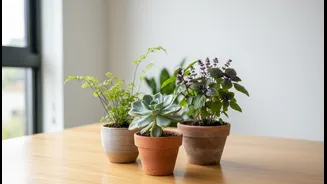
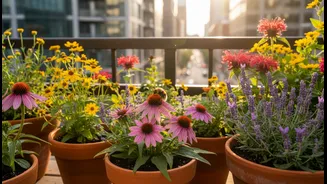
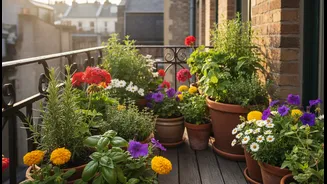
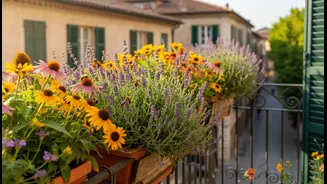
The most common mistake new gardeners make is trying to do too much, too fast. An oversized garden can quickly become overwhelming, turning a joyful hobby into a chore. Instead, begin with a manageable space. This could be a few pots on a sunny balcony,
a single raised bed, or even a window box. Container gardening is an excellent entry point because it gives you complete control over the soil and environment. The goal is to build confidence. Start with three to five plants. Once you get the hang of their needs, you can expand. Remember, your garden can grow as your skills do. Choose a location that gets at least five to six hours of sunlight per day, as this is crucial for most vegetables and flowering plants.
The Foundation: Good Soil and Proper Pots
Think of soil as the lifeblood of your garden. Using soil from your yard in pots is a common error; it's often too heavy, compacts easily, and can introduce weeds or diseases. For container gardening, always invest in a quality potting mix. This is specially formulated to be light and well-draining, which is essential for healthy roots. Ensure any container you choose has drainage holes. Without them, water will pool at the bottom, leading to root rot, one of the quickest ways to kill a plant. For beginners, simple terracotta or plastic pots are perfect. They are affordable, functional, and get the job done.
Your First Green Friends: Low-Maintenance Stars
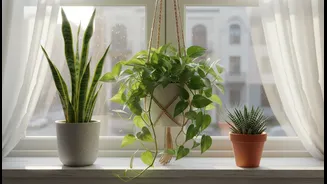
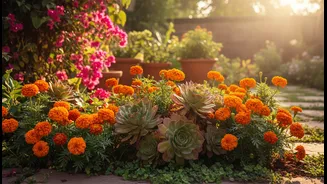
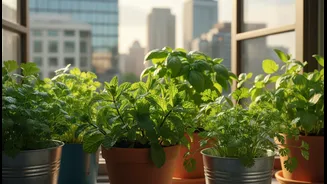
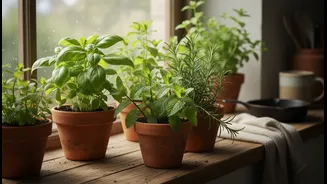
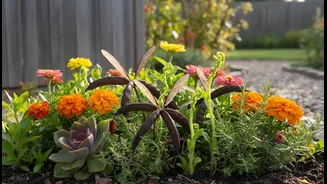
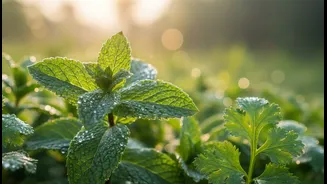
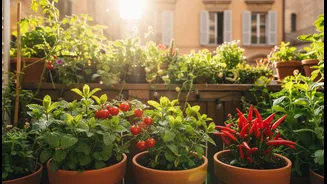
Choosing the right plants is where the fun begins. For an Indian climate, there are many resilient options that are both beautiful and useful. Herbs are fantastic starters; Mint (Pudina) is incredibly hardy, though it's best to keep it in its own pot as it spreads aggressively. Tulsi (Holy Basil), a staple in many homes, is also very low-maintenance and thrives in pots. Coriander (Dhaniya) is another quick-growing herb perfect for beginners. For flowers, Marigolds are a classic choice for a reason. They are tough, cheerful, and can even help deter some pests. If you want a vegetable, start with cherry tomatoes or chillies, which grow well in medium-sized pots on a sunny balcony. For indoor spaces or shadier spots, the Snake Plant and Money Plant (Pothos) are nearly indestructible and excellent air purifiers.
The Golden Rules: Sunlight and Water
Once your garden is planted, care is straightforward if you follow two principles. First, understand your light. A south or west-facing balcony is great for sun-lovers like tomatoes, while leafy greens and many herbs can thrive with less direct sun. Observe the light patterns in your chosen spot before you plant. Second, master watering. More beginner plants die from overwatering than underwatering. The rule of thumb is to stick your finger about an inch into the soil. If it feels dry, it's time to water. If it's damp, wait another day. Plants in containers dry out faster than those in the ground, especially during hot weather, so they need regular checks. Watering in the early morning or evening is ideal to reduce evaporation.
Feed Your Curiosity, But Gently
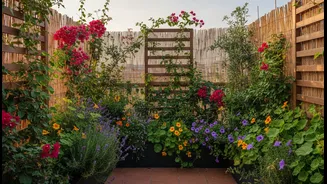
As you gain confidence, you can start to experiment. This is the 'curiosity' part of the equation. Perhaps try one slightly more challenging plant, like a dwarf lemon tree, a capsicum plant, or a flowering vine. The key is to add new challenges one at a time. This approach allows you to learn without risking your entire garden. Gardening is a journey of discovery. You'll learn what works in your specific microclimate through observation and experience. Don't be discouraged by a plant that doesn't make it; every gardener, even the experts, has losses. The goal is to enjoy the process of nurturing life and bringing a little piece of nature into your home.