




More Than Just a Recycling Number
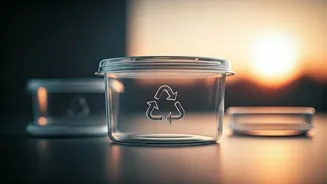
Most of us see the familiar triangle of chasing arrows on a plastic container and think of recycling. While that’s part of the story, it’s not the whole picture. That number, from 1 to 7, is a Resin Identification Code (RIC), which tells you what type
of plastic the item is made from. This code is essential for recycling facilities to sort materials correctly, but for consumers, it’s the first clue to understanding a container's properties and potential uses. Beyond the RIC, other symbols provide direct guidance on how to use the container safely, especially when it comes to food.
The Key Symbols for Food Safety
Before you even worry about the numbers, look for a simple icon: a wine glass and a fork. This is the universal symbol for food-grade material, meaning it’s certified safe for direct contact with food. If a container doesn't have this mark, it’s best to assume it’s not meant for your meals. Other critical icons include wavy lines, which indicate a container is microwave-safe, and a snowflake, which means it’s freezer-safe. A BPA-free label is also common, signaling the absence of bisphenol A, a chemical that has raised health concerns.
Decoding the Numbers: Which Plastics are Safer?
As a general guide, some plastics are considered more stable for food storage than others. Plastics with the numbers 2, 4, and 5 are generally considered safer choices for food contact. - Number 2 (HDPE - High-Density Polyethylene): A sturdy, opaque plastic used for milk jugs and butter tubs. It’s considered a very safe option for food. - Number 4 (LDPE - Low-Density Polyethylene): A more flexible plastic found in items like bread bags and squeeze bottles. - Number 5 (PP - Polypropylene): This is a star player in the kitchen. It’s heat-resistant, often used for yogurt cups and takeout containers, and is typically microwave-safe. Plastics to be more cautious with include 3, 6, and 7. Number 3 (PVC) can contain additives like phthalates, and Number 6 (PS or Polystyrene) can leach styrene when heated. Number 7 is an “other” category that can sometimes include polycarbonates containing BPA, so it’s best to be wary unless it's specifically marked as food-safe or bio-based.
The Truth About 'Microwave-Safe'
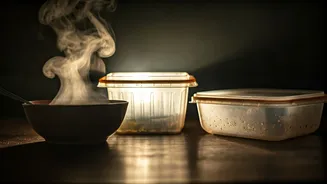
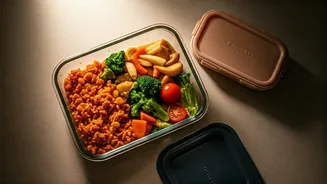
This is one of the most misunderstood labels. When a plastic container is marked “microwave-safe,” it primarily means the plastic won’t warp, melt, or break when heated. It’s a test of the container’s structural integrity, not a guarantee that no chemicals will leach into your food. Heating food, especially fatty or oily dishes, increases the chance of chemicals transferring from plastic. For this reason, many health experts advise against heating food in plastic containers at all. If you must, use only those explicitly marked as microwave-safe, preferably number 5 (PP), and avoid reheating in any container that is old, scratched, or cracked. A safer bet is to always transfer food to glass or ceramic containers before microwaving.
Best Practices for Plastic Container Use
Being mindful of plastic safety doesn't mean you need to throw out everything. It’s about using items as they were intended. For long-term food storage and reheating, glass and stainless steel are ideal alternatives. When you do use plastic, follow these simple rules. Use containers only for their designated purpose—don't reuse single-use bottles from water or soft drinks for long periods. Discard any plastic containers that are heavily scratched, cloudy, or damaged, as this can increase the risk of chemical leaching. Hand-washing plastic containers instead of using a dishwasher can often prolong their life and integrity. By making these small adjustments, you can use plastics more safely and effectively in your daily life.