







A Policy Shift Ignites a Private Boom
For decades, a career in India's space sector was almost synonymous with a job at the Indian Space Research Organisation (ISRO). Today, the landscape is virtually unrecognisable. The Indian Space Policy 2023 was a game-changer, formally opening the doors
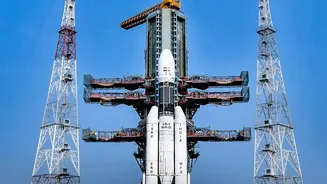
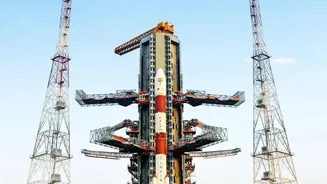
for private companies to participate in everything from satellite manufacturing to launch services. This policy created a clear framework for Non-Government Entities (NGEs) to innovate, build, and operate, turning a government monopoly into a competitive marketplace. As a result, India now hosts hundreds of space startups like Skyroot Aerospace, Agnikul Cosmos, and Pixxel. These firms are not just experimenting; they are launching rockets and deploying satellites, attracting significant investment, and, most importantly, hiring aggressively. The Indian space economy, valued at $8.4 billion in 2022, is projected to surge to $44 billion by 2033, creating a powerful engine for high-tech job growth.
The Soaring Demand for Tech Talent
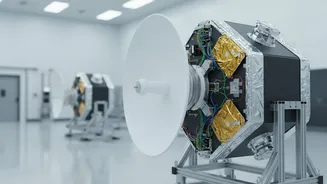
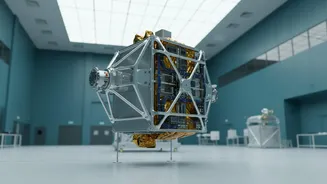
Naturally, the core of this hiring boom is in technology and engineering. The demand for aerospace, mechanical, and avionics engineers remains foundational, as companies design and build complex launch vehicles and satellites. Skyroot Aerospace, for example, which launched India's first private rocket, actively hires for roles like Lead Structural Engineer and CNC Programmer. Similarly, Agnikul Cosmos, known for its 3D-printed rocket engines, seeks experts in power electronics and mission design software. But the tech needs are much broader. Software is crucial for operating ground stations, simulating missions, and ensuring data security. Companies like Pixxel, which is building a constellation of hyperspectral imaging satellites, have openings for computer vision scientists, solutions engineers, and software product managers to analyse and deliver the vast amounts of data they collect. This has created a vibrant ecosystem for data scientists, software developers, and systems analysts, drawing talent from adjacent tech industries.
Beyond the Rocket: The Business of Space
What truly signals a maturing industry is the growing demand for non-technical professionals. As space startups move from research and development to commercial operations, they need people to run the business. Skyroot Aerospace's career page lists openings for business development associates, procurement engineers, and even chartered accountants. These roles are vital for securing contracts, managing complex supply chains for space-grade components, and handling finances. Agnikul Cosmos has positions for growth strategy and procurement associates, highlighting the need to plan for market expansion and build reliable supplier networks. There is also a growing need for legal experts, particularly those specialising in space law and international policy, to navigate the complex regulatory environment. Even human resources and administrative roles, such as the executive assistants and HR operations executives sought by Agnikul, are essential for building and managing the rapidly growing teams that are powering this revolution.
Designing the User Experience of Space
The final piece of this new job puzzle is design. As space technology becomes more integrated with commercial applications on Earth, the user experience is paramount. This isn't just about making things look good; it's about making complex systems usable. For instance, the ground control software that manages satellite constellations needs intuitive UI/UX design so that operators can make critical decisions quickly. The analytical tools that interpret satellite data for clients in agriculture or mining must present insights clearly and effectively. Even the hardware itself, from satellite components to control room consoles, requires skilled industrial designers. While these roles are still emerging, they represent the next wave of hiring as companies shift their focus from pure technology to customer-facing products and services. The need for clear branding and marketing also creates opportunities for graphic designers and communication professionals to tell the stories of these ambitious ventures.