
From Sightseeing to 'Feeling'
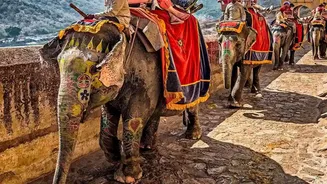
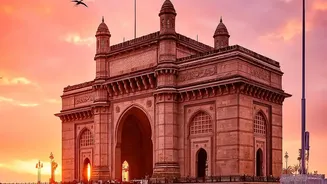
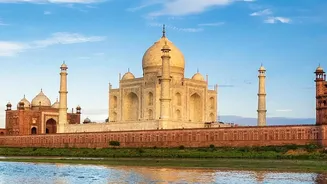
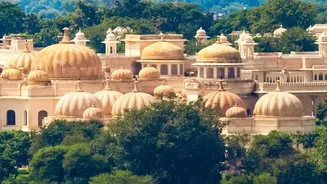
The traditional travel itinerary in India often resembled a checklist: Taj Mahal, check; Amber Fort, check; Gateway of India, check. While these landmarks remain magnificent pillars of Indian heritage, a significant shift is underway. Today’s travellers,
particularly younger domestic tourists, are no longer content with just seeing the sights. They want to feel the place. This involves a deeper connection to the local way of life, driven by a desire for authenticity over curated perfection. The experiential travel market in India is projected to reach an estimated USD 45 billion by 2027, largely propelled by travellers aged 18-35. This generation is trading structured tours for spontaneous discoveries, prioritising personal growth and meaningful memories over collecting photo-ops. The post-pandemic world has also accelerated this trend, with many people seeking slower, more conscious travel that connects them with nature and local communities.
The Rise of Agri-Tourism and Homestays
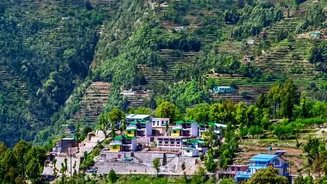
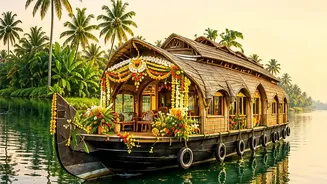
Nowhere is this shift more visible than in the boom of agri-tourism and homestays. Across states like Maharashtra, Kerala, and Sikkim, farms are transforming into destinations. City dwellers are paying to swap their urban routines for a weekend of milking buffaloes, planting paddy, or learning to cook with freshly harvested produce. This isn't just a novelty; it's a powerful economic engine for rural communities. It provides farmers with a vital secondary income stream, reducing their dependence on unpredictable crop cycles. Maharashtra, a pioneer in this space, has a dedicated agri-tourism policy and has trained thousands of farmers to become hosts. Similarly, the homestay model allows travellers to experience genuine Indian hospitality, sharing meals and stories with a local family. This format bypasses impersonal hotels in favour of lived-in cultural immersion, turning hosts into cultural ambassadors and empowering local economies directly.
What's Driving the Change?
Several factors are fuelling this evolution. A major driver is the youth demographic, especially Gen Z, who prioritise unique experiences and are more inclined to plan their trips independently, away from packaged tours. This is a generation that values stories and shareable moments, whether it's learning a traditional craft, participating in a local festival, or simply exploring a neighbourhood market. The government is also playing a crucial role. Initiatives like the Ministry of Tourism's 'Travel for LiFE' program encourage sustainable and responsible tourism, urging travellers to empower local communities, respect heritage, and reduce their environmental footprint. This national push, combined with state-level policies supporting rural and community-led tourism, is creating a structured framework for this organic trend to grow. Technology has also been a great enabler, with digital platforms and social media making it easier than ever for travellers to discover and book these niche experiences directly from local providers.
More Than a Trend, a Sustainable Future
This move towards experiential travel is more than a fleeting trend; it represents a more sustainable and equitable model for the future of tourism in India. By decentralising tourism away from already overburdened hotspots, it helps distribute economic benefits to lesser-known regions and rural areas. It fosters a sense of pride and confidence within local communities, validating their traditions and way of life. However, challenges remain. Issues like inadequate infrastructure in remote areas, ensuring safety and quality standards, and preventing the commercialisation of culture require careful management. For this new phase to succeed, growth must be balanced with preservation, ensuring that the very authenticity travellers seek is not diluted. Success will depend on responsible practices from both hosts and visitors, who must act as respectful guests in someone else's home and culture.