




The Great Space Debate: Cubes vs. Compression
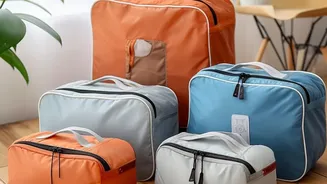
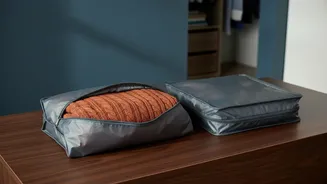
For years, savvy travellers have sworn by packing cubes, the zippered fabric containers that neatly compartmentalise clothing and gear. Their primary function is organisation. You can separate shirts from socks, clean clothes from dirty laundry, and easily
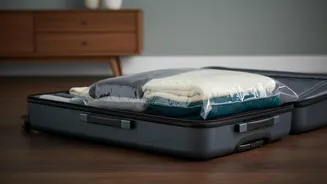
find what you need without a full-blown suitcase explosion. They offer a modest amount of compression, tidying up loose piles into dense, manageable blocks. Enter the air extraction bag, also known as a vacuum or compression bag. These are heavy-duty plastic bags with a one-way valve. You place your clothes inside, seal the bag, and then either roll the air out or use a small hand pump (or a vacuum cleaner at home) to suck out every last bit of trapped air. The result is a rock-hard, shrink-wrapped slab of clothing that takes up significantly less volume. While cubes organise, extraction bags are single-mindedly focused on one thing: compression.
The Volume Showdown: A Clear Winner Emerges
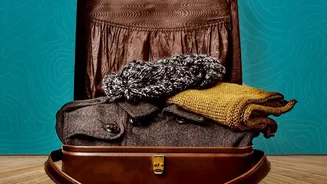
The headline's claim of doubling your space isn't just hyperbole; in the right circumstances, it's entirely possible. Air extraction bags can reduce the volume of soft, bulky items by up to 80 percent. Think about puffer jackets, heavy woollen sweaters, or a fleece collection for a mountain holiday. These items are mostly air. By removing that air, you can shrink a massive pile of winter wear into a package half its original size or even smaller. For a traveller trying to fit a week's worth of bulky clothing into a carry-on, this level of compression is a game-changer. Packing cubes simply cannot compete on this front; they contain and organise, but they don’t eliminate the air that makes these items so space-hungry.
The Hidden Costs of Extreme Compression
Before you throw out your packing cubes, it’s crucial to understand the trade-offs. The biggest drawback to air extraction bags is wrinkles. When you forcibly compress fabric, you create deep-set creases that can be difficult to remove without a steam iron. Rolling clothes before placing them in the bag can help, but for wrinkle-prone fabrics like linen or crisp cotton shirts, the results can be frustrating. There's also a significant risk of overpacking. Because your clothes take up so much less space, it's tempting to keep adding more. However, compression bags don’t reduce weight. You can easily pack a carry-on that looks half-empty but is well over the airline’s weight limit, leading to costly surprises at the check-in counter. Lastly, they are less convenient for mid-trip access; to get one item, you often have to unseal and reinflate the entire bag, then find a way to get the air out again.
Organisation vs. Obliteration
Here is where packing cubes shine. They provide unparalleled organisation. You can have a cube for tops, a cube for bottoms, and another for underwear. This system allows you to locate items quickly and keep your suitcase tidy throughout your trip. They are perfect for business travellers who need to keep dress shirts neat or anyone who values order and accessibility. Air extraction bags, in contrast, create a single, dense brick of clothes. It’s impossible to tell what’s inside without opening it, and retrieving a single t-shirt from the middle is a major undertaking. This makes them less ideal for trips where you are moving around frequently and need easy access to different outfits. Their strength lies in packing for a single destination where you can unpack everything upon arrival.
The Ultimate Solution: A Hybrid Packing Strategy
Ultimately, you don't have to choose. The most expert packers often use a hybrid approach, leveraging the strengths of both tools. Use air extraction bags for your bulkiest, non-wrinkle-prone items—think ski jackets, spare sweaters, and soft trousers. This will create the bulk of your space savings. Then, use packing cubes for your everyday essentials and more delicate items like shirts, dresses, and underwear. This keeps them organised, accessible, and relatively wrinkle-free. By combining the two, you get the massive space reduction from compression bags for the items that need it most, alongside the organisation and clothing care offered by packing cubes. It's a strategy that offers the best of both worlds, ensuring you can fit everything you need without sacrificing convenience or arriving with a suitcase full of wrinkles.