
Gear Up Before You Go
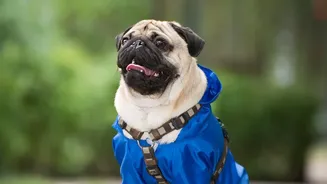
A little preparation makes rainy walks much more manageable. A lightweight, waterproof raincoat can keep your dog's core dry, which is crucial for preventing them from getting chilled and for minimising the post-walk cleanup. For long-haired breeds, a coat is especially
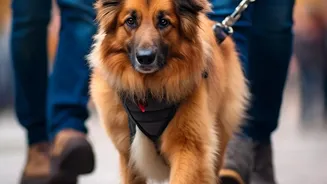
helpful in preventing matted fur. While not all dogs will tolerate them, waterproof booties can protect paws from sharp debris hidden in puddles and from contaminants on wet streets. If your dog rejects boots, a protective paw balm or wax can create a water-repellent barrier. Finally, opt for a waterproof collar and leash that won’t get waterlogged and smelly. Reflective gear is also a smart choice for maintaining visibility on grey, overcast days.
Adopt Smarter Walking Habits
Timing and location are everything during the monsoon. Try to time walks during lighter drizzles rather than heavy downpours. It is also wise to keep walks shorter than usual; you can compensate with multiple short trips instead of one long one. This minimises their exposure to the wet and cold. When you're out, steer clear of stagnant puddles and water-logged areas. These are breeding grounds for harmful bacteria like leptospirosis, as well as parasites. Sticking to familiar, well-drained paths is the safest bet. Avoid grassy areas where ticks and fleas, which see a population boom in the monsoon, are likely waiting.
The All-Important Post-Walk Cleanup
What you do the moment you step back inside is the most critical part of monsoon pet care. Have a designated 'drying station' by the door with towels ready. The single most important habit is to thoroughly clean and dry your dog's paws after every single walk. Use lukewarm water and a soft cloth or pet-safe wipes to clean away all mud and grime, paying close attention to the spaces between their toes where moisture and fungi love to hide. After cleaning, dry their paws, underbelly, and any skin folds completely. Trapped moisture is the primary cause of the most common monsoon skin issues. For long-haired dogs, a quick blast with a hairdryer on a cool, low setting can be very effective if they tolerate it.
Why This Routine Is Non-Negotiable
Skipping these steps can lead to a host of painful and persistent health problems. The constant dampness during the monsoon makes dogs highly susceptible to fungal and bacterial skin infections, including painful 'hot spots' (acute moist dermatitis) that can appear and spread rapidly on wet fur. Paws that remain damp are prime targets for yeast infections, which cause incessant licking and discomfort. Furthermore, mud and debris lodged between paw pads can cause irritation and cuts, which can then become infected. The high humidity and wet environment also lead to a surge in ticks, fleas, and water-borne diseases, making post-walk checks a vital part of your defence.
Beyond the Walk: A Dry and Healthy Home
Monsoon care continues indoors. Ensure your pet’s bedding is always clean and, most importantly, completely dry. Damp bedding can contribute to skin issues and discomfort. Regular grooming, including brushing to prevent matting and trimming the fur around the paws, helps improve air circulation and allows the skin to dry faster. It is also crucial to provide fresh, clean drinking water at all times and prevent your pet from drinking rainwater or from puddles. Lastly, the damp air can be tough on senior dogs or those with joint issues, so providing a warm, dry spot for them to rest is essential.