



The Problem with Traditional Sunscreen
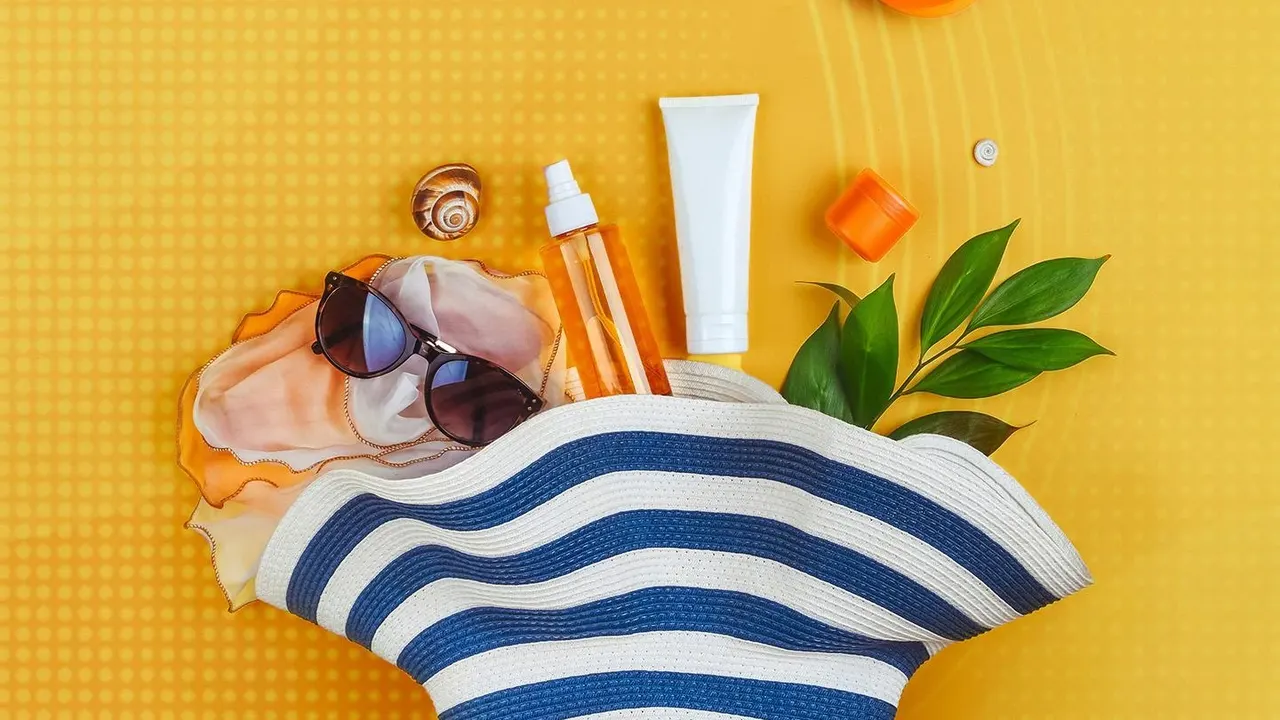
Remember the classic beach bag sunscreen? It was often a thick, oily lotion that was difficult to rub in, left a noticeable white or purplish layer on the skin, and felt heavy, especially in the heat and humidity common across India. For many, this unpleasant
sensory experience was a major barrier to regular use. Dermatologists have long preached the importance of daily sun protection to prevent skin cancer and premature ageing, but the cosmetic inconvenience of old-school formulas meant that for most people, sunscreen was reserved only for holidays and ignored the other 350 days of the year. This created a significant gap between what experts recommended and what users were willing to do daily.
The Rise of 'Cosmetic Elegance'
The beauty industry took note. The biggest shift in sun care is the focus on 'cosmetic elegance'—creating products that people genuinely want to wear. Thanks to major advancements in cosmetic chemistry, the heavy, pore-clogging feel is no longer a given. New formulations have been developed that are incredibly lightweight, fast-absorbing, and leave no greasy residue or white cast. The introduction of new-generation UV filters, such as bemotrizinol, which has been used in Europe and Asia for years and was recently approved for use in the U.S., allows for formulas that are both highly effective and feel beautiful on the skin. These modern filters are often more stable and less irritating, broadening the appeal for those with sensitive skin.
The 'Skinification' of Sun Protection
Sunscreen is no longer just a shield; it's now a key part of a holistic skincare routine. This trend, often called the 'skinification' of sun care, involves integrating sun protection into products that also offer other skin benefits. We're now seeing a boom in SPF-infused serums, moisturisers, and even makeup primers. These multi-tasking products streamline morning routines by combining hydration, antioxidant protection, and broad-spectrum SPF in a single step. Ingredients like hyaluronic acid for hydration, niacinamide for oil control, and vitamin C for brightness are now commonly found alongside UV filters, turning a protective product into a treatment.
New Textures for Every Preference
The one-size-fits-all cream has been replaced by a diverse range of textures designed for different skin types and preferences. Gel-based sunscreens have become particularly popular for those with oily or acne-prone skin, as they offer a matte finish and non-comedogenic properties, meaning they won't clog pores. Serum sunscreens provide a featherlight, hydrating option that feels virtually weightless and works well under makeup. We also have innovative formats like SPF mists for easy reapplication over makeup and tinted formulas that offer sheer coverage, blurring the line between skincare, sun care, and cosmetics. This variety makes it easier than ever for consumers to find a product they love and will use consistently.
What Consumers Want Now
Today's savvy consumer is more educated about skincare than ever before. They are scrutinising ingredient lists and demanding products that are not only effective but also align with their personal health and environmental values. There is a growing demand for broad-spectrum protection, which guards against both UVB (burning) and UVA (ageing) rays. Terms like 'non-comedogenic' and 'fragrance-free' are actively sought out by those looking to avoid breakouts and irritation. This shift has pushed brands to be more transparent and to innovate beyond basic sun protection, creating formulas that are a pleasure to use every single day.