

Venus: The Hostile Twin
In our solar system, no planet is more like Earth in size, mass, and composition than Venus. Yet, it could not be more different. While Earth teems with life, Venus is a scorching, uninhabitable world, a cautionary tale of a planet gone wrong. Its surface
temperature is hot enough to melt lead, and the atmospheric pressure is over 90 times that of Earth's at sea level. This hellish landscape is shrouded by a thick, opaque blanket of clouds made primarily of carbon dioxide with droplets of corrosive sulphuric acid. These clouds are so dense they permanently hide the surface from view, creating a runaway greenhouse effect. For decades, scientists have wondered what happened to Earth's twin and what lessons its climate catastrophe could teach us about our own planet.
The Core Objective: Unveiling Cloud Secrets
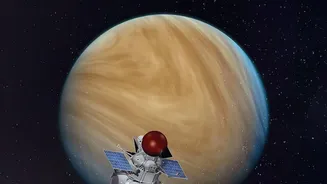
The primary goal of ISRO's Shukrayaan mission is to perform a comprehensive study of Venus, from its surface to its interaction with the solar wind. A major focus is the atmosphere itself. The mission aims to investigate the composition, dynamics, and chemistry of these toxic clouds. Scientists are particularly interested in understanding the mysterious super-rotation of the Venusian atmosphere, where the clouds whip around the planet in just four Earth days, much faster than the planet's slow rotation of 243 days. By studying the chemical processes at play, ISRO hopes to piece together the puzzle of Venus's evolution and its extreme climate. The mission follows a global resurgence of interest in Venus, with multiple agencies planning to visit our planetary neighbour.
A Sophisticated Scientific Toolkit
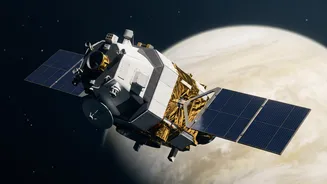
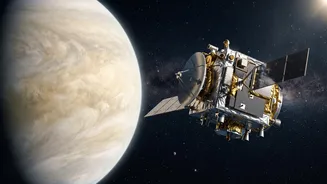
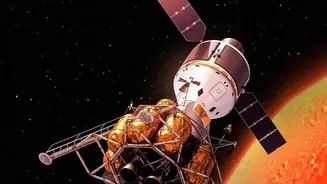
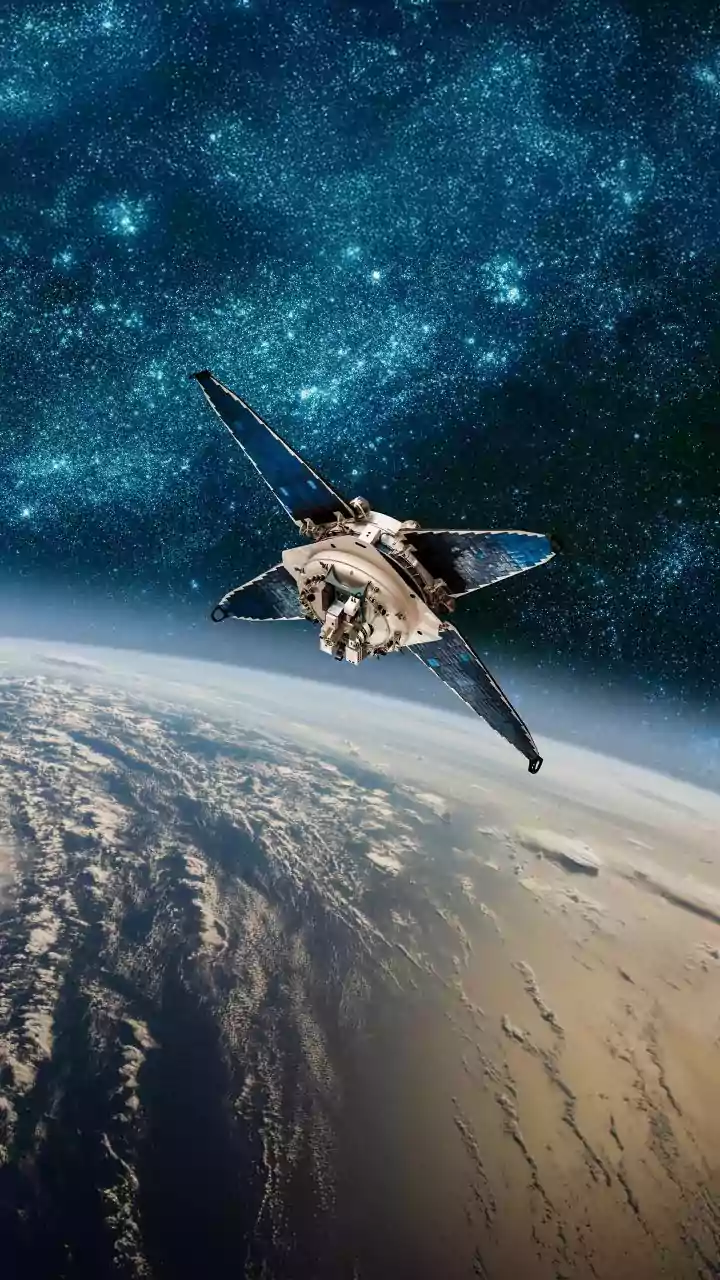
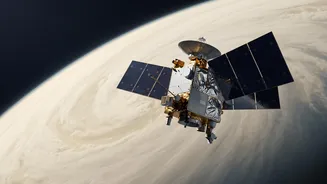
To achieve its ambitious goals, the Shukrayaan orbiter will be equipped with a suite of approximately 19 scientific instruments, or payloads. For peering beneath the clouds, a high-resolution Synthetic Aperture Radar (SAR) will map the planet's volcanic surface in great detail. The mission will also feature a ground-penetrating radar, a world-first for Venus, to study its sub-surface geology. Several instruments are dedicated to atmospheric analysis. These include a thermal camera for studying cloud dynamics and a lightning sensor. A key international collaboration includes the VIRAL instrument, developed with Russia and France, which will analyse atmospheric gases and could investigate the much-debated 2020 detection of phosphine, a gas that can be a potential indicator of life.
International Collaboration and National Pride
Following the monumental successes of Chandrayaan (Moon) and Mangalyaan (Mars), Shukrayaan marks India’s next great leap in interplanetary exploration. The mission, formally approved in September 2024 with a budget of around ₹1,236 crore, showcases ISRO's ability to conduct high-impact science with remarkable cost-effectiveness. The project also highlights India's growing role as a trusted partner in deep-space exploration. Sweden is contributing a key instrument, the Venusian Neutrals Analyzer (VNA), to study the interaction between the solar wind and the planet's atmosphere as part of the VISWAS payload. Germany is also collaborating on an experiment. These partnerships position the Shukrayaan mission as a truly global scientific endeavour led by India.
The Road to Launch and Beyond
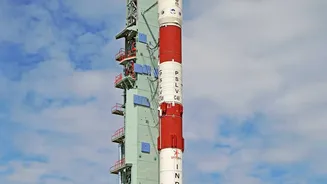
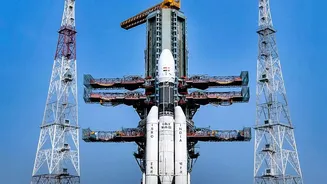
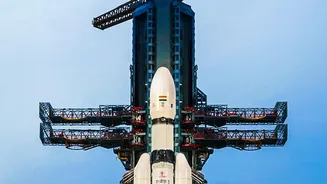
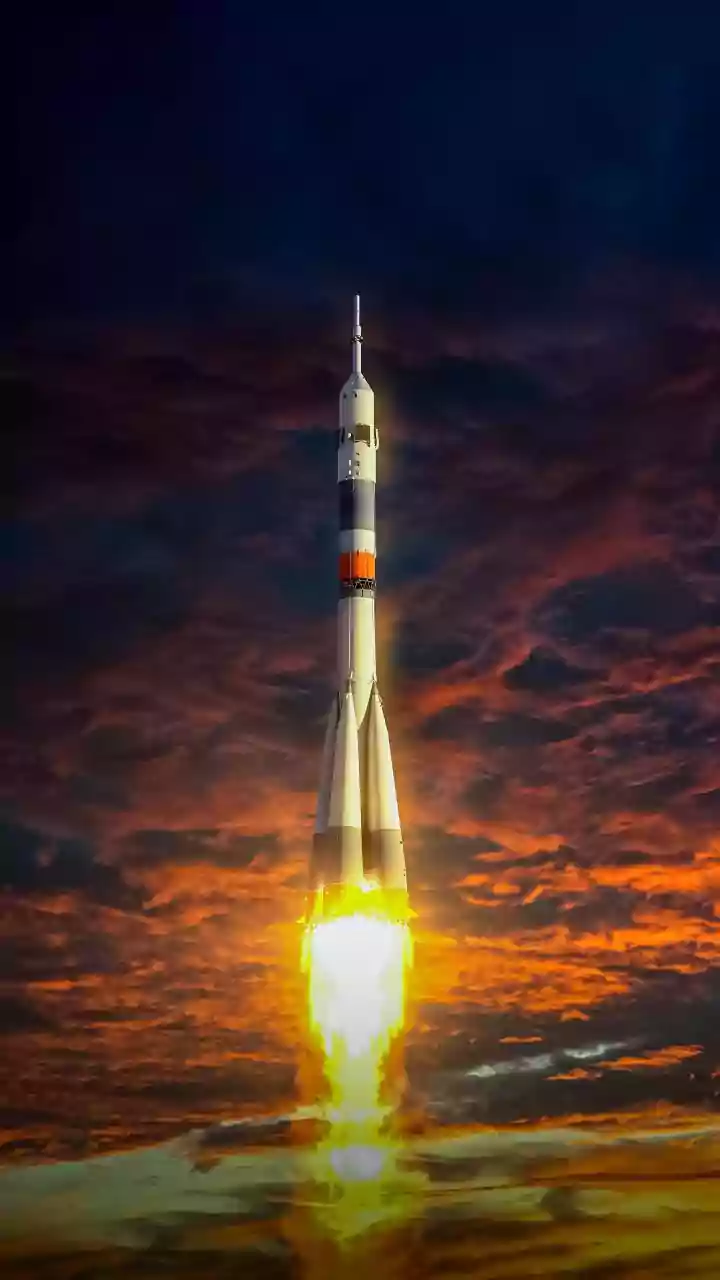
The Shukrayaan mission is currently scheduled for launch in March 2028 aboard ISRO's powerful LVM-3 rocket. After a journey of about 112 days, the spacecraft will enter a highly elliptical orbit around Venus, ranging from 500 km at its closest approach to 60,000 km at its farthest. From this vantage point, the orbiter will spend years collecting invaluable data. The mission will also serve as a crucial technology demonstrator, with ISRO planning to use aerobraking—using the friction of the planet's upper atmosphere to adjust its orbit—for the first time. The findings from Shukrayaan are expected to provide profound insights into planetary evolution, climate change models, and the conditions that make a planet habitable, or not.