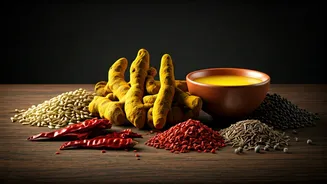




The Golden Healer: Turmeric (Haldi)
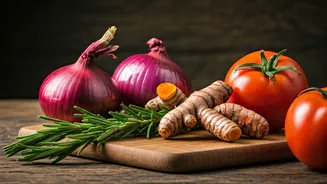
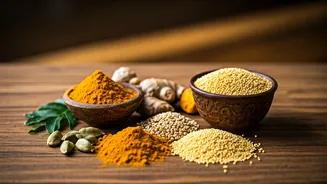
For generations, a glass of warm ‘haldi doodh’ has been the default Indian remedy for coughs, colds, and sleepless nights. A pinch of turmeric in every dal and sabzi isn’t just for colour; it’s a daily dose of wellness. Now, the world has caught on. Cafes
from London to Los Angeles sell expensive ‘golden lattes’ and ‘turmeric shots’ to health-conscious consumers. The magic lies in curcumin, a compound in turmeric with potent anti-inflammatory and antioxidant properties. Scientific studies have explored its potential in managing chronic conditions, boosting brain function, and fighting cellular damage. What was once simple home-remedy wisdom is now backed by science, turning our everyday haldi into a global wellness superstar.
Liquid Gold: Clarified Butter (Ghee)
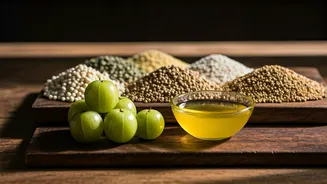
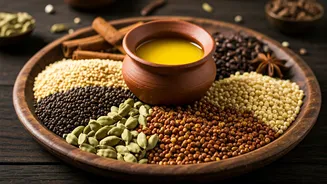
For a few decades, ghee was unfairly villainised, associated with outdated dietary advice against fat. But ask any dadi, and she’ll tell you a dollop of ghee on your roti is a source of strength. Today, nutrition science is catching up with traditional Ayurvedic wisdom. Ghee is a powerhouse of fat-soluble vitamins like A, E, and K2, and a rich source of butyric acid, a short-chain fatty acid that supports gut health. Its high smoke point makes it excellent for cooking without breaking down into harmful free radicals. It’s no wonder that ghee has found a prime spot in Western wellness circles, especially among followers of Paleo and Keto diets, who celebrate it as a pure, healthy fat.
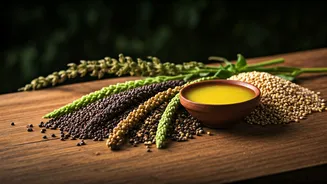
The Ancient Grains: Millets
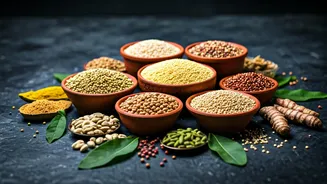
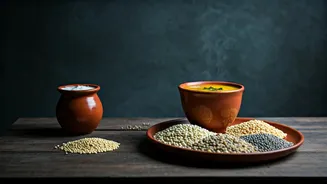
Not long ago, millets like jowar, bajra, and ragi were dismissed as coarse, rural grains. But these ancient crops are making a spectacular comeback. Recognised by the United Nations, which declared 2023 the International Year of Millets, these grains are being celebrated for their incredible resilience and nutritional profile. They are naturally gluten-free, making them a boon for those with celiac disease or gluten sensitivity. They are also packed with fibre, protein, and essential minerals. Environmentally, millets are a farmer’s friend, requiring less water and thriving in arid conditions. Once a humble staple, millets are now a symbol of smart, sustainable eating, appearing in everything from breakfast porridges to artisan bread.
The Vitamin C Bomb: Amla (Indian Gooseberry)
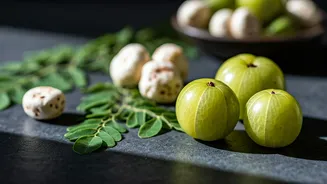
Anyone who has braved the sour-astringent punch of a raw amla knows it’s a unique fruit. Traditionally consumed as pickles (achar), sweet preserves (murabba), or as a key ingredient in the Ayurvedic tonic Chyawanprash, amla is one of the most potent natural sources of Vitamin C on the planet. It’s estimated to have about 20 times the Vitamin C of an orange. This antioxidant powerhouse helps boost immunity, fight oxidative stress, and is fantastic for skin and hair health. The global wellness industry has taken note, and amla is now sold as expensive powders, juices, and capsules, marketed as an ‘Indian superfruit’ for its immense health benefits.
The Miracle Tree: Moringa (Drumstick)
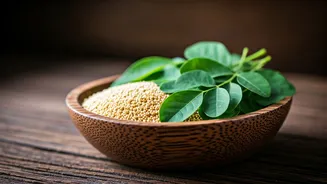
While the drumstick vegetable is a beloved component of sambar and other South Indian dishes, the true nutritional hero is the moringa leaf. Often grown in backyards across India, the leaves of the moringa tree are packed with an astonishing amount of nutrients. They are rich in protein, vitamins A, B6, and C, iron, and magnesium. It’s a complete plant-based protein with all nine essential amino acids. In the West, moringa is dried and sold as a green powder that costs a premium. It’s added to smoothies, energy bars, and supplements, hailed for its ability to reduce inflammation and provide a natural energy boost. The 'miracle tree' has truly gone global.