





Why Native Plants Are Key
Walk into any nursery, and you'll find a host of beautiful, exotic plants. While they may look attractive, they are often ecological deserts for local wildlife. Our native birds, insects, and butterflies have co-evolved over thousands of years with native Indian
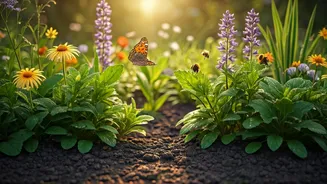
plants. They rely on these specific plants for the right kind of nectar, fruits, seeds, and—most importantly—insects. Foreign ornamental plants simply don't provide the same nutritional value or habitat. For instance, many bird species, especially during breeding season, need a high-protein diet of caterpillars and other insects to feed their young. These insects, in turn, often only feed on specific native host plants. By planting non-natives, we inadvertently break this crucial link in the food web, leaving birds with nothing to feed their chicks.
More Than Just a Bird Feeder
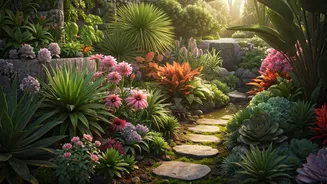
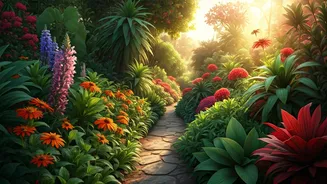
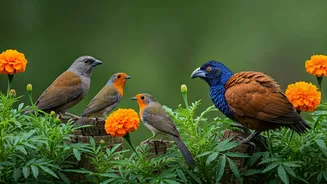
Creating a bird-friendly garden is about building a complete ecosystem, not just setting up a feeder. Native plants provide a multi-layered service that processed birdseed cannot match. They offer nutrient-rich nectar for sunbirds and flowerpeckers, berries and fruits for bulbuls and barbets, and seeds for sparrows and munias. But their function extends beyond food. The dense foliage of native shrubs provides safe cover from predators and harsh weather. Thorny bushes offer ideal, protected nesting sites. The very structure of a native plant—its branches, leaves, and bark—is a familiar and welcoming habitat that birds instinctively recognise. A garden filled with native species becomes a self-sustaining sanctuary, offering food, water (if you add a shallow dish), shelter, and a place to raise the next generation.
Plants to Start Your Bird Garden
Getting started is easier than you think. You don't need a massive lawn; even a few well-chosen pots on a balcony can make a difference. Here are a few reliable, bird-attracting native plants suitable for various Indian climates: - **Curry Leaf (Murraya koenigii):** Beyond its culinary uses, this hardy shrub produces small berries that are a favourite of bulbuls, mynas, and other common garden birds. - **Indian Coral Tree (Erythrina variegata):** Its brilliant red flowers are magnets for nectar-loving birds like sunbirds, mynas, and even crows who enjoy the sweet liquid. - **Jamun (Syzygium cumini):** If you have space for a tree, a Jamun is a powerhouse. Its fruits are devoured by everything from barbets and hornbills to parakeets and koels. - **Jasmine (Jasminum species):** Fragrant and beautiful, native jasmine varieties attract insects that, in turn, attract insect-eating birds. Some species also produce berries for bulbuls. - **Indian Lantana (Lantana camara):** While its invasive cousin is a problem, the native varieties offer clusters of flowers perfect for butterflies and tiny birds, followed by berries loved by many species.
Small Space, Big Impact
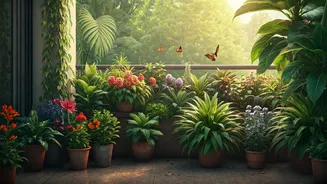
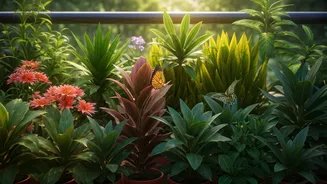
Living in an apartment doesn't exclude you from this rewarding experience. Many native species thrive in containers. Passion flower creepers (Passiflora) can be grown up a trellis, providing flowers for nectar-eaters and hosting butterfly larvae—a key food source for birds. Small shrubs like the Rangoon Creeper (Combretum indicum) or smaller varieties of hibiscus not only add beauty but also serve as a pitstop for visiting sunbirds. The key is to think vertically and choose plants that fit your space. Even a single pot of marigolds can attract insects, which might then attract a hungry tailorbird. The goal is to add a living, functioning piece to your local ecosystem, no matter how small.